

The Palm Beach High-Performance Corridor: Strategic Logistics
The arrival of the Portuguese National Team at Palm Beach International Airport signifies a sophisticated shift in the FPF’s (Portuguese Football Federation) logistical strategy for the 2026 FIFA World Cup. By establishing a base in Palm Beach Gardens, Portugal has integrated into a high-performance athletic corridor, utilizing elite infrastructure recently vacated by the English delegation. This geographical choice is not merely convenience; it is a calculated effort to minimize travel-induced physiological stress while providing an environment conducive to heat acclimation and tactical isolation.
The proximity to Miami—where Portugal will face Colombia on June 27—provides a distinct operational advantage. This ‘regional anchoring’ strategy allows the squad to maintain a consistent recovery environment between the high-altitude conditions expected in other venues and the humid subtropical climate of South Florida. The selection of this hub underscores the growing trend of top-tier national teams treating localized infrastructure as a competitive ‘force multiplier’ during prolonged tournament cycles.
The Ronaldo Paradigm: Quantitative Analysis of an Elite Veteran
Cristiano Ronaldo’s entry into a historic sixth FIFA World Cup at age 41 serves as a definitive case study in physiological maintenance and tactical evolution. Addressing concerns regarding his match-fitness, Ronaldo pointed toward his 2025-26 Saudi Pro League output as a benchmark of readiness. Data from Al-Nassr reveals a high-frequency shooting profile—28 goals from 161 attempts across 30 matches—indicating a transition into a specialized finishing role rather than a high-mobility winger.
For the Portuguese technical staff, the challenge is integrating this high-volume offensive focus into a system that requires defensive cohesion against more athletic opposition. Ronaldo’s admission that the preparation is ‘good but tiring’ hints at a deliberate periodization strategy aimed at peaking during the knockout stages. Recent friendly victories against Chile and Nigeria confirm that despite the ‘tiring’ nature of the Florida training block, the captain remains the focal point of Portugal’s attacking hierarchy.
Group K Dynamics and Regional Economic Footprint
The residency of the Portuguese delegation triggers significant institutional and economic activity in Palm Beach County. Beyond the hospitality and security demand, the presence of a global sporting brand like Portugal validates the region’s decentralized hosting model. This institutional footprint creates a localized marketing activation that will peak during the Group K finale. Strategically, the team must manage a cross-continental trek to Houston for their opener against Congo DR on June 17, making the stability of their Florida base critical for mid-tournament recovery.
The scheduling gap between the Houston opener and the Miami finale provides a 10-day window for tactical refinement and injury management. As the South Florida region prepares for other matches, such as the Saudi Arabia vs. Uruguay fixture, Portugal’s staff will benefit from real-time environmental data. Ultimately, the success of this Florida residency will be measured by the squad’s ability to translate high-intensity preparation into tactical fluidity on the world stage.
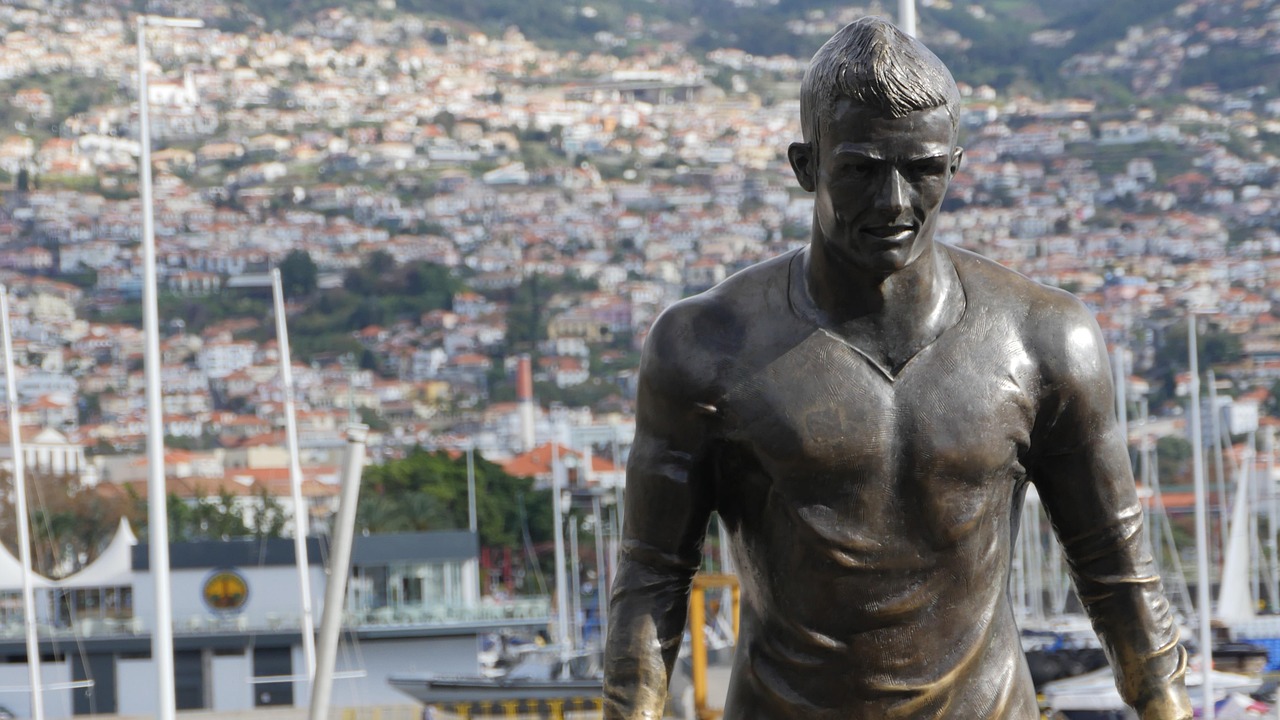
Photo by christophpeters_net on Pixabay.