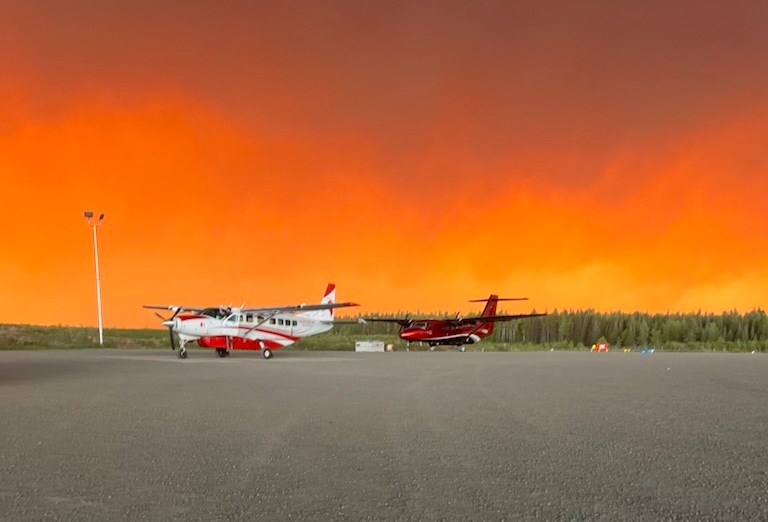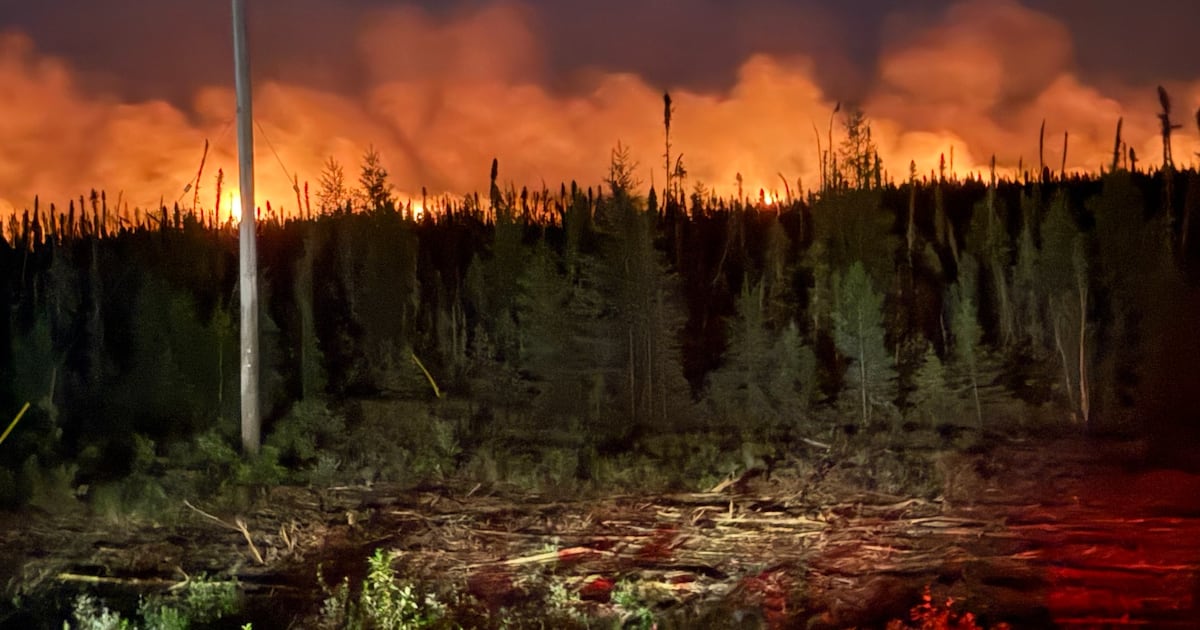
Operational Pivot: The Dryden Logistical Hub
The Ministry of Natural Resources (MNR) has executed its 2026 operational transition, designating the Northwest Regional Fire Management Centre in Dryden as the primary nexus for resource deployment. This activation is a direct response to the volatility of the 2025 season, which necessitated a systemic overhaul of early-season risk modeling. The April 1 commencement functions as an institutional trigger, shifting the province from dormant maintenance to active hazard mitigation and regulatory oversight.
Strategic readiness is currently concentrated in the Dryden and Fort Frances sectors, addressing geographic vulnerabilities identified during previous fire cycles. This proactive stance aims to eliminate the operational lag between ignition and suppression, a metric that proved critical during the 2025 containment efforts. By centralizing assets in Dryden, the MNR ensures a scalable response capability across the Northwestern region’s high-value resource corridors.
The Hydrological Transition: Deconstructing the Snowpack Fallacy
Fire management experts are warning against ‘snowpack complacency.’ Fire information officer Chris Marchand notes that while late-season snowfall persists in northern zones, variable coverage creates deceptive security. The transition from a snow-laden landscape to a high-hazard environment can occur within a narrow 72-hour window of sustained thermal increase, particularly in the boreal forest where surface fuel moisture is highly volatile.
This hydrological shift is most acute in southern sectors along the Ontario-Minnesota border, where significantly lower snowpacks accelerate the drying of fine fuels. The MNR has adopted a decentralized deployment model to address this disparity, shifting tactical units toward the border to manage the ignition potential of desiccated moss and leaf litter before the spring ‘green-up’ provides natural moisture retention.
The Fort Frances-Minnesota Corridor: Cross-Border Risk Management
The southern reaches near Fort Frances represent a critical interface of international risk. The early loss of protective snow cover in this region exposes timber assets and infrastructure to premature ignition risks. The MNR’s focus here is twofold: managing the cross-border fire spread between Ontario and Minnesota and protecting high-value industrial assets in the southern Boreal zone.
Prioritizing the Fort Frances corridor acknowledges the systemic risk posed by international land interfaces. Coordination with U.S. counterparts is integrated into the Northwest Region’s defense strategy, ensuring that suppression assets can pivot toward the border without compromising the readiness of northern stations as they eventually shed their snow cover. This phased mobilization ensures that suppression capacity remains synchronized with the receding snowline.
Regulatory Levers and Human-Caused Ignition Mitigation
A cornerstone of the 2026 strategy is the rigorous enforcement of outdoor burning regulations. These administrative tools are designed to preserve suppression capacity for natural ignition events by minimizing preventable human-caused fires. The efficacy of these rules is vital during the early weeks of April, when dead vegetation is highly susceptible to sparks from industrial activity or debris burning.
By strictly managing the human element, the MNR protects its strategic reserve of crews and equipment. This regulatory oversight is not merely a public safety measure but a critical component of the province’s broader risk management framework, ensuring that the fire load remains manageable during the window of highest environmental unpredictability.
Institutional Resilience and the Legacy of 2025
The extreme fire activity of 2025 has permanently altered Ontario’s readiness posture, leading to more granular monitoring of local fuel conditions and earlier personnel mobilization. The MNR is leveraging historical performance data to identify previous bottlenecks in resource logistics and to refine the supply chains supporting remote fire camps. This shift signifies a move toward a more data-driven, aggressive response model.
The 2026 season is viewed as a continuation of a broader trend toward environmental volatility. By integrating the lessons of 2025 into the current deployment at Dryden and Fort Frances, the MNR is building a more resilient framework capable of navigating complex suppression requirements. The success of this strategy hinges on maintaining this operational tempo as the true hazard profile of the region emerges in the coming weeks.