SpaceX Starlink’s Operational Cadence: The Strategic Advantage of Reusability and Market Saturation
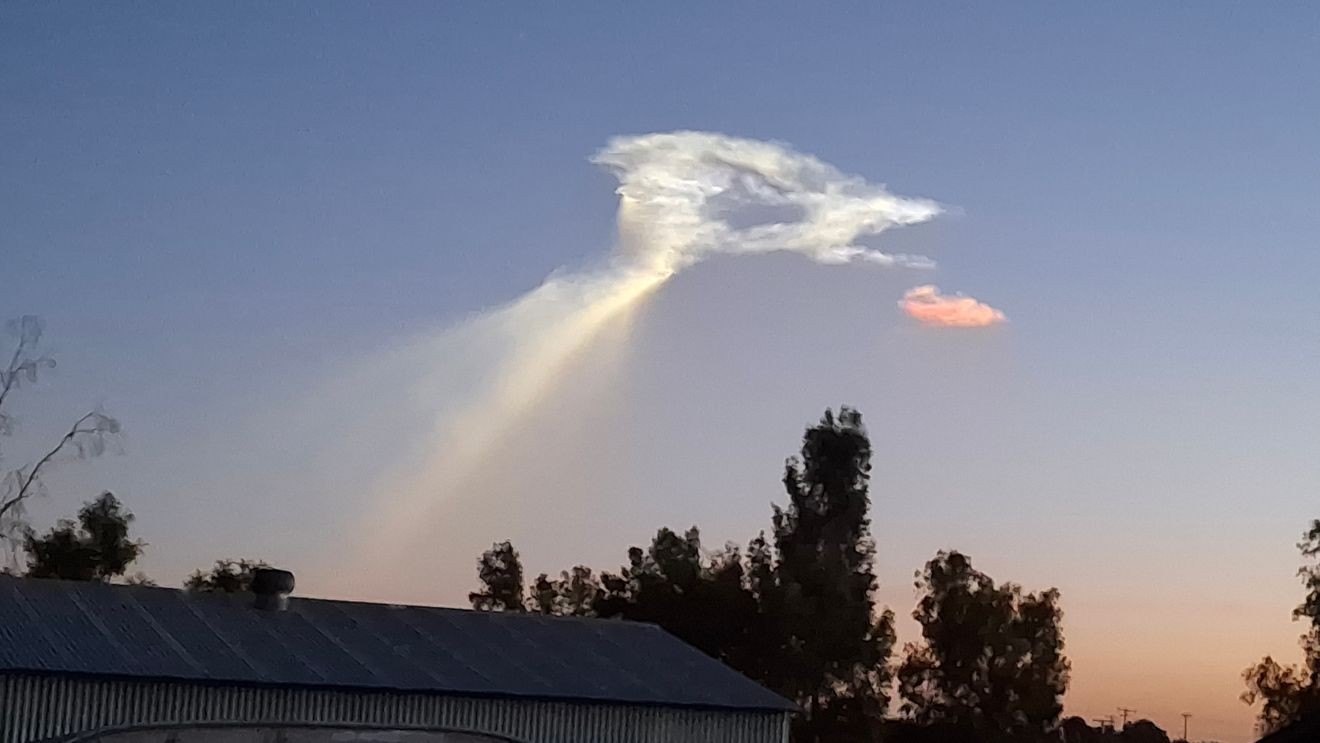
The recent SpaceX Falcon 9 launch from Vandenberg Space Force Base, carrying 25 Starlink satellites, exemplifies the unparalleled operational cadence that defines the current low-Earth orbit (LEO) satellite internet market. While the event was visually striking for observers across Central California and San Diego due to twilight conditions, its primary significance lies in the underlying commercial strategy and logistical framework enabling high-frequency deployment.
This mission, which adds to a constellation exceeding 10,000 satellites, demonstrates a critical operational tempo necessary for achieving rapid market saturation. The consistent launch schedule—approximately once per week from Vandenberg—highlights a mature and highly optimized launch infrastructure capable of supporting rapid constellation expansion. This cadence is central to Starlink’s competitive strategy, allowing it to scale its network coverage and capacity at a pace unmatched by rivals.
The Economic Foundation: Reusability and Cost Leverage
The core economic driver behind this rapid deployment schedule is the reusability of the Falcon 9 first stage. The successful return and landing of the first stage on a drone ship off the coast of Baja California, Mexico, transforms the cost structure of orbital deployment. By recovering and reusing the most expensive component of the launch vehicle, SpaceX drastically reduces the marginal cost per launch, making high-frequency missions economically viable and creating a substantial competitive barrier to entry for rival LEO constellations.
This cost leverage enables Starlink to rapidly achieve economies of scale, significantly lowering the capital expenditure required per satellite in orbit. The ability to deploy satellites in batches of 25 on a near-weekly basis accelerates market penetration in regions with limited terrestrial broadband options. This efficiency directly translates into a competitive advantage in pricing and service availability for end-users, solidifying Starlink’s dominant position.
Strategic Market Consolidation and First-Mover Advantage
With a constellation already comprising over 10,000 satellites, Starlink holds a significant first-mover advantage in the LEO market. The density of satellites in orbit directly impacts service quality by providing low latency and high data throughput, which are critical differentiators for satellite internet services. Starlink’s strategic objective is to secure market share in high-demand areas by establishing a robust network effect where service quality improves with each new satellite, further entrenching its lead.
This rapid expansion strategy aims to make it difficult for new entrants to compete effectively on price or performance, potentially leading to a near-monopoly in certain segments of the LEO market. Continuous deployment also allows Starlink to iteratively improve its technology, replacing older satellites with newer generations more efficiently. This ensures the network remains state-of-the-art, enhancing its long-term viability against future technological advancements by competitors.
Operational Logistical Complexity and Risk Management
Maintaining a high-frequency launch cadence requires sophisticated ground support and supply chain management. The consistent execution of weekly missions suggests a tightly integrated system where satellite production, launch vehicle preparation, and mission scheduling are closely coordinated. However, even with advanced planning, high-frequency operations are subject to external constraints, such as the noted delay due to “upper-level winds.”
Weather delays introduce logistical complexities that can create bottlenecks in the launch manifest and impact subsequent missions. Effective risk management requires flexibility in launch windows and robust contingency planning to maintain the weekly cadence. The precision required for high-tempo operations highlights the inherent vulnerabilities of space launches to atmospheric conditions, demanding careful assessment to ensure mission success and protect payload integrity.
The Broader Ecosystem Impact and Future Trajectory
Starlink’s continuous high-frequency deployment signals a structural transformation in the global telecommunications market, challenging traditional geostationary orbit (GEO) satellite providers with inherent latency limitations. Starlink’s low-latency, high-speed service offers a compelling alternative for both consumer and enterprise applications, creating new opportunities for connectivity in remote areas, maritime operations, and aviation.
The demand for launch services created by Starlink has driven innovation in launch vehicle technology and manufacturing processes. By demonstrating a high-volume production model for both satellites and launch vehicles, SpaceX sets a new standard for efficiency and scale in the space sector. Competitors are forced to adapt or risk falling behind in the race for orbital dominance, solidifying Starlink’s role as a primary force in shaping the future of space-space-based internet infrastructure.