Title Race Compression and Psychological Fortitude
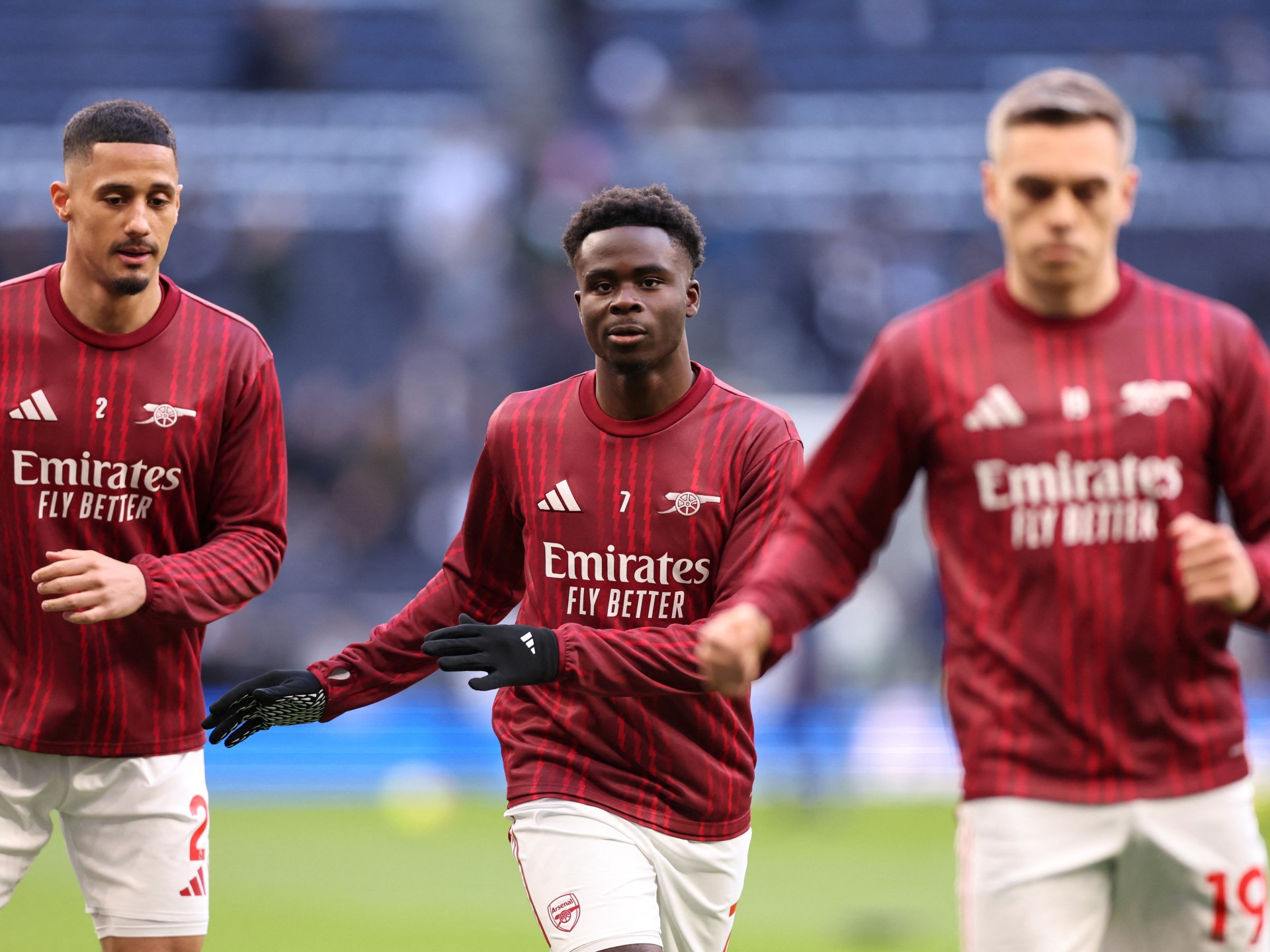
Arsenal’s recent sequence of consecutive draws has critically eroded their Premier League lead, narrowing the gap to Manchester City to a precarious two points. This North London Derby fixture transcends positional metrics; it is a direct assessment of Arsenal’s psychological robustness under acute pressure.
Sustaining momentum against a motivated, yet struggling, rival is operationally essential. While historical dominance at the Tottenham Hotspur Stadium offers statistical context, the derby environment dictates that competitive intensity supersedes prior form vectors.
Managerial Transition: Tactical Uncertainty Introduced
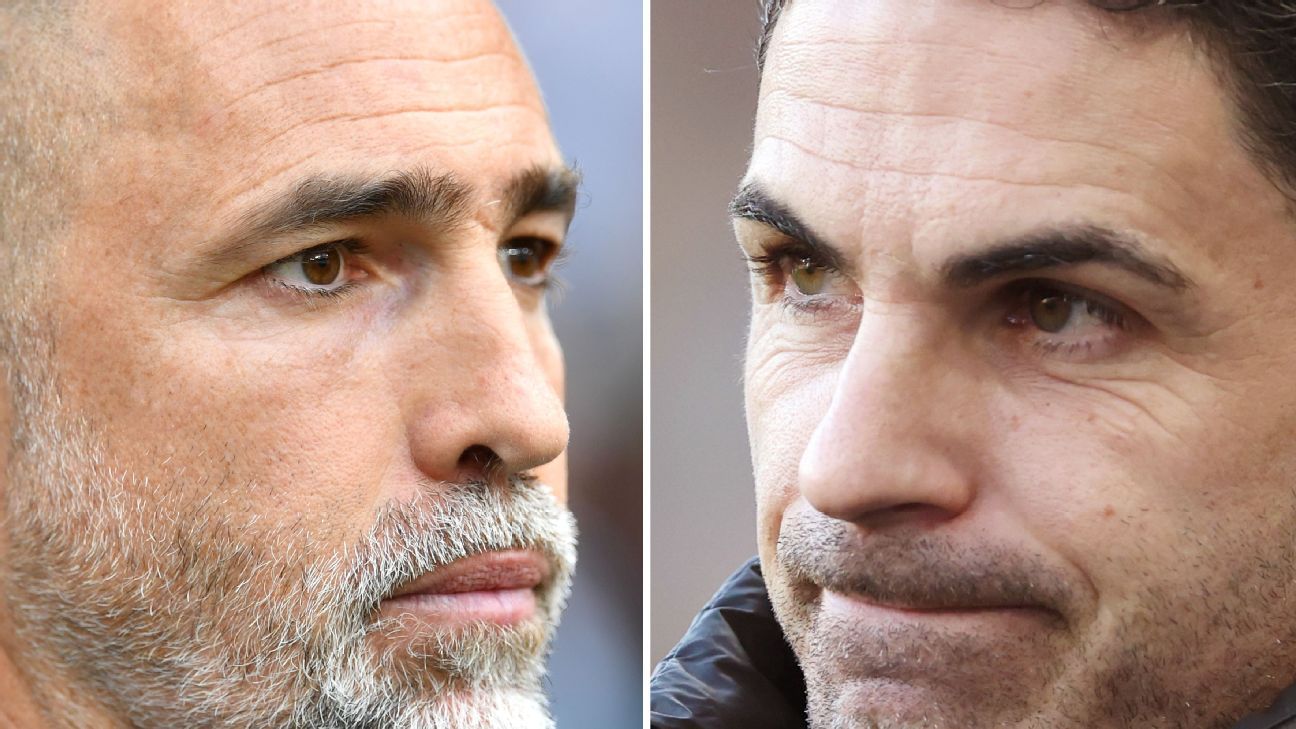
Tottenham Hotspur’s immediate structural pivot—the dismissal of the previous manager and the installation of Igor Tudor on an interim basis—injects significant tactical uncertainty into the fixture’s strategic calculus. Tudor faces immediate, high-stakes exposure, tasked with leveraging the inherent emotional uplift of the derby to derail Arsenal’s title trajectory.
Tudor’s stated adoption of an aggressive, “offensive football” strategy signals a sharp departure from prior frameworks. This mandates rapid recalibration of Arsenal’s defensive assignments against a system potentially prioritizing high-risk attacking structures, demanding superior transitional defense.
Stakeholder Sentiment and Asymmetrical Pressure Dynamics
The prevailing toxic atmosphere among the Tottenham support creates a volatile institutional backdrop. The dismissal of Thomas Frank, reportedly to reset the emotional contract, positions Tudor to capitalize on immediate fan backing, despite the dire league standing.
For Arsenal, securing three points here is mandatory for neutralizing Manchester City’s narrative momentum, reinforcing the organizational stability required to execute a title run. The asymmetry in pressure favors the underdog: Arsenal defends a fragile lead, while Spurs fight for reputational survival.
Key Personnel Decisions and Leverage Points
Tactical selection reflects immediate imperatives. Eberechi Eze’s inclusion, post-hat-trick performance, targets exploiting specific vulnerabilities within the opposition’s flux. Conversely, Martin Odegaard’s return to the bench provides Arsenal a high-leverage creative option for mid-game tactical disruption should the initial deployment stall against Tudor’s unpredictability.
Tudor’s selection of Randal Kolo Muani to lead the line suggests an emphasis on verticality and pressing structure, contrasting with Dominic Solanke’s profile as a physical impact substitute for later-stage exploitation.
Downstream League and Confidence Implications
A failure to secure victory transfers psychological advantage directly to Manchester City, forcing Arsenal into a reactive posture where every subsequent match becomes a must-win ultimatum. For Tottenham, the transition under Tudor serves as an immediate assessment of squad viability and the efficacy of recent performance review mechanisms.
This fixture juxtaposes a nervous title aspirant against a relegation-threatened side, both operating under maximal managerial scrutiny. Performance outcomes directly correlate with both club’s operational risk exposure and long-term capital valuation cycles.
The Structural Weight of Derby Context
The North London Derby is a critical barometer of institutional health. A win validates Arsenal’s strategic direction despite recent stumbles, stabilizing investor confidence ahead of summer planning. For Tottenham, a positive result provides necessary cultural ballast, potentially mitigating long-term damage from sustained low morale.
Operationalizing Aggression: Tudor’s Mandate
Tudor’s mandate is competitive disruption via emotional capital generation. His commitment to offensive football targets fan engagement but risks exposing defensive frailties. If Arsenal can bypass the high press via superior ball retention, Tudor’s aggressive posture creates high-value counter-attacking zones.
Financial Translators of League Performance
The financial stakes are severe. Arsenal’s success in securing Champions League status, tied to maintaining title contention, impacts future revenue streams. Tottenham’s proximity to relegation introduces tangible risks to broadcast revenue sharing and squad asset devaluation.
The Midfield Battleground and Control
With Odegaard potentially reserved, initial midfield control is paramount for Arsenal to dictate tempo. The holding unit must manage the transition against Tudor’s energized offense. Success hinges on maintaining possession against a team liberated from title expectations, preventing the match from devolving into chaos.