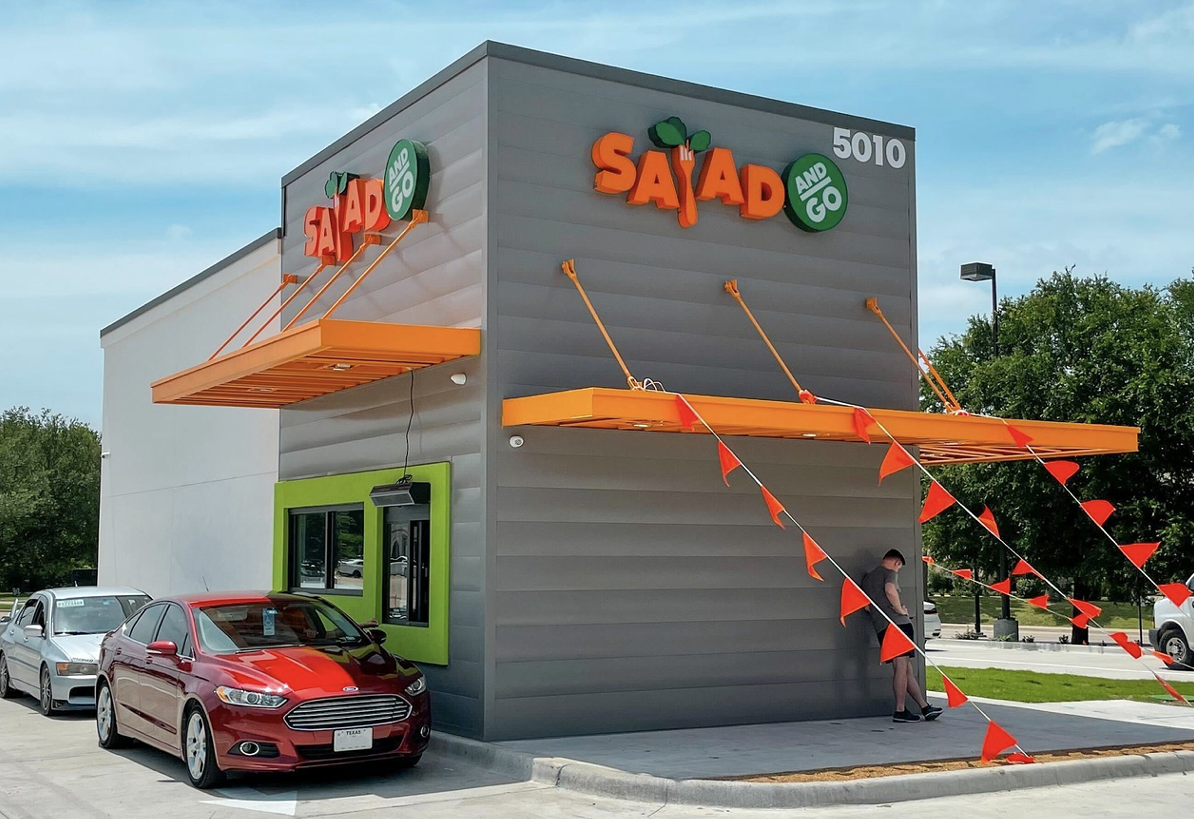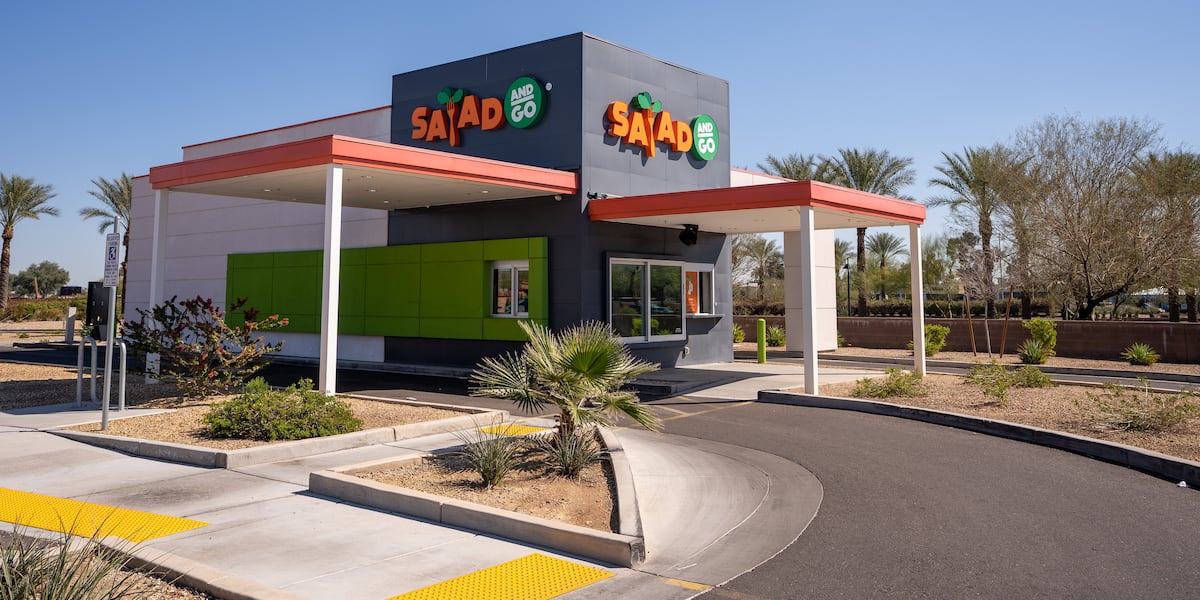
The sudden dissolution of Salad and Go represents a definitive contraction in the Southwest’s health-centric quick-service restaurant (QSR) sector. By moving directly from a Chapter 11 filing to the immediate cessation of all operations across its 70-unit footprint, the company has signaled a liquidity crisis that precluded traditional debt restructuring. This liquidation leaves a significant market vacuum in Arizona and Nevada, terminating a brand trajectory that began in 2013.
Strategic Overextension and Margin Compression
The company’s insolvency is rooted in a fundamental misalignment between aggressive capital deployment and unit-level profitability. Salad and Go’s value proposition—offering high-quality fresh produce at price points competitive with traditional fast food—depended on high-volume throughput and lean operational overhead. However, as commodity prices and labor costs escalated, this fixed-price model likely faced severe margin compression, rendering debt service obligations unsustainable.
The pursuit of a 70-location footprint appears to have prioritized market share over structural resilience. In a capital-intensive drive-thru model, rapid scaling without robust cash reserves leaves an organization vulnerable to macroeconomic shifts. When input costs for refrigerated logistics and fresh produce spiked, the brand’s inability to pass these costs to price-sensitive consumers accelerated its financial deterioration.
Systemic Risk and the Industry Confidence Crisis
A pivotal external catalyst for the collapse was the July Cyclospora outbreak. While Salad and Go was not implicated in the contamination, the event triggered a systemic ‘guilt-by-association’ effect that decimated consumer participation across the fresh-cut vegetable category. For a niche player built entirely on the safety and freshness of raw ingredients, this industry-wide confidence crisis acted as a terminal blow to revenue stability.
This contagion highlights the inherent vulnerability of specialized supply chains. The resulting decline in foot traffic occurred at a critical inflection point, likely exhausting the company’s remaining credit facilities and forcing the board to conclude that total liquidation was the only viable path to satisfy secured creditors.
Stakeholder Impact and Real Estate Implications
The 24-hour window between the bankruptcy filing and the cessation of service suggests a distressed exit strategy intended to minimize burn rate. The immediate displacement of the workforce in Phoenix, Tucson, and Nevada removes a primary employer from the regional service economy. Simultaneously, real estate partners now face the challenge of repositioning specialized drive-thru assets in a tightening commercial credit market.
Furthermore, the exit of such a high-volume purchaser disrupts regional agricultural supply chains. Local growers and distributors must now pivot to find alternative buyers for perishable inventory previously allocated to Salad and Go’s 70 locations. While competitors may capture short-term demand, the underlying pressures—inflationary overhead and fragile consumer confidence—remain a persistent threat to the remaining players in the healthy-fast-casual space.
Conclusion: A Cautionary Case Study
The Salad and Go narrative serves as a case study in the risks of scaling a low-margin, high-quality concept during an inflationary cycle. It demonstrates that even a passionate community of supporters cannot offset a broken cost structure or the volatility of industry-wide health scares. As the bankruptcy estate moves toward asset liquidation, the industry is left to question the long-term viability of the ‘health-at-scale’ model in an unforgiving economic climate.