The financial trajectory of Harrison Ford, marked by a $1 million per episode salary for the Paramount+ series 1923, serves as a definitive case study in the hyper-valuation of legacy talent within the modern streaming ecosystem. At 83, Ford’s transition from a cinematic pillar to a high-yield television asset reflects a broader strategic pivot by media conglomerates to mitigate subscriber churn through established brand equity. This valuation is a calculated investment in the reliability of a global icon to anchor expensive franchise expansions.
The Economics of Direct-to-Consumer Prestige
The $1 million per episode benchmark positions Ford within the highest tier of television compensation, reflecting a significant escalation from traditional studio pay scales. This upfront liquidity compensates for the absence of theatrical back-end participation, allowing platforms like Paramount+ to retain long-term intellectual property rights while leveraging Ford’s ability to convert high-value demographics into long-term subscribers.
Contrasting Ford’s current rate with his 1977 compensation of approximately $10,000 for Star Wars—roughly $52,000 when adjusted for inflation—illustrates the scaling of the entertainment industry over five decades. The industry has shifted from speculative talent scouting to the acquisition of proven, low-risk assets. Ford’s dual presence on Paramount+ and Apple TV+ (where he earned an Emmy nomination for Shrinking) underscores a competitive environment where platforms bid aggressively for actors capable of generating critical acclaim and high-volume engagement simultaneously.
Institutional Branding and the Netflix Pivot
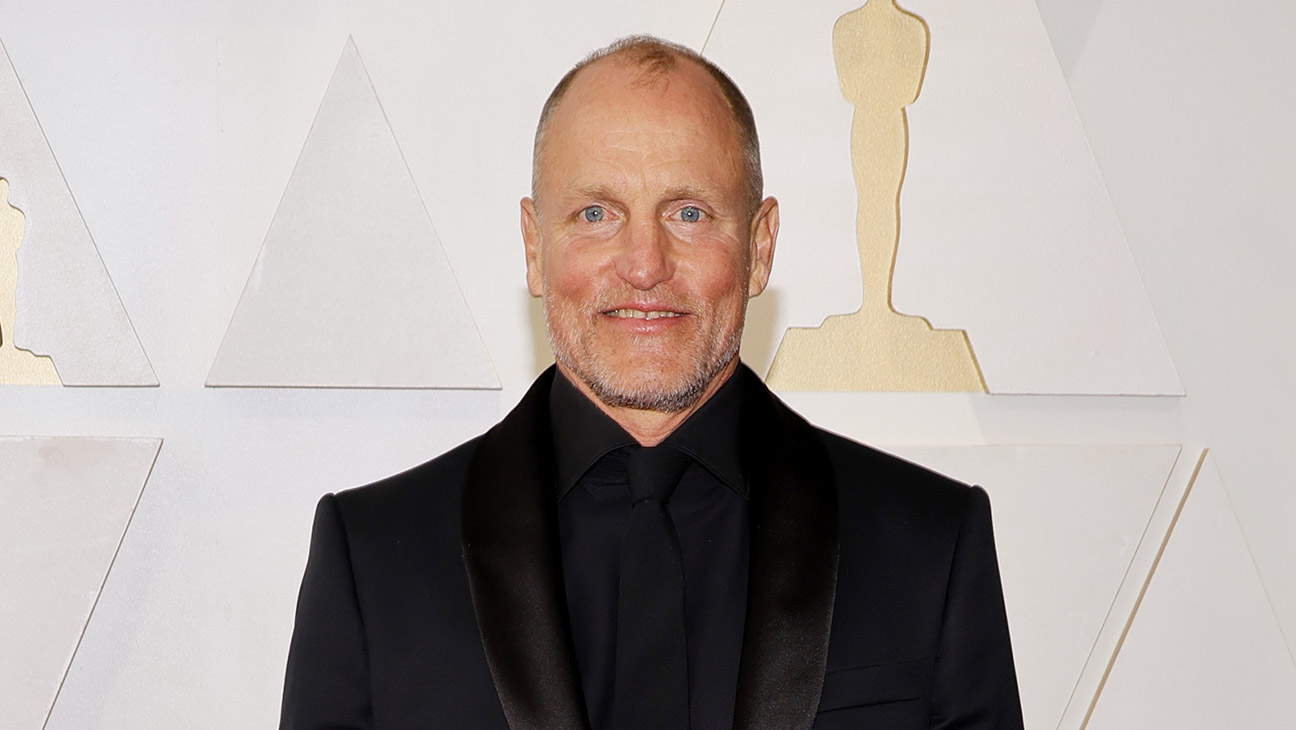
The announcement that Woody Harrelson will present the Life Achievement Award to Ford at the 32nd annual Actor Awards signals a shift in SAG-AFTRA’s institutional branding. Streaming live on Netflix from the Shrine Auditorium, the ceremony represents the guild’s final transition into a direct-to-consumer media product. This partnership allows the union to leverage its highest honors via a data-driven distribution model, moving away from the constraints of linear broadcast.
The selection of Harrelson as a presenter is a strategic nod to the interconnected nature of modern franchise ecosystems. Harrelson’s role in Solo: A Star Wars Story creates a narrative bridge between Ford’s original Han Solo and the contemporary expansion of the IP. This continuity reinforces the status of legacy actors as the central pillars around which new narratives and financial models are constructed. Presenters such as Benicio Del Toro, Christoph Waltz, and Allison Janney further solidify the event’s density of industry leverage.
Operational Impact and Career Longevity
The live-streaming model on Netflix offers real-time engagement data—viewer retention, geographic distribution, and social integration—that informs future talent acquisitions. For Ford, this high-profile recognition functions as a tool for catalog valuation; such honors typically trigger a resurgence in interest for an actor’s previous work across digital libraries, benefiting rights-holders of the Indiana Jones and Star Wars franchises.
Ford’s career, moving from a self-taught carpenter to a million-dollar episodic lead, provides a blueprint for long-term brand management. His strategic alignment with where industry capital is concentrated—episodic prestige drama—ensures relevance as theatrical windows shorten. Ultimately, the convergence of Ford’s financial success and his institutional recognition highlights a unique moment where experience and brand recognition have become the ultimate currencies in a platform-dominated era.