The Convergence of Cross-Species Oncology
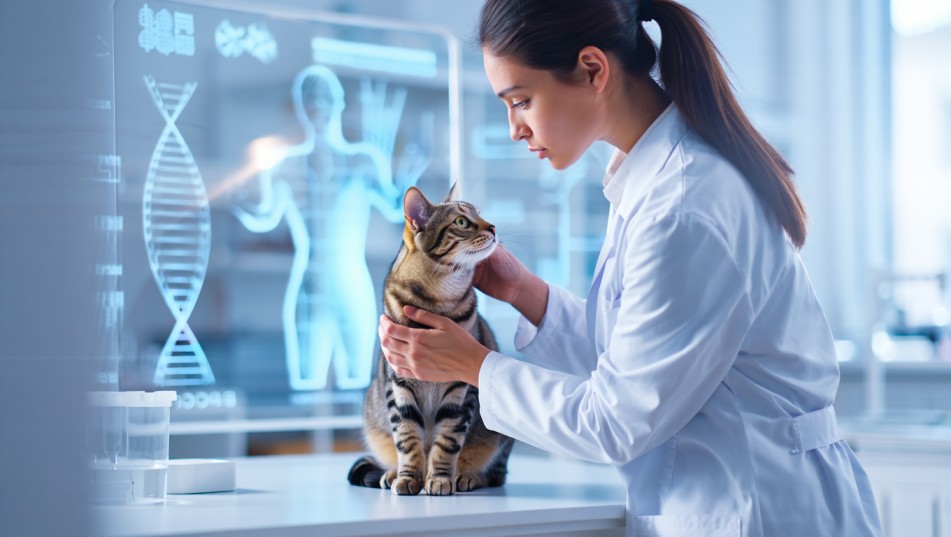
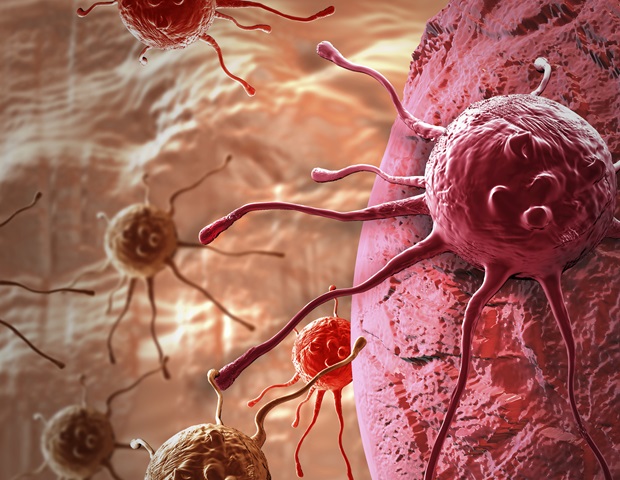
The genetic profiling of nearly 500 feline tumors, recently published in the journal Science, marks a structural shift from species-specific research to a ‘One Medicine’ framework. By identifying conserved oncogenic drivers between domestic cats and humans—particularly in aggressive mammary carcinomas—researchers at the University of Guelph have established a high-fidelity model for human disease that surpasses traditional laboratory-induced murine systems.
Spontaneous Models and Translational Fidelity
Unlike murine models, feline cancers arise spontaneously within shared human environments, reflecting the multifactorial nature of carcinogenesis, including aging and environmental triggers. This biological realism is critical for the pharmaceutical industry; it provides a platform to observe therapeutic responses in immunocompetent organisms, potentially reducing the high failure rates currently observed in Phase I and II human clinical trials. Leveraging these spontaneous models allows for more precise capital allocation in R&D by validating drug targets in a complex, non-artificial biological context.
Epigenetic Heterogeneity and Therapeutic Resistance
The research extends beyond static DNA sequences to examine DNA methylation—a key epigenetic regulator. The study highlights significant intra-tumor and inter-tumor heterogeneity, providing a structural explanation for therapeutic resistance. By mapping this methylation variability, the data reveals why uniform treatment protocols often fail. This necessitates a shift toward adaptive, multi-target therapies that can modulate the epigenetic landscape, effectively ‘reprogramming’ tumor cells to maintain treatment sensitivity.
Open-Access Data as an R&D Catalyst
The release of this feline genomic database as an open-access resource democratizes precision medicine infrastructure. By eliminating data silos, the University of Guelph has created a global benchmark for transparency. For biotechnology firms and venture capital stakeholders, this dataset serves as a force multiplier, enabling cross-species meta-analyses that can identify novel biomarkers and accelerate the development of diagnostic tools without the overhead of primary data collection.
Institutional and Regulatory Implications
The integration of feline data into human clinical workflows requires a reorganization of institutional research priorities. Regulatory bodies such as the FDA and EMA are increasingly facing a mandate to incorporate comparative oncology data into safety and efficacy assessments. This transition signals the rise of interdisciplinary centers where veterinary and human oncologists collaborate to streamline the path from bench to bedside, optimizing the medical valuation of cross-species genomic insights.