
The Strategic Leverage of Role Players: Analyzing Two-Way Contracts in NBA Playoff Rotations
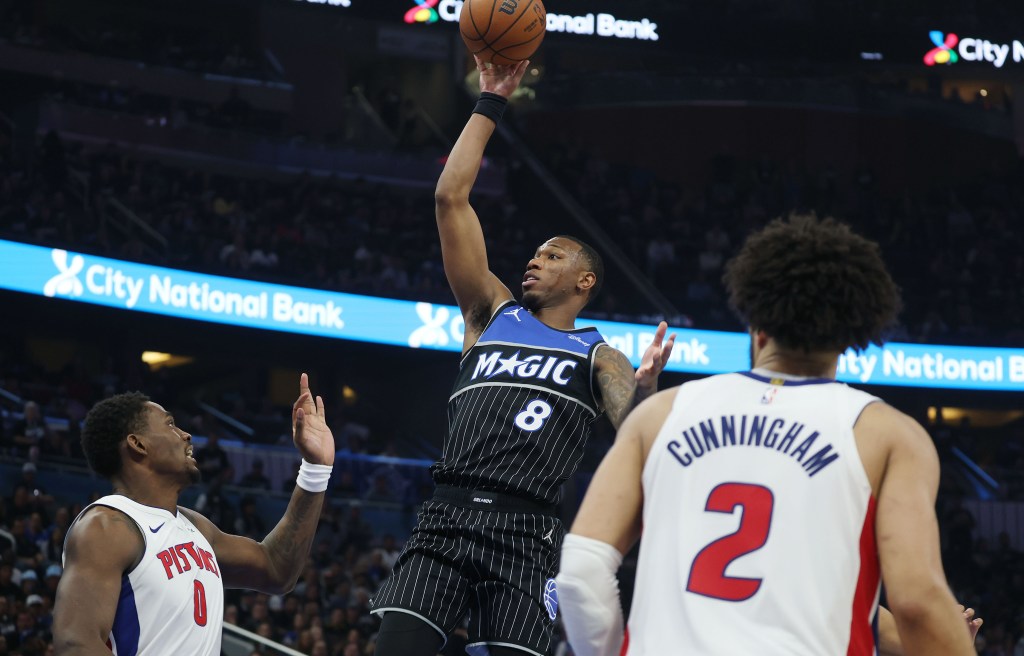
In the high-stakes environment of a best-of-seven playoff series, strategic adjustments and performance leverage are critical factors that separate contenders. While superstar players dictate game flow and generate headlines, the depth of a team’s rotation—specifically the reliable execution of minimum-contract players—often determines the outcome. The performance of Orlando Magic forward Jamal Cain in a recent series against the Detroit Pistons provides a compelling case study of this dynamic. His journey from a two-way contract to a standard NBA deal highlights the strategic significance of developing low-cost talent to achieve a critical competitive advantage when traditional roster spots and salary cap space are constrained.
The Strategic Financial Model of Two-Way Conversions
The transition from a two-way contract to a standard deal, typically converted specifically for playoff eligibility, provides significant financial leverage for organizations. The two-way contract system, designed to bridge the gap between the G League and the main roster, allows teams to cultivate potential contributors without committing to a full roster spot or significant salary cap space. By successfully developing players like Cain internally, organizations mitigate reliance on expensive free agency acquisitions for bench depth. This model maximizes roster efficiency, ensuring that high-value production is not exclusively tied to high-cost contracts. For teams operating near or above the luxury tax threshold, converting a low-cost asset like Cain provides necessary depth while minimizing escalating financial penalties, allowing greater resource allocation to high-value star players.
Tactical Versatility and Performance Leverage in Playoff Settings
In a playoff series, a role player’s value extends beyond traditional box score statistics. The modern NBA places a high premium on versatility, particularly the ability to execute the “3-and-D” archetype (three-point shooting and defensive proficiency). The source notes Cain’s performance in Game 3, where he scored seven points in 14 minutes, including a critical corner 3-pointer that extended the lead from eight to double digits late in the third quarter. This specific contribution illustrates the concept of performance leverage, where a timely play from a non-star player disproportionately impacts momentum and outcome. In high-pressure situations, such moments force opponents to adjust defensive schemes, creating valuable offensive spacing for star players.
The coach’s comments regarding Cain, emphasizing “little things,” “rebounding,” and “guarding multiple players,” highlight the specific non-statistical contributions critical to playoff success. The ability to defend multiple positions allows for greater flexibility in defensive schemes, mitigating mismatches and enabling effective switching on screens. Rebounding from non-traditional positions provides extra possessions and limits second-chance opportunities, both of which are critical factors in close playoff games. The coach’s emphasis on trust further underscores that a player’s consistent execution of these specific tasks is necessary to earn high-leverage playing time in the postseason.
Psychological Impact and Media Narrative
Beyond the tactical and statistical contributions, high-impact plays from role players carry significant psychological weight. The source highlights Cain’s “nasty poster dunk” on Jalen Duren in Game 4. While this play contributes only two points to the score, its psychological impact on both teams can be substantial. For the Magic, it serves as a momentum booster, energizing the team and the crowd. For the Pistons, it represents a psychological setback, potentially affecting morale and confidence. Furthermore, these high-impact plays shape the media narrative surrounding the series, generating attention that amplifies the player’s reputation and contributes to the overall storyline. In a playoff context, these moments become part of the competitive landscape, influencing future matchups and strategic decisions.
Photo by admomediaoffice on Pixabay.