Operational Reconfiguration: The Move to a Five-Day Cycle
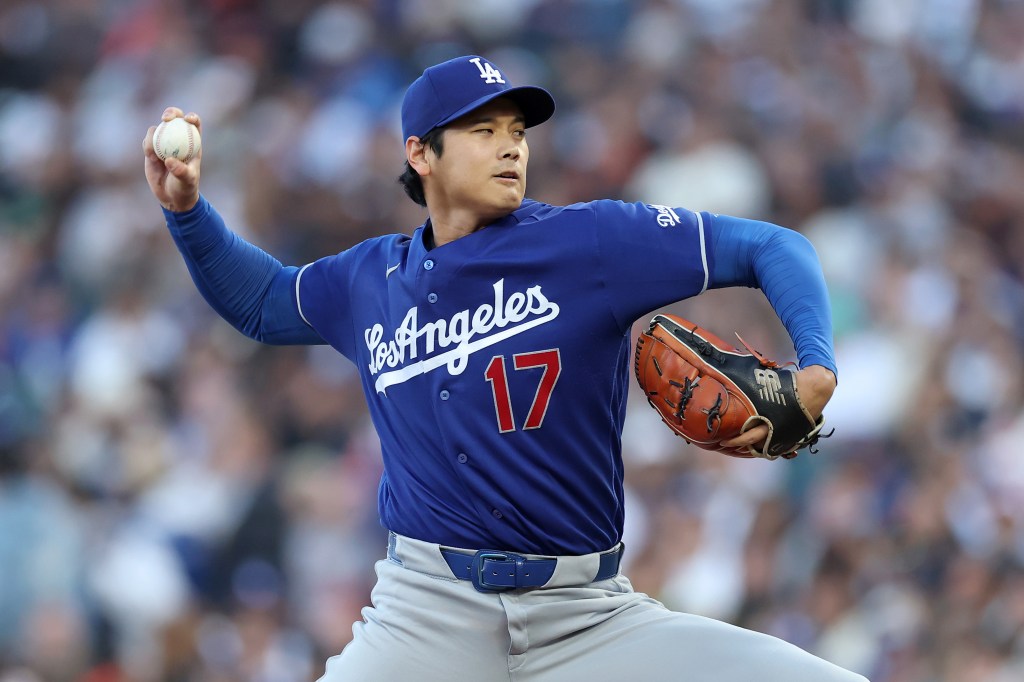
The Los Angeles Dodgers have implemented a calculated tactical shift in their starting rotation, scheduling Shohei Ohtani to start Tuesday against the Miami Marlins. This transition moves Ohtani from his customary six-day buffer to a five-day rest cycle—a frequency he has encountered only twice in his previous 18 starts this season. This operational pivot signals a departure from rigid rest protocols in favor of dynamic roster optimization.
Load Management: Prioritizing Tyler Glasnow’s Recovery
The primary catalyst for this adjustment is the preservation of Tyler Glasnow’s arm health. Following an intensive 105-pitch, eight-inning shutout in San Francisco, Glasnow has exceeded the 100-pitch threshold in three of his last four appearances. By sliding Ohtani into the Tuesday slot, Manager Dave Roberts grants Glasnow a vital sixth day of recovery, avoiding the physiological risks associated with high-volume pitching on short rest. This decision underscores an organizational philosophy that prioritizes collective durability over individual routine.
Statistical Milestones: The Pursuit of ERA Qualification
Beyond rotation integrity, the Tuesday start serves Ohtani’s pursuit of individual statistical benchmarks. Currently, Ohtani requires six additional innings to qualify for the MLB ERA leaderboard. Facing a reconstructed Miami Marlins lineup—a squad characterized by high turnover and low offensive efficiency—provides a strategic window for Ohtani to reach the 162-inning threshold required for year-end award consideration and statistical dominance.
Analytical Matchup: Ohtani vs. Janson Junk
The matchup features a distinct analytical contrast. Miami’s Janson Junk enters with a 15.5% strikeout rate, significantly below league average, suggesting the Dodgers’ defense will see high volume in play. For Ohtani, this environment demands precision and efficiency, leveraging a high-contact opponent to maintain a low pitch count and deep-game penetration.
The Yamamoto Anchor: Historical Consistency
While Ohtani and Glasnow manage workload fluctuations, Yoshinobu Yamamoto has provided the staff’s baseline stability. Yamamoto’s current streak of five consecutive quality starts is the first such feat by a Dodgers pitcher since Zack Greinke in 2015. His ability to navigate early-inning volatility and provide deep outings has become the linchpin of the Dodgers’ defensive strategy, particularly as he faces a Marlins lineup that lacks historical familiarity with his repertoire.
Downstream Effects on Bullpen Preservation
The optimization of these three starters has a direct correlation with bullpen efficiency. By maneuvering the rotation to ensure Ohtani and Yamamoto can pitch deep into games, the Dodgers mitigate the fatigue of high-leverage relievers. This macro-level management of pitching assets is essential for navigating the high-intensity schedule of the late season, ensuring that the team’s most expensive and effective arms remain available for the postseason push.