
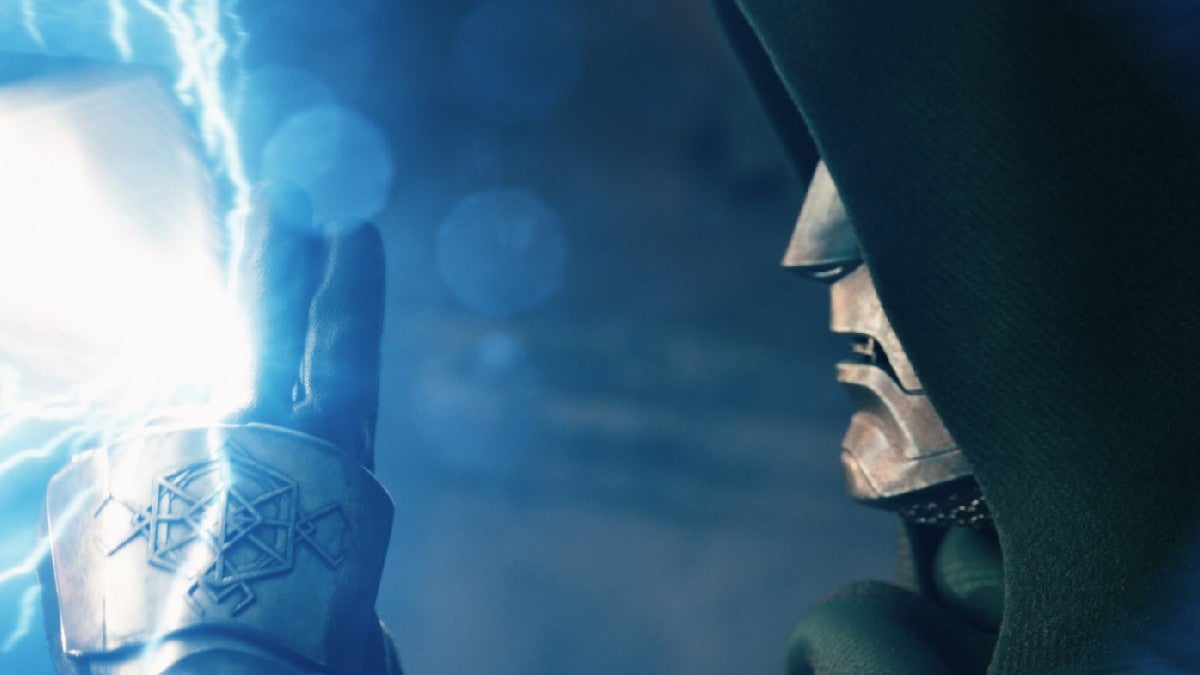
The unveiling of Avengers: Doomsday at San Diego Comic-Con represents more than a casting update; it is a calculated institutional reset for Marvel Studios. By anchoring the Multiverse Saga’s climax to Robert Downey Jr. and directors Anthony and Joe Russo, the studio is deploying a ‘proven-asset’ strategy to mitigate the commercial volatility observed in Phase 4 and 5. This move seeks to synthesize high-stakes nostalgia with a radical narrative subversion of the franchise’s foundational iconography.
The Fantastic Four as Narrative Anchors
Structural analysis of the revealed footage suggests that the Fantastic Four—specifically Reed Richards (Pedro Pascal) and Sue Storm (Vanessa Kirby)—will serve as the audience’s emotional and intellectual proxies. Sue Storm’s narration reframes Victor Von Doom from a standard antagonist into a tragic figure of psychological collapse. This shift prioritizes character-driven tragedy over the abstract, physics-heavy multiversal threats that previously struggled to resonate with broader demographics.
The interaction between Richards and Doom amidst a decimated Manhattan establishes a conflict predicated on personal history rather than mere cosmic conquest. By positioning Doom as a former paragon of kindness and intellect, the narrative utilizes the ‘stolen lives’ doctrine to challenge the legitimacy of the current MCU timeline. This creates a high-stakes dynamic where the Fantastic Four are not merely supplementary characters, but the essential catalysts for the film’s existential stakes.
The Stolen Lives Doctrine: A Meta-Narrative Tool
Doom’s central declaration—that the heroes have lived ‘stolen lives’—functions as a sophisticated meta-narrative tool. This premise suggests a structural pivot where the existing cinematic reality is treated as a construct or a theft from a superior existence. This doctrine provides a logical framework for the massive ensemble cast, including Thor, Captain America, and the X-Men, transforming their presence from fanservice cameos into functional necessities within a collapsing reality.
Furthermore, the visual motif of a destroyed New York and Doom’s deployment of Sentinels signals a synthesis of diverse IP. By repurposing mutant-suppression technology for a global world order, Marvel Studios is signaling a unified production pipeline. This integration maximizes the utility of recently acquired intellectual property, such as the X-Men, ensuring they are woven into the franchise’s core fabric rather than remaining peripheral assets.
Risk Mitigation and Market Positioning
The return of the Russo Brothers reflects a prioritization of operational reliability. Given their history of managing complex ensemble hierarchies and delivering multi-billion-dollar box office results, their involvement stabilizes investor confidence. Their presence ensures a return to the high-density storytelling that defined the Infinity Saga, providing a counter-narrative to recent critiques regarding the franchise’s loss of focus.
Casting Robert Downey Jr. as the primary antagonist is a high-leverage maneuver that capitalizes on his historical brand equity while subverting it. This subversion serves as a primary marketing engine, forcing the audience to reconcile the face of the franchise’s past with the threat of its future. While requiring significant capital investment, this strategy aims to recapture cultural dominance by turning a cinematic event into a global psychological phenomenon.
Operational Efficiency in Ensemble Management
Managing a cast of this scale—including veterans like Chris Evans and James Marsden alongside newcomers like Simu Liu—presents a significant risk of narrative fragmentation. To address this, Marvel appears to be utilizing Sue Storm’s perspective to humanize the scale. This technique maintains a focused emotional core, preventing the film from devolving into a series of disconnected sequences. The disciplined exclusion of tonal outliers, such as Deadpool, further suggests a commitment to maintaining a cohesive, high-gravity atmosphere for this specific narrative arc.