Institutional Paradigm and Curatorial Integration
The 2026 Costume Institute exhibition, ‘Fashion Is Art,’ signifies a decisive shift in institutional hermeneutics. By situating contemporary garments within the Metropolitan Museum of Art’s permanent galleries, the museum facilitates a direct dialogue between transient fashion and the historical canon. This structural alignment elevates the sartorial object from a commercial artifact to a peer of the fine arts, dissolving traditional hierarchies between utilitarian craft and aesthetic contemplation.
This integration leverages the Met’s broader cultural authority to grant the Costume Institute a new tier of academic validation. For stakeholders, this necessitates a transition from traditional red-carpet aesthetics to a rigorous exploration of form and silhouette. The focus shifts toward the garment as a vessel for conceptual inquiry, demanding a higher level of intellectual engagement from both designers and spectators.
The Hermeneutics of Strategic Ambiguity
The 2026 dress code, ‘Fashion Is Art,’ introduces a deliberate level of interpretive flexibility that disrupts standard celebrity styling protocols. Unlike previous themes tied to specific eras, this abstract directive places the burden of conceptualization entirely on creative directors. This ‘blank canvas’ approach creates a high-stakes environment where brand identity must be articulated through intellectual depth rather than overt logo-centricity.
This ambiguity mandates a sophisticated navigation between literalism—garments mimicking specific physical artworks—and abstract representations of the body as a medium. Brands that successfully articulate a coherent artistic thesis stand to gain significant cultural capital, distinguishing themselves in an increasingly saturated luxury media landscape.
Thematic Archetypes: The Body as Medium
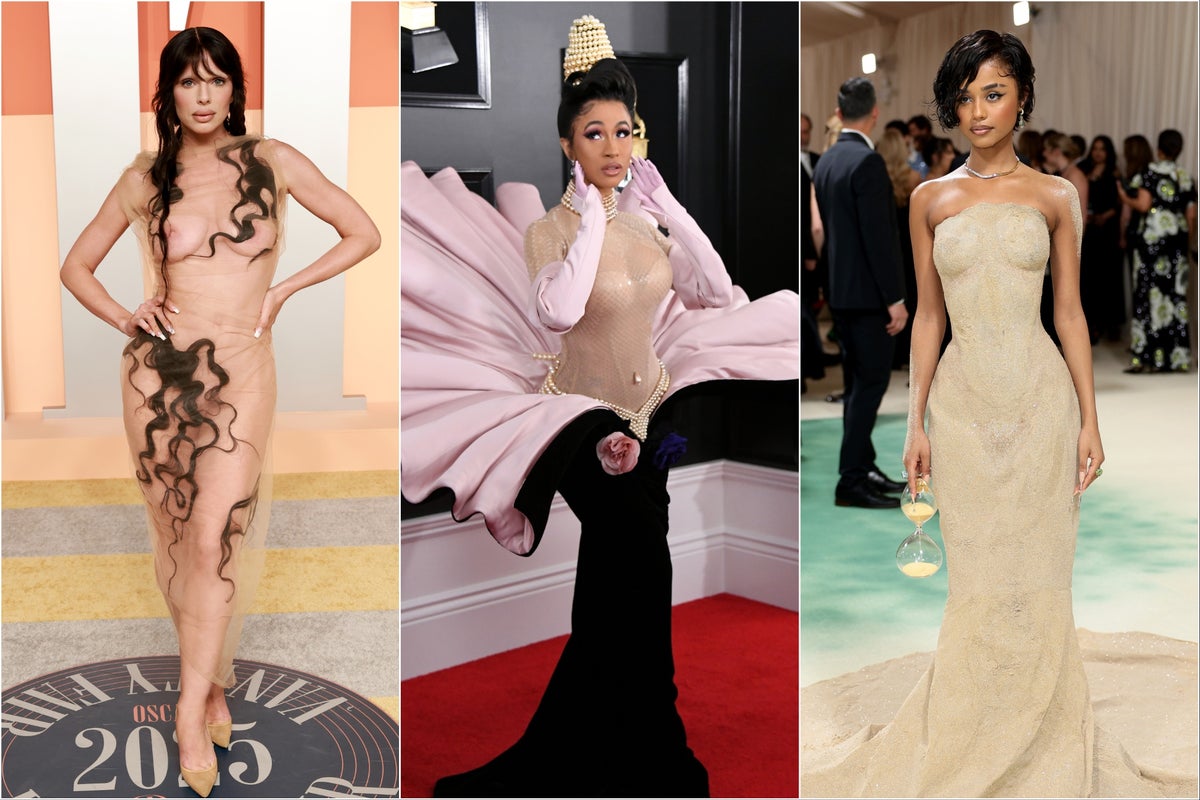
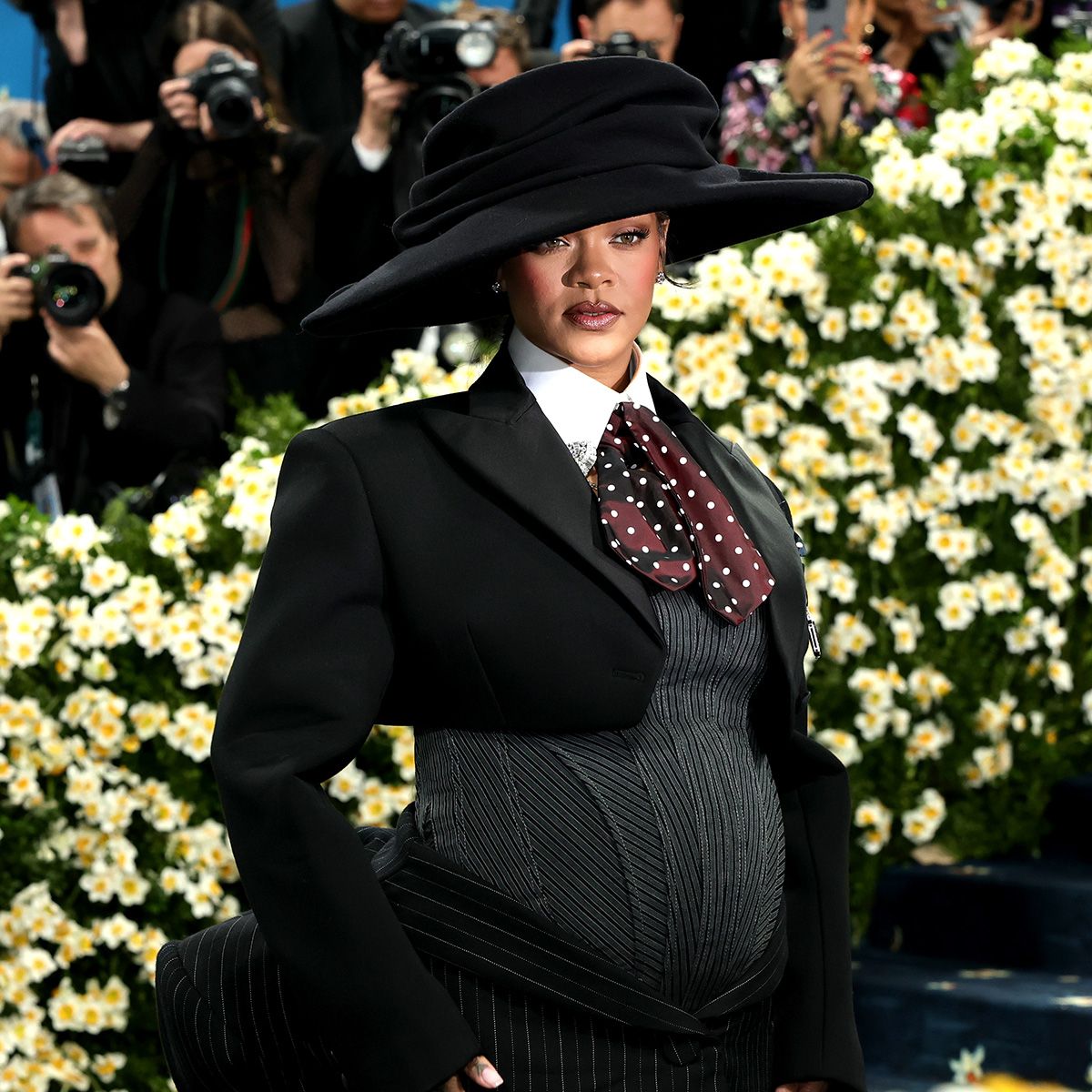
The exhibition focuses on four thematic pillars: the naked body, the classic body, the pregnant body, and the ageing body. These archetypes represent a structural attempt to address biological and social realities within high fashion, subverting the industry’s historical preference for a singular, youthful ideal. By institutionalizing the pregnant and ageing forms, the Met provides a framework for exploring inclusivity through the lens of formal artistic representation.
The emphasis on the ‘naked body’ recontextualizes the recent trend of transparency as a study of the body’s natural state. This allows for a more nuanced dialogue regarding vulnerability and the physical boundaries between the wearer and the sculpture of the garment. Each archetype serves as a catalyst for rethinking the relationship between human biology and artistic construction.
Operational Logics and the Bespoke Pivot
Celebrity stylists are currently navigating a complex operational landscape, as the transition from the initial November preview to the final dress code announcement required a rapid recalibration of conceptual trajectories. The directive to treat the body as a primary canvas has necessitated a pivot toward custom, conceptually-driven construction that prioritizes the client’s unique physicality over off-the-runway availability.
This shift increases the financial and logistical burden on luxury houses, as the production of ‘museum-grade’ garments requires specialized labor and extended development timelines. Furthermore, stylists must mitigate the reputational risks posed by real-time digital criticism, where the success of a look is increasingly contingent on its ability to withstand rigorous thematic deconstruction by a global audience.
Economic Leverage and Brand Equity
The Met Gala remains the premier capital-generating event for the Costume Institute, serving as the nexus of philanthropic endowment and global brand positioning. The ‘Fashion Is Art’ theme is architected to maximize Earned Media Value (EMV), leveraging the exclusivity of its secret guest list to drive speculative engagement. This scarcity of information is a central component of the event’s economic model, ensuring that the visual reveal of each attendee produces a concentrated impact on brand equity.
For luxury conglomerates, the investment in a Met Gala presence is justified by the long-term prestige associated with high-culture institutions. By aligning with the Met’s permanent collection, brands transition from seasonal vendors to custodians of cultural heritage, influencing the secondary market and the archival valuation of their historical pieces.
The Evolution of the Creative Director as Curator
The 2026 theme’s focus on the juxtaposition of garments and fine art suggests a broader evolution in the role of the creative director. As fashion becomes increasingly conceptual, the designer’s function begins to mirror that of a curator or a fine artist. This shift redefines the skill sets required for industry leadership, prioritizing intellectual vision and historical literacy alongside commercial viability.
Ultimately, the 2026 Met Gala will be evaluated on its success in bridging the divide between the market-driven realities of fashion and the elevated ideals of the art world. This thematic approach ensures that the event’s influence extends beyond the red carpet, shaping the future of fashion curation and institutional strategy for the next decade.