
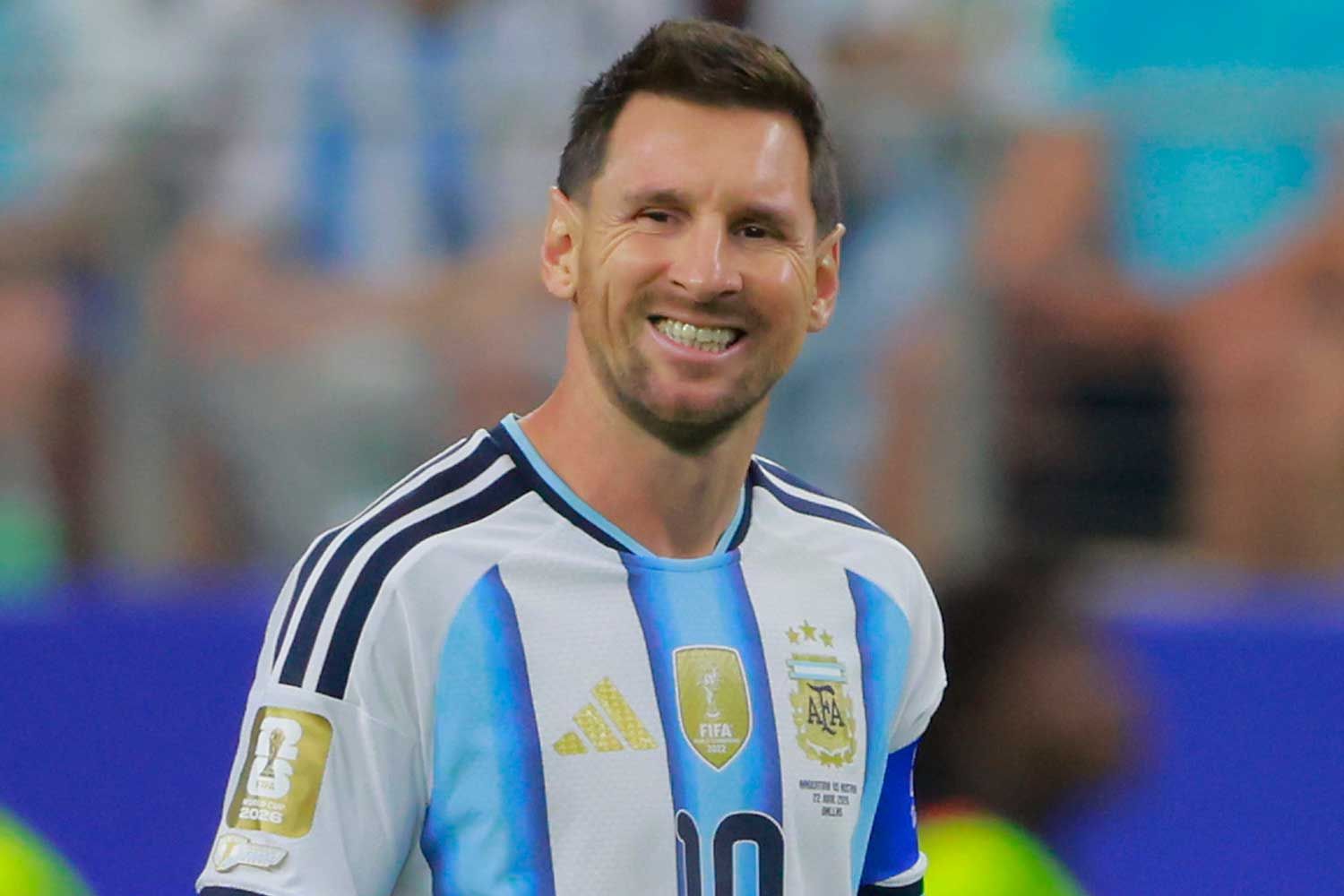
Argentina’s 2-0 victory over Austria at Dallas Stadium on June 22, 2026, serves as a transformative milestone, marking the moment Lionel Messi officially became the all-time leading goalscorer in FIFA Men’s World Cup history. This achievement transcends mere statistics; it represents the institutionalization of a new paradigm in athletic longevity and high-stakes performance within the international footballing framework.
Tactical Convergence and the ‘Arlington Buffer’
The match underscored a significant narrowing of the structural gap between traditional footballing hierarchies and disciplined European systems. Austria’s sophisticated low-block required Argentina to pivot from volume-based attacking to high-efficiency clinical finishing. Messi’s brace—coming just days before his 39th birthday—provided a critical tactical buffer, allowing the Argentine coaching staff to prioritize load management and strategic recovery ahead of the knockout stages.
By securing six points early in the tournament, the technical team can now employ ‘strategic flexibility,’ experimenting with squad rotations to mitigate the physiological toll of a high-intensity 2026 schedule. This win stabilizes Argentina’s trajectory, converting immediate pressure into a controlled progression path.
Macro-Economic and Institutional Leverage
From an institutional perspective, Messi’s record-breaking performance validates FIFA’s commercial strategy of utilizing high-capacity NFL venues in North America. The global resonance of this milestone drives immediate value for broadcasting partners and sponsors, reinforcing the ‘Messi Brand’ as the central economic engine of the tournament. The speed of digital highlights distribution—exemplified by coverage from analysts like Darren Fletcher and Owen Hargreaves—amplifies the tournament’s reach, ensuring that the Arlington milestone remains the dominant narrative in the global media ecosystem.
The Physiology of Elite Longevity
Messi’s ability to dismantle a high-pressing Austrian defense at age 38 serves as a benchmark for modern sports science. The performance highlights an optimized synergy of nutrition, recovery protocols, and positional intelligence. Instead of relying on raw explosive power, Messi utilized spatial awareness to exploit marginal defensive lapses, proving that veteran ‘institutional memory’ on the pitch remains a primary differentiator in tournament football.
Conclusion: A Strategic Pivot Point
The Arlington brace was not just a statistical anomaly but a strategic pivot point for the 2026 World Cup. As Argentina moves forward, the record provides psychological momentum while forcing future opponents to over-commit defensive resources, thereby creating space for the next generation of Argentine attackers. The events of June 22 have solidified a historical legacy that will define the sport for decades.

Photo by yasheshajmera0 on Pixabay.