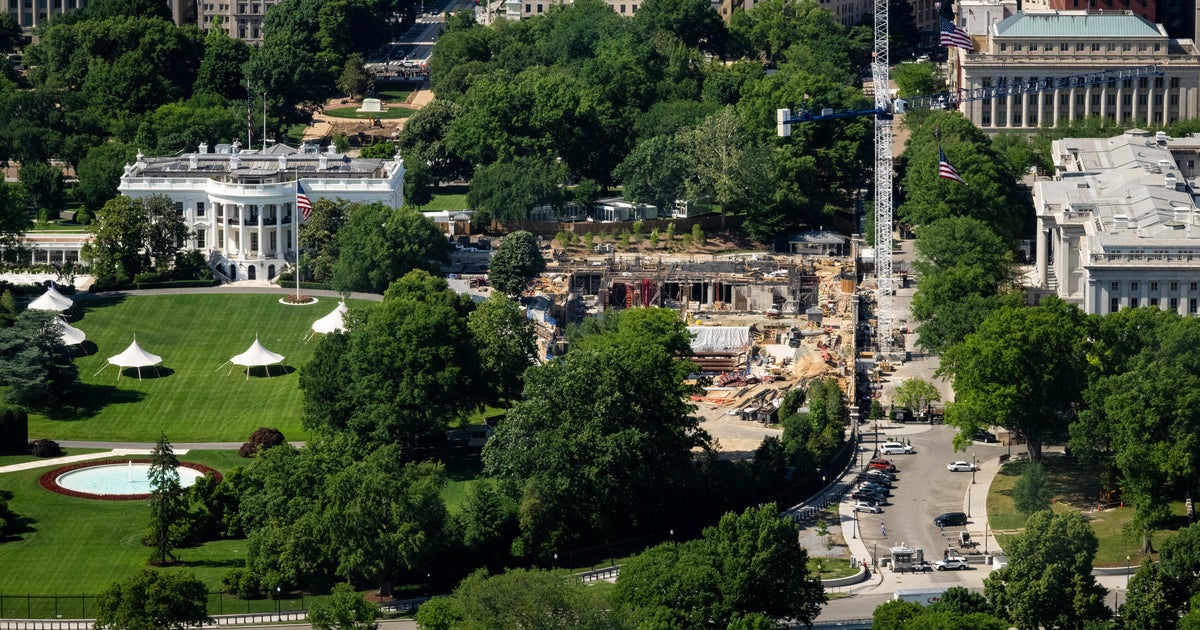
The Constitutional Challenge to Executive Construction
A coalition of 150 Democratic lawmakers has formally challenged the White House’s ongoing ballroom construction, arguing the project exceeds executive authority. The legal filing contends that the executive branch cannot unilaterally demolish or renovate federal property without explicit congressional appropriation, framing the project as a violation of the constitutional separation of powers.
Spearheaded by Representatives Robert Garcia, Jared Huffman, and Senator Sheldon Whitehouse, the brief seeks to delineate the boundary between routine facility maintenance and structural modifications requiring legislative oversight.
Defining Executive Maintenance Authority
The dispute centers on the administration’s interpretation of federal maintenance statutes. While the White House characterizes the $400 million project as necessary upkeep, the plaintiffs argue that such significant structural changes require a distinct legislative mandate. This case establishes a critical legal precedent: if the administration’s interpretation holds, it could weaken legislative oversight of future infrastructure projects on federal property.
Private Financing and Strategic Security
The project’s financing introduces unique governance risks, specifically the reliance on private donors such as Apple, Meta, and Amazon. Lawmakers argue that private corporate influence in executive residence infrastructure creates significant policy conflicts. Furthermore, the administration’s request for $1 billion in public funding—intended for security upgrades like drone ports, subterranean bunkers, and integrated rocket launchers—has been framed as a corrective measure to reduce dependency on corporate sponsors.
Institutional Oversight and Future Implications
The administration currently faces a budgetary bottleneck, relying on limited security funds while lobbying for additional appropriations. This fiscal fragility highlights a broader trend of administrative maneuvering in the face of legislative gridlock. By seeking judicial intervention, Congress aims to compel a more rigorous, transparent budgetary process for future high-profile renovations. The outcome will ultimately determine the judiciary’s role in governing the scope of executive power over national security assets and federal historic sites.