The AL East Crucible: Strategic Volatility at Camden Yards
The upcoming four-game set between the Toronto Blue Jays and the Baltimore Orioles serves as a high-stakes case study in roster resilience. Both clubs enter this intra-divisional clash with sub-.500 records, necessitating immediate stabilization to avoid early-season irrelevance in a division defined by narrow operational margins. While Baltimore seeks to consolidate gains from recent series wins, Toronto must navigate a structural deficit that threatens their status as reigning American League champions.
Rotational Attrition and Structural Instability
Toronto’s 27-29 start is inextricably linked to an unprecedented medical collapse within their starting staff. The simultaneous loss of Dylan Cease, José Berríos, Shane Bieber, and Max Scherzer to the injured list has forced the front office into a reactive posture. This vacuum of elite innings shifts a disproportionate burden onto Patrick Corbin, the Game 1 starter tasked with mitigating bullpen exposure.
This systemic failure in health necessitates a conservative tactical pivot. The Blue Jays no longer possess the luxury of high-variance pitching; instead, they must rely on precise defensive positioning and micro-managed bullpen sequences to survive high-leverage windows. The cumulative fatigue of an overextended relief corps looms as a primary threat over this four-game stretch.
Analytical Profile: The Regression of Chris Bassitt
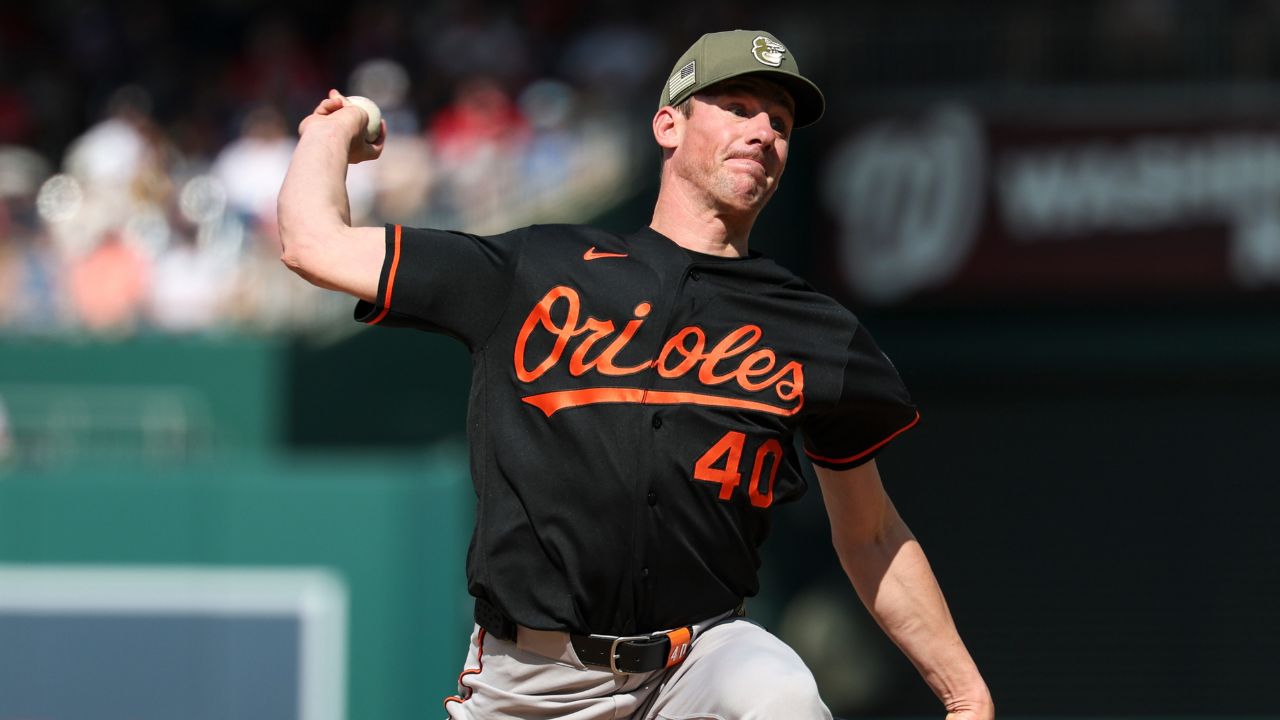
The series opener features a compelling revenge narrative centered on Baltimore’s Chris Bassitt. Despite his productive 2023-2025 tenure in Toronto, Bassitt’s inaugural campaign with the Orioles has been defined by alarming peripheral indicators. Through ten starts, his 5.51 ERA is secondary to a 1.67 WHIP and a .311 opponent batting average, suggesting a loss of command rather than statistical variance.
Most concerning is Bassitt’s ninth-percentile ranking in expected batting average (xBA). His inability to generate soft contact has led to heavy traffic on the basepaths, inflating pitch counts and shortening his outings. For Baltimore, the immediate priority is recalibrating Bassitt’s pitch sequencing to prevent his high-volume arsenal from becoming predictable to a Toronto lineup that knows his mechanics intimately.
Tactical Leverage: LHP Matchups and Sinker Velocity
The strategic fulcrum of the series resides in Toronto’s ability to exploit Bassitt’s extreme platoon splits. Analytical data confirms that left-handed hitters have punished Bassitt this season, posting a .917 OPS. This vulnerability aligns with Toronto’s roster construction, specifically targeting Daulton Varsho. Varsho’s historical success against sinkers—Bassitt’s primary offering—creates a high-probability mismatch in the early innings.
Baltimore must counter by optimizing secondary offerings to keep Toronto’s left-handed core off-balance. If the Blue Jays successfully stack their lineup to force early exits from Orioles starters, the resulting stress on the Baltimore bullpen could dictate the outcome of the entire series.
Offensive Variance and Environmental Factors
Toronto’s offensive output remains home-run dependent, evidenced by their 9-5 record in multi-homer games compared to a steep decline in run manufacturing when the ball stays in the park. The absence of Alejandro Kirk (thumb fracture) exacerbates this, placing undue pressure on Ernie Clement to sustain high-contact rates. Conversely, Baltimore enters with the AL’s fourth-best slugging percentage (.392), leveraging Camden Yards’ dimensions to exploit Toronto’s compromised pitching depth.
Institutional Stakes and Front Office Implications
Beyond the box score, this series represents a critical evaluation period for both front offices. For Toronto, sustained mediocrity despite a championship pedigree may trigger a mid-season strategy shift regarding the trade deadline. For Baltimore, a series victory against the defending AL champions would validate their rebuilding trajectory and internal development. As both teams converge at Camden Yards, the results will likely influence organizational philosophy for the remainder of the 2026 campaign.