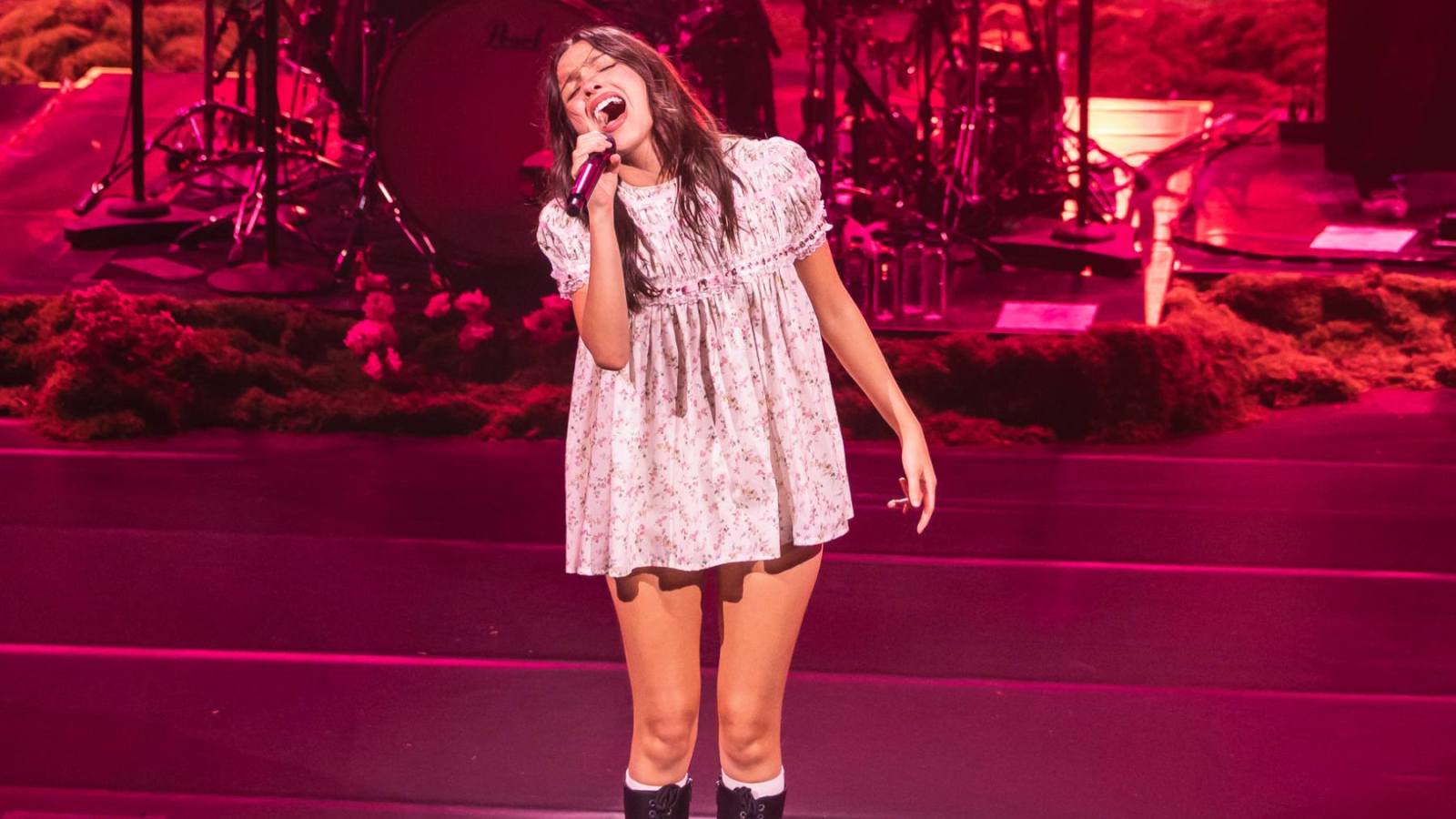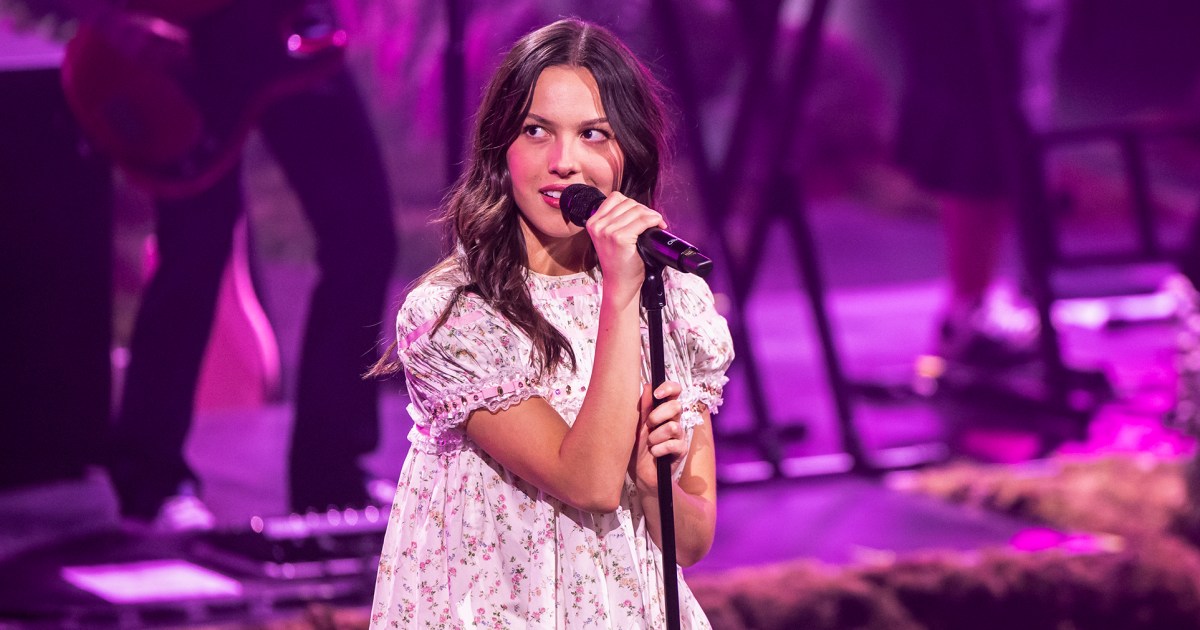
Singer Olivia Rodrigo has articulated a significant critique of the public backlash she faced for wearing a babydoll dress, drawing a direct connection between the criticism and societal tendencies to normalize pedophilia and to engage in victim-blaming.
Framing of Modesty and Inconsistency in Scrutiny
Rodrigo highlights an inconsistency in how female attire is policed, contrasting the intense scrutiny of her fully-covered babydoll dress with the lesser reaction to more revealing outfits. She suggests this disproportionate focus on seemingly childlike garments points to deeper societal discomfort and biases that associate youthful aesthetics with sexualization.
The singer’s assertion that this reaction normalizes pedophilia implies that the condemnation is not about the garment itself but reflects underlying cultural anxieties that project sexualization onto innocent imagery, challenging the audience to confront these biases.
Victim-Blaming Rhetoric in Fashion Discourse
Rodrigo identifies a pervasive, ingrained rhetoric that places responsibility on women and girls for male sexualization, framing their clothing choices as invitations or justifications for unwanted attention. This perpetuates victim-blaming, shifting accountability from the perpetrator to the individual being sexualized.
By articulating this, Rodrigo moves beyond defending her fashion to discussing the systemic pressures that influence female agency, self-perception, and public presentation. This rhetoric, she implies, fosters a climate of fear and self-censorship, limiting women’s freedom of expression.
Album Promotion and Amplified Scrutiny
The controversy intensified as Rodrigo utilized similar babydoll-style dresses for her album ‘GUTS’ cover art and promotional materials, including music videos and performances. This strategic visual branding became a focal point for discussions on artistic expression, celebrity image, and societal norms.
The intensity of the online criticism, described by some as outrage, indicates a significant public engagement with her aesthetic choices, underscoring the power of visual media and the potential for controversy to become intertwined with promotional campaigns.
Artistic Intent vs. Public Interpretation
Rodrigo asserts her right to personal autonomy, stating her intention was to feel ‘cool and comfortable,’ not to sexualize herself. This directly confronts critics’ interpretations, differentiating artistic intent from subjective, and potentially biased, public reception.
The situation probes the boundaries of artistic freedom in the digital age, where immediate public commentary can influence or challenge an artist’s narrative and potentially shape creative decisions under market pressure.
Industry and Stakeholder Implications
For the music industry, this highlights the challenges of managing public perception and potential controversies that can overshadow artistic output. Labels and marketing teams must balance creative direction with public relations, with visual branding’s reception critically impacting an artist’s career trajectory.
The debate also impacts fashion and media industries, influencing design trends and media framing of fashion discussions, particularly concerning young women. Such controversies can have tangible economic effects on sales, streaming, and brand value.
Broader Societal Dialogue on Gender and Power
Rodrigo’s critique transcends celebrity defense, inviting a deeper conversation about gender dynamics and patriarchal norms. By framing the issue as normalization of pedophilia and victim-blaming, she challenges the status quo and calls for re-evaluation of societal approaches to sexualization and consent.
Her use of her platform for social commentary resonates with younger audiences, often at the forefront of social justice, potentially solidifying her brand and influence beyond musical popularity.
Future Trajectories and Artist Agency
The long-term career impact will depend on how Rodrigo and her team navigate this discourse. Her direct, forceful response, linking criticism to systemic issues, positions her as an artist engaging with challenging social topics, potentially galvanizing her fanbase or alienating those uncomfortable with her critique.
Rodrigo’s stance underscores the evolving artist landscape where personal expression is scrutinized and engagement with social issues is increasingly expected. Her framing of the dress criticism as a symptom of deeper societal problems offers a framework for understanding the interplay between individual choice, cultural interpretation, and gender equality challenges.
Media’s Role in Amplifying Discourse
Dissemination through outlets like The New York Times’ Popcast demonstrates media’s critical role in shaping public discourse by contextualizing and amplifying the artist’s message. Differential media framing significantly influences public perception and the controversy’s impact.
The emergence of ‘pedo core’ accusations in some reports highlights extreme criticism and sensationalism in online discussions. This necessitates strategic communication from artists and representatives, prioritizing factual accuracy and reasoned arguments.
Economic and Commercial Ramifications
While the focus is cultural, economic implications for album promotion and future ventures are considerable. Significant debate can drive curiosity and engagement, boosting sales and streams. Conversely, alienating a portion of the audience could dampen commercial performance.
Associated brands, including record labels and fashion partners, will monitor the situation. Strategic decisions will be influenced by public reaction and Rodrigo’s ongoing dialogue. Leveraging controversy into sustained positive brand association will be key to its long-term economic impact.
Intergenerational Dialogue and Cultural Evolution
Rodrigo’s comments tap into intergenerational dialogue on societal progress, particularly regarding gender roles and sexualization. Her critique suggests persistent regressive attitudes in judging young women’s behavior and appearance, resonating with younger generations vocal about equality.
The debate initiated by Rodrigo can catalyze further discussion and critical self-reflection, challenging ingrained assumptions about modesty and responsibility. She contributes to cultural evolution aimed at dismantling harmful stereotypes and promoting equitable understanding of gender and agency.
The Power of Narrative Control
Rodrigo’s response represents a strategic effort to control the narrative, reframing criticism from a fashion issue to a systemic cultural problem. This elevates the conversation, positioning her as an insightful commentator on cultural phenomena rather than merely a subject of criticism.
The success of this narrative control depends on consistent articulation of complex ideas and the audience’s receptiveness to deeper implications over superficial interpretations, impacting her public image and influence.
Conclusion: A Catalyst for Deeper Examination
Olivia Rodrigo’s response to the babydoll dress controversy is a pointed critique of societal norms that she argues normalize pedophilia and perpetuate victim-blaming. By linking criticism of her attire to these broader cultural issues, she has transformed a fashion incident into a platform for significant social commentary.
This incident highlights the complex relationship between artistic expression, public perception, and pervasive societal biases. Rodrigo’s strategic reframing invites a deeper examination of how cultural narratives are constructed, their impact on individuals, and the ongoing work required to challenge deeply entrenched attitudes regarding gender, sexuality, and responsibility.