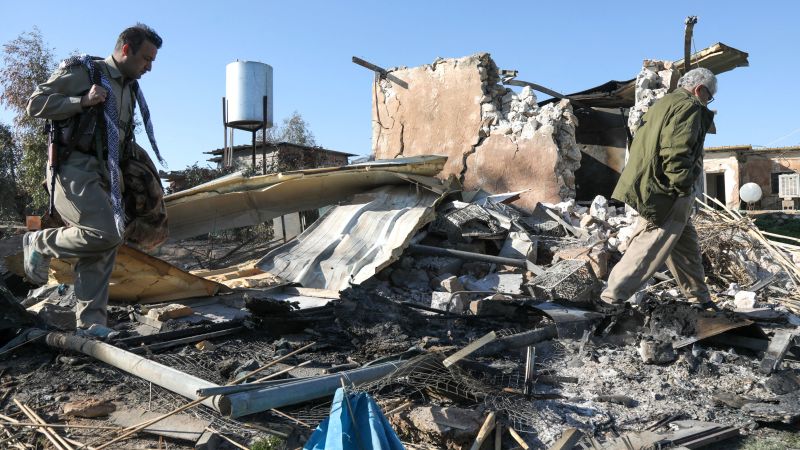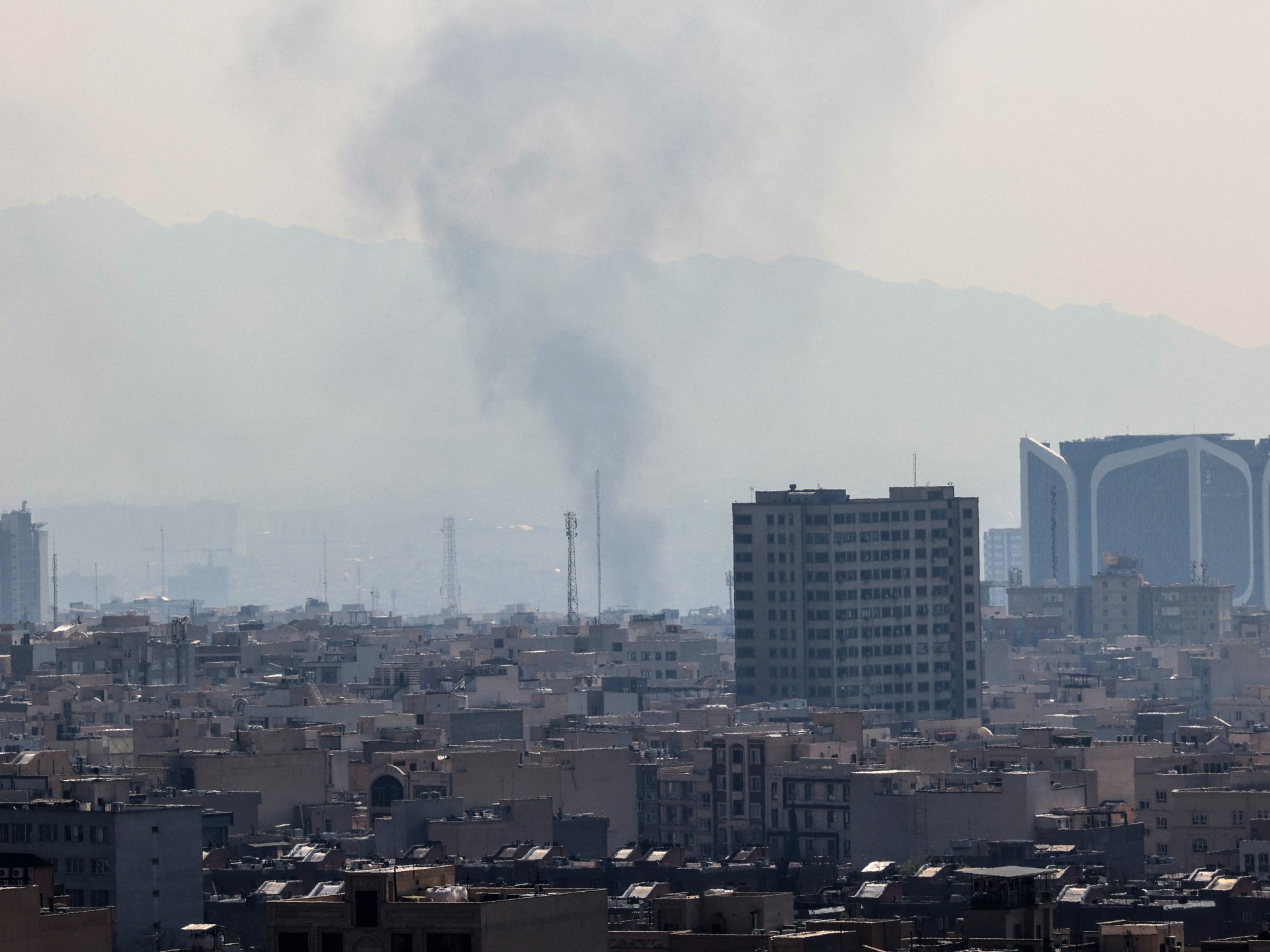
Israel has escalated its military actions with a significant wave of airstrikes targeting Tehran, the Iranian capital. State media reports indicate impacts on a commercial street, with residents describing the night as the most intense aerial bombardment since the conflict began. This escalation follows recent Israeli military operations against Hezbollah sites in Beirut’s southern suburbs.
The Israeli military has characterized this as a “new stage” of its campaign, with US and Israeli officials signaling a substantial increase in offensive operations. While specific details of future actions remain undisclosed, US Defense Secretary Pete Hegseth indicated that strikes on Iran would “surge dramatically,” suggesting a deliberate intensification of military pressure and a potential recalibration of strategic objectives.
A prominent claim by the Israeli Defense Forces (IDF) is the destruction of an underground bunker purportedly used by senior Iranian officials, alleged to have belonged to the late Supreme Leader Ayatollah Ali Khamenei. Reports suggest approximately 50 Israeli fighter jets deployed around 100 bombs across multiple Tehran streets, targeting what the IDF described as a facility with “many entry points,” although Iran has not yet officially commented on these specific assertions.
The conflict’s ripple effects are acutely felt by civilian populations. The UN reports nearly 100,000 displaced individuals within Lebanon. Tens of thousands of Syrian refugees in Lebanon have reportedly fled back across the border following a mass evacuation order issued by the IDF for a substantial portion of Beirut’s southern suburbs, which preceded Israeli strikes on alleged Hezbollah infrastructure.
The UN High Commissioner for Human Rights, Volker Türk, has urged the United States to expedite its investigation into a recent fatal strike, highlighting international concerns over civilian casualties and adherence to international humanitarian law amidst escalating hostilities. This call underscores the potential for broader international scrutiny of military actions.
US President Donald Trump has articulated a firm precondition for American involvement cessation, stating on his Truth Social platform that “There will be no deal with Iran except UNCONDITIONAL SURRENDER!” This declaration establishes a maximalist demand for any diplomatic resolution, significantly narrowing de-escalation pathways and potentially prolonging the conflict.
The war’s disruption to global energy supplies is increasingly evident, with major shipping companies now refusing cargo destined for the Persian Gulf. This operational decision reflects heightened risk assessments and insurance considerations for maritime transit through a critical global chokepoint, impacting supply chains and energy markets.
President Trump has addressed the economic impact, stating that rising US gas prices do not concern him. This stance suggests a prioritization of geopolitical objectives over immediate domestic economic pressures, potentially indicating a willingness to accept higher energy costs as a consequence of the ongoing conflict.
Amidst escalating external pressures, Iran’s internal political landscape is reportedly undergoing a transition, with the ruling council allegedly preparing to introduce a new supreme leader. President Trump has expressed a desire to influence this succession, though analysts note the inherent complexities of Iranian internal governance make significant external influence challenging.