The Climatological Threshold: Exceptional Drought in Jacksonville
The meteorological landscape of Northeast Florida has crossed an actuarial threshold, with the U.S. Drought Monitor elevating the Jacksonville region to the ‘Exceptional’ (D4) category. This designation is not merely a descriptive label but a marker of systemic hydro-climatological failure. It signifies that seasonal precipitation deficits have reached a level where soil moisture depletion and fuel-load desiccation pose a critical threat to regional infrastructure and ecological stability.
Operational data from Exact Track 4D radar indicates a total lack of meaningful convective activity, forcing municipal authorities to transition from elective water conservation to mandatory resource management. The primary objective is the preservation of hydrostatic pressure within municipal grids to ensure fire suppression capabilities remain viable as aquifers reach historically low levels.
Tactical Implications of NWS Fire Weather Watches
Concurrent with the drought escalation, the National Weather Service (NWS) has issued Fire Weather Watches across the western Florida Panhandle. This alert is triggered by a precise atmospheric convergence: relative humidity dropping below critical thresholds and sustained gusty winds. This synergy significantly lowers the ignition temperature for fine fuels and accelerates the rate of spread for any nascent fire activity.
For land management agencies, these watches necessitate the pre-positioning of suppression assets. For industrial and agricultural stakeholders, it requires a suspension of high-risk activities—such as debris burning or equipment operation in dry brush—that could trigger a conflagration. This proactive window is the final line of defense before a formal Red Flag Warning is issued, during which the margin for operational error is non-existent.
Economic Liability and the ‘Insurance Nightmare’
The intersection of extreme heat—approaching 90 degrees in hubs like St. Augustine and Waycross—and exceptional aridity creates a complex liability environment. Property owners face heightened scrutiny; activities conducted in defiance of weather alerts can trigger negligence clauses in insurance policies. In an era of increasing premiums, the financial fallout from a wildfire can often exceed the physical replacement cost of infrastructure due to subrogation risks.
Furthermore, the sustained thermal load places a dual burden on the regional energy grid. Cooling demand is surging at the same time that water pumping operations require maximum energy output. This creates a feedback loop of utility stress that requires coordinated load-balancing between state regulators and private providers to prevent localized grid failures during peak demand cycles.
Comparative Resilience: Capital Allocation in Forest Management
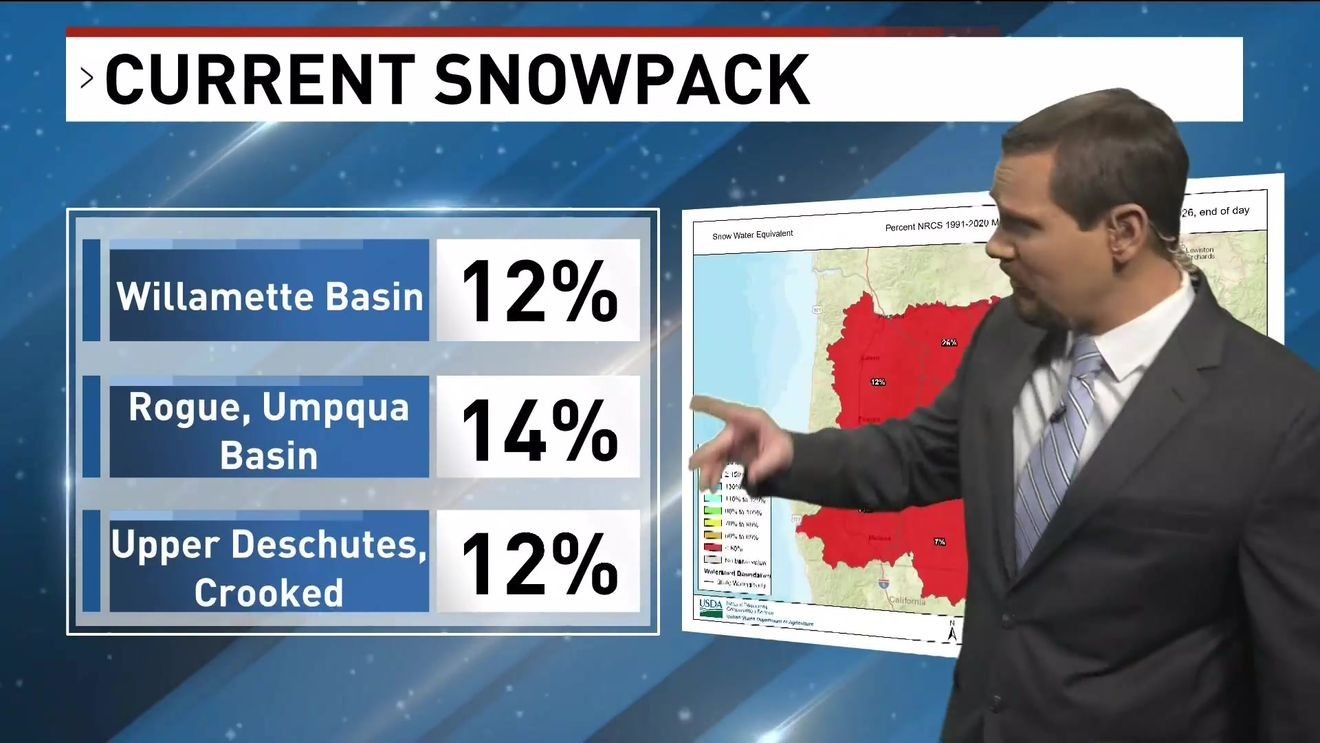
While Florida manages an immediate crisis, Oregon’s recent allocation of $3.2 million for forest resilience offers a strategic blueprint for long-term mitigation. This funding focuses on reducing fuel loads and enhancing the structural integrity of forest ecosystems through proactive thinning and prescribed burns. Such capital investments are designed to shift the fiscal burden from reactive emergency suppression to proactive risk reduction.
The tension in fiscal priorities is evident, as seen in the comparison between Oregon’s $3.2 million forest resilience fund and its $21 million investment in childcare expansion. This underscores the challenge facing modern governance: balancing immediate socio-economic needs with the long-term capital requirements of environmental defense in an increasingly volatile climate.
Meteorological Outlook and Regional Vulnerability
Forecasting models from AccuWeather suggest that the fire risk is expanding beyond Florida into the interior mid-Atlantic and southern Appalachians. The transition into spring is expected to be bifurcated: an early phase dominated by intense drought, followed by a potential shift toward flood risk as atmospheric patterns reorganize. This volatility requires agricultural stakeholders to adopt flexible irrigation and planting cycles to mitigate the risks of fluctuating moisture availability.
Ultimately, the ‘exceptional’ drought in Jacksonville and the fire watches in the Panhandle serve as a catalyst for a more robust regional resilience strategy. Institutional success will depend on the integration of high-resolution meteorological data into every level of public safety and economic planning, ensuring that Florida is prepared for a future where environmental extremes are a baseline operational reality.