
Judicial Intervention Reinforces State Election Authority
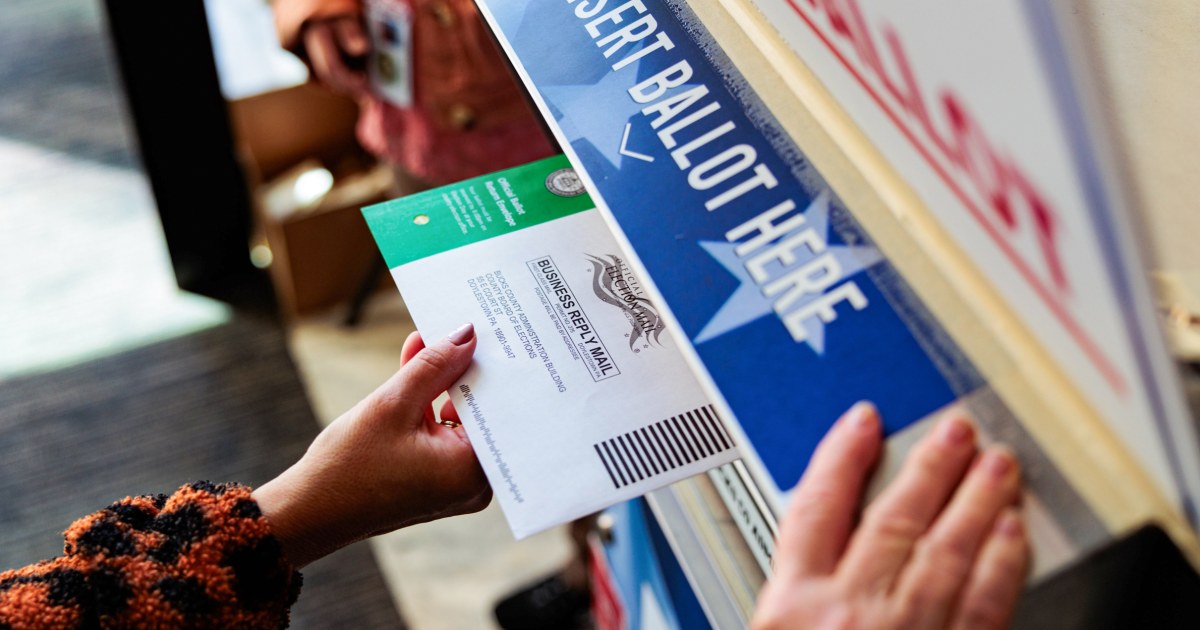
A federal judge in Boston has delivered a significant blow to President Donald Trump’s directives concerning mail-in voting and voter registration. U.S. District Judge Indira Talwani ruled key provisions of the executive orders unconstitutional, effectively barring federal attempts to dictate state-run election processes, including the creation of federal voter lists and restrictions on mail ballot distribution.
The decision represents a decisive judicial check on executive authority, upholding the U.S. Constitution’s delegation of election administration to individual states. By granting summary judgment for a coalition of nearly two dozen states, the court has neutralized the executive branch’s capacity to alter the fundamental mechanics of election administration, particularly impacting the upcoming midterm election cycle.
Executive Overreach and Constitutional Boundaries
The executive order’s intent was to establish federal voter rolls and compel the U.S. Postal Service to limit mail ballot deliveries only to individuals on these curated lists. This approach marked a departure from established election administration practices, where voter registration and ballot distribution have historically been managed by state and local election boards.
Legal scholars have long identified the potential for constitutional conflict when federal executive actions attempt to supersede state authority in election matters. This ruling underscores the judiciary’s critical role in preserving the separation of powers, preventing executive directives from bypassing the state-level processes integral to democratic participation.
Institutional Ramifications of Judicial Oversight
This ruling follows a parallel decision from the same federal court that permanently blocked an earlier executive order mandating proof of citizenship for voter registration. Collectively, these judicial actions demonstrate a consistent judicial posture against federal encroachment on the procedural aspects of state elections.
For state election officials, the ruling provides essential legal clarity and operational stability as they prepare for the midterm elections. By preventing the imposition of federalized voter lists and distribution mandates, the court preserves the existing state-led administrative infrastructure, averting potential disruptions caused by the executive orders.
Strategic and Political Underpinnings
The administration had presented the executive orders as measures to bolster election integrity, citing unsubstantiated claims of widespread fraud. However, the legal challenges by the states focused squarely on the unconstitutional nature of the orders themselves, rather than the substance of the fraud claims.
The court’s emphasis on the separation of powers highlights the inherent tension between a federal executive’s pursuit of centralized oversight and the decentralized reality of the American electoral system. The ruling effectively compels the administration to pursue systemic election law changes through legislative channels, rather than executive fiat.
Impact on Stakeholders and Future Precedent
The coalition of states successfully challenged the orders, securing a significant victory in protecting their administrative autonomy through the federal court system. This outcome establishes a crucial precedent for future legal disputes concerning the limits of executive power in election law and the preservation of state sovereignty.
For the Postal Service and other federal agencies, the decision clarifies their operational mandate, requiring adherence to existing state-level election guidelines. This insulates these entities from the logistical complexities and potential legal liabilities that compliance with the blocked executive directives would have imposed.
Systemic Stability in Election Administration
The broader implications of these rulings contribute to the stability of the electoral process. By affirming that the presidency lacks unilateral authority to mandate voter registration criteria or ballot distribution methods, the judiciary has reinforced institutional safeguards against abrupt, executive-driven alterations to election administration.
This legal development indicates substantial structural obstacles for the current administration in attempting to reshape election laws unilaterally. The court’s reliance on summary judgment suggests a strong conviction in the constitutional arguments against the executive orders, leaving little room for the administration to justify its directives within the existing legal framework.
Evaluating Judicial Impact on Federalism
The federal judiciary’s decisive role in these cases underscores the significance of the separation of powers as a bulwark against administrative overreach. By blocking these orders, the court has prevented a fundamental reordering of the federal-state relationship concerning election conduct.
Consequently, the administration’s future ability to influence election procedures will likely be constrained by these judicial precedents. The focus may now shift to whether the administration seeks to advance its objectives through congressional legislation, a process requiring distinct political and procedural strategies.

Photo by helen35 on Pixabay.