Royal Family Observes Easter Amidst Evolving Dynamics and Public Scrutiny
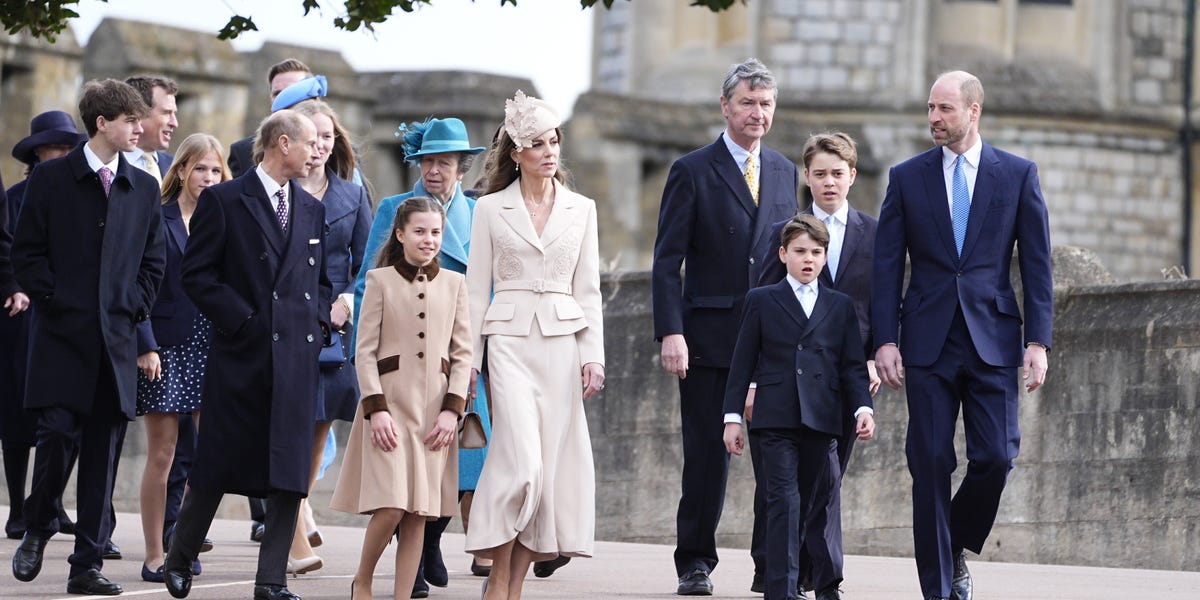
King Charles III and Queen Camilla led the British royal family in attending the traditional Easter Matins service at St. George’s Chapel, Windsor. This annual observance, a significant fixture for the monarch as Supreme Governor of the Church of England, saw the presence of key figures, including the Prince and Princess of Wales and their three children, marking their first attendance as a family unit since 2023.
The gathering signifies a deliberate return to established royal protocols for the King and Queen. Their engagement with well-wishers post-service, exchanging ‘Happy Easter’ greetings, was overseen by the Dean of Windsor, Christopher Cocksworth, highlighting the event’s institutional importance within the Church of England and the broader framework of royal duties.
Shifting Family Attendance Patterns and Strategic Distancing
Notably absent from this year’s service were Prince Andrew and his daughters, Princesses Beatrice and Eugenie. This departure from previous years, particularly for Prince Andrew who had made rare Easter appearances despite his diminished public role, signals a managed approach to family participation.
The decision for the Princesses to miss the service was reportedly mutual, with King Charles’s agreement. This indicates a strategic balance between tradition and current sensitivities surrounding Prince Andrew’s legal entanglements and public perception. Their absence, from a traditionally inclusive royal event, signifies a continued strategic distancing aimed at mitigating reputational risk and maintaining a clear separation from individuals facing significant public scrutiny.
The Wales Family’s Return to Public Tradition
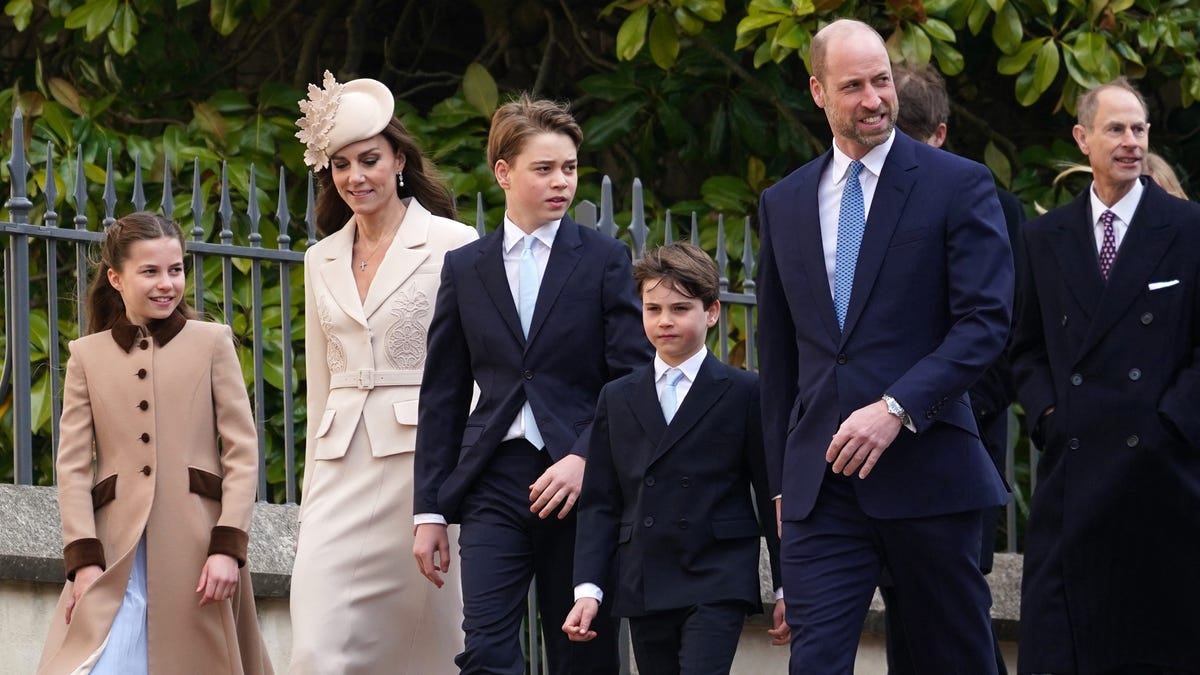
The attendance of Prince William, Catherine, Princess of Wales, and their children, Prince George, Princess Charlotte, and Prince Louis, marks a significant return to the Windsor Easter tradition for the Wales family, who had opted for private observances in Norfolk for the past two years.
This reappearance at a prominent public royal event suggests a strategic decision to re-engage with traditional family gatherings, projecting continuity and stability for the monarchy, with the Prince and Princess of Wales increasingly central to its future.
Princess Kate’s choice of attire and her interactions with the crowd alongside her children emphasized a deliberate presentation of normalcy and public engagement, crucial for maintaining public connection and reinforcing their roles.
Institutional Context and Narrative Management
The Easter service took place against a backdrop of heightened public scrutiny, largely fueled by the ongoing challenges faced by Prince Andrew. The family’s adherence to tradition highlights the enduring importance of established rituals in projecting institutional resilience.
The strategic management of family attendance, particularly the notable absences, reflects an effort to control narrative and manage public perception. This approach aims to preserve the monarchy’s image by visibly separating core working members from those associated with controversy.
The event underscores the operational complexities of managing an extended family with varying public profiles. Decisions regarding participation in key public events have direct implications for public opinion, media coverage, and the monarchy’s operational strategy.
The contrast between the visible presence of senior royals and the discreet absence of Prince Andrew and his daughters offers a visual representation of the monarchy’s current structural and reputational landscape, critical for maintaining public trust and ensuring long-term institutional viability.
The choice of St. George’s Chapel amplifies the message of tradition and continuity. Its historical and ceremonial significance reinforces the monarchy’s lineage and enduring presence.
Engagement with well-wishers, including Queen Camilla receiving flowers, serves as a vital component of the monarchy’s public relations strategy, shaping public sentiment and demonstrating accessibility within strict protocols.
The differing approaches to Easter attendance highlight a clear differentiation in current roles and public expectations, a key element in managing the monarchy’s public image and operational focus.
Media coverage of attendance patterns underscores public fascination with the royal family’s internal dynamics, necessitating careful strategic planning of public appearances.
The Easter service transcends religious observance, functioning as a carefully orchestrated public relations event reflecting the strategic management of the British monarchy’s image, family structure, and public relationship during a period of transition and scrutiny.
The presence of Princess Anne and Prince Edward further emphasizes the core group of senior royals actively participating in traditional duties, reinforcing their established institutional roles.
Holding the service at Windsor Castle amplifies the message of continuity and stability, with the venue’s historical significance reinforcing the Crown’s enduring presence.
The strategic segmentation within the royal household, evident in attendance patterns, is essential for managing the institution’s public face and mitigating the impact of individual controversies.
The media’s focus on these patterns reflects a broader public interest in the royal family’s hierarchical structures, requiring careful strategic planning of public appearances to manage expectations.
The Easter service serves as a microcosm of the strategic challenges facing the British monarchy, illustrating the balance between upholding tradition, managing family dynamics, and navigating public perception and media scrutiny.
The event’s significance extends beyond its religious context, functioning as a critical moment for the monarchy to project unity, continuity, and resilience through carefully managed public engagement.
The sophisticated operational and strategic planning behind such public events is evident, with every element contributing to the overall narrative and public messaging.
The continued adherence to traditional services highlights the enduring power of ritual in maintaining institutional identity and public connection amidst evolving societal norms.
The strategic decision-making process behind royal appearances is a continuous effort to align public perception with the institution’s desired image, with the Easter service exemplifying this ongoing imperative.
The inclusion of younger royals like Prince George and Princess Charlotte signals long-term continuity and serves as part of succession planning and public familiarization.
The royal family’s ability to adapt and manage public perception through curated events like the Easter service is key to its sustained relevance and operational longevity.