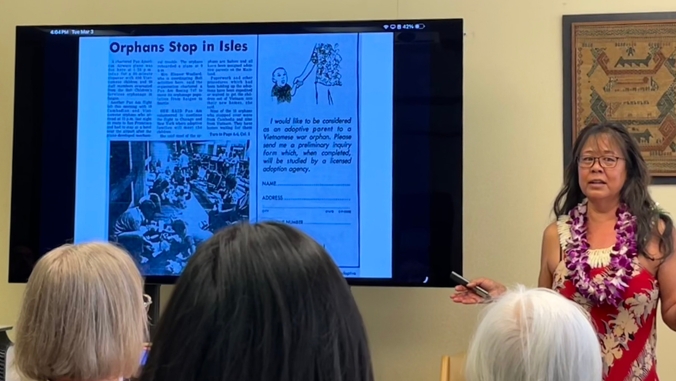
The institutionalization of Vietnam War memory represents a significant shift from fragmented individual accounts to a structured academic and national framework. This transformation involves specific institutions curating narratives that validate non-state experiences while integrating them into the broader sociopolitical context. A prime example is the University of Hawaiʻi at Mānoa’s Center for Southeast Asian Studies (CSEAS), which utilizes survivor testimony to bridge the gap between historical record and lived experience. By hosting figures like Devaki Murch, an Operation Babylift survivor, academic centers position themselves as critical nodes in validating non-state narratives within the broader geopolitical context of the 1970s.
Academic Curation of Non-State Narratives: The Babylift Case Study
Operation Babylift remains a critical case study in the logistical and humanitarian complexities of terminal conflict evacuation. The April 4, 1975, crash of the first evacuation flight, which resulted in 150 survivors out of 314 passengers, underscores the high-risk nature of emergency airlifts in contested zones. For survivors like Murch, the event is a foundational element of discourse surrounding the war’s final operational phases and the subsequent diaspora, directly connecting personal identity formation to strategic decisions made during the evacuation of Saigon.
Academic engagement with these survivors, particularly through institutions like UH Mānoa, represents a recalibration of how institutions process the fallout of U.S. involvement in Southeast Asia. This approach prioritizes the long-term human consequences of strategic decisions over traditional state-centric interpretations. By focusing on the question of who possesses the authority to narrate history, academic centers challenge established historical interpretations and integrate the legacy of international adoption and identity formation into the core curriculum of conflict analysis.
Furthermore, the interdisciplinary participation of students from fields such as theatre and dance indicates that the legacy of the Vietnam War is being integrated into broader cultural and artistic frameworks. This approach humanizes the statistical data of the conflict, transforming survival stories into tools for institutional empowerment and ensuring that Murch’s experience is framed not just as a historical anomaly but as a catalyst for contemporary discourse on resilience and historical agency.
The Sociopolitical Shift in Veteran Reintegration and Public Memory
The trajectory of veteran reception in the United States reveals a profound shift in the national sociopolitical landscape over five decades. Mossie Wright’s experience, characterized by a hostile return in 1970 and a decade-long struggle to comprehend public sentiment, illustrates the structural failures of early reintegration efforts. The initial lack of institutional support for returning combatants created a psychological and social vacuum that took years to address through formal commemorative practices.
The transition from the negative reception of the 1970s to the formalized “national welcome home celebration” signifies a strategic institutional effort to rectify historical grievances. This evolution is marked by the formalization of National Vietnam War Veterans Day on March 29, the anniversary of the 1973 withdrawal of the last U.S. combat troops. By anchoring commemorations to specific legislative and historical milestones, the state and advocacy groups have created a permanent infrastructure for veteran recognition, replacing ad hoc acknowledgment with institutionalized respect.
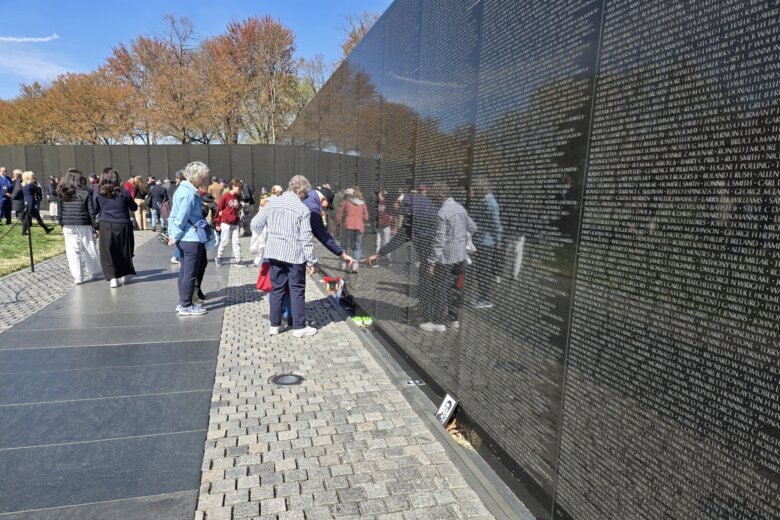
The shift from small, quiet affairs at the Vietnam Veterans Memorial to large-scale public events, such as the “welcome walk” on the National Mall, reflects a change in the scale of national engagement. These events serve as a mechanism for collective reconciliation, involving veterans, their families, and the broader public. The deliberate utilization of media and high-profile advocates for these concerts and gatherings demonstrates a strategic effort to bolster the visibility and prestige of the veteran community, integrating their service into the established canon of American sacrifice.
Physical Commemoration and the Integration of POW Narratives
The National Mall serves as a critical site for the physical manifestation of national memory, where the Vietnam Veterans Memorial acts as a focal point for individual and collective reflection. The physical act of walking between the World War II Memorial, the Lincoln Memorial, and the Vietnam Veterans Memorial creates a symbolic bridge between different eras of American military history, reinforcing the institutional effort to integrate the Vietnam War into the national identity.
The narrative of prisoners of war (POWs), such as the veteran who endured 2,100 days in captivity, represents another critical dimension of the war’s legacy. Nearly six years of detention necessitates a complex set of institutional responses, from diplomatic negotiations for release to long-term medical and psychological support upon return. The institutionalization of the POW/MIA issue has become a permanent fixture of U.S. foreign policy and veteran advocacy, ensuring that the fate of those captured or missing remains a priority. This focus on individual endurance under systemic duress provides a counter-narrative to broader strategic failures, emphasizing personal resilience within a failed military context, which is essential to the modern commemorative framework.
Conclusion: Stabilizing Legacy through Institutional Memory
The transition of the Vietnam War from a source of national division to a subject of institutionalized commemoration reflects a broader structural transformation in American society. This process has been driven by a combination of state action, academic inquiry, and veteran advocacy, all working to stabilize a once-volatile historical narrative. The stories of individuals like Devaki Murch and Mossie Wright serve as the foundational elements of this new narrative, providing the personal depth necessary for national reconciliation.
Academic centers like CSEAS play a vital role in this institutional custody, ensuring that the complexities of the Vietnam War—from the trauma of Operation Babylift to the challenges of veteran reintegration—are preserved with academic rigor. This institutional framework prevents the oversimplification of the war’s history and maintains a nuanced understanding of its strategic and human consequences. As the cohort of survivors and veterans ages, the role of these centers in documenting and interpreting their experiences becomes increasingly critical for the ongoing health of the nation’s institutional and social fabric.