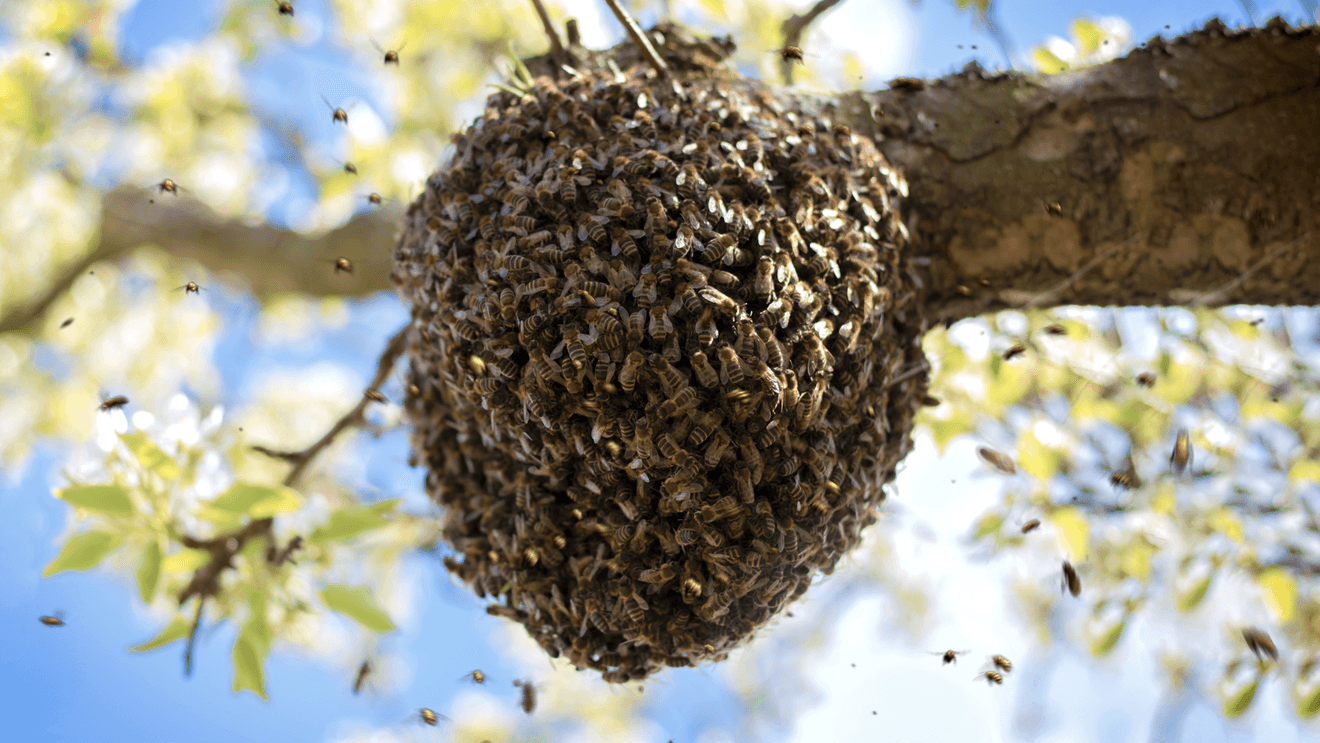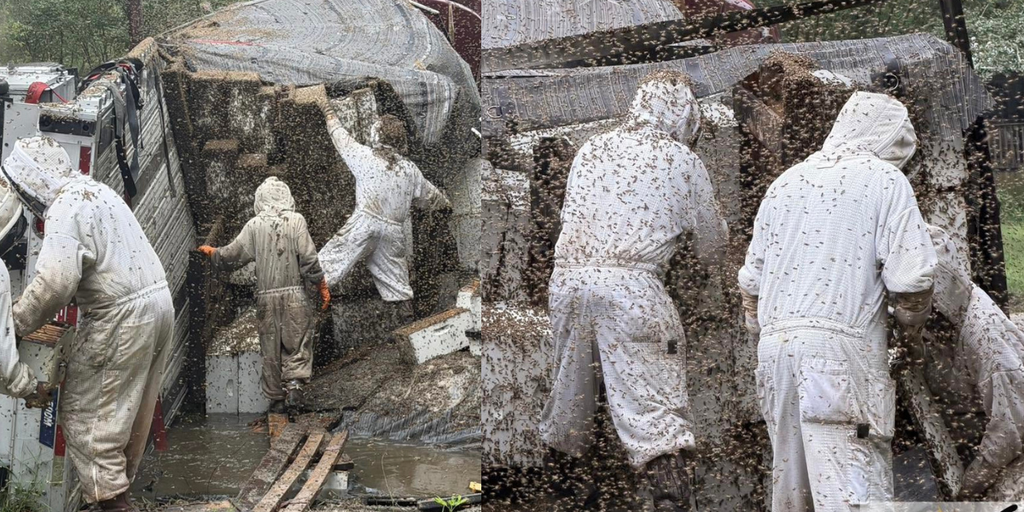
The rollover of an 18-wheeler transporting approximately 400 commercial beehives in Orange County, Texas, underscores the systemic vulnerabilities inherent in migratory pollination networks. When the commercial transport vehicle failed to negotiate a turn near Colony Lane and Colony Drive, it compromised the containment of an estimated 24 million honeybees. This incident immediately escalated from a routine logistics operation to a complex public safety and biological containment event, exposing critical gaps in municipal emergency protocols and agricultural supply chains.
For the agricultural sector, this incident is a stark illustration of the concentrated physical and financial risks associated with the transport of live biological assets. Migratory beekeeping is the unsung backbone of modern high-yield crop production, requiring the highly synchronized movement of millions of pollinators across interstate corridors to meet narrow seasonal blooming windows. A single transit failure does not merely represent localized asset destruction; it threatens downstream crop yields for agricultural operations dependent on these timely biological inputs.
The Logistics and Operational Constraints of Migratory Pollination
Commercial pollination services operate on a highly specialized cold-chain logistics model. Hives are densely stacked, secured, and transported primarily overnight or during cooler periods to manage colony temperature and minimize insect stress. The cargo in this incident consisted of 400 hives—each containing between 60,000 and 80,000 bees—representing a highly concentrated, volatile biological payload. Because these colonies are transported in active states, any structural compromise to the vehicle or hives leads to immediate containment failure.
The timing of these transits is highly sensitive. The bees involved in the Orange County crash were destined for northern agricultural regions to pollinate seasonal crops. Because commercial growers operate on rigid seasonal schedules, any shipping disruption triggers a cascade of contractual penalties, compromised crop pollination windows, and reduced agricultural output. Consequently, migratory apiculture operates under razor-thin logistical margins where transit delays directly impair biological efficacy and grower revenue.
Emergency Management and the Limits of Biological Containment
The response by the Orange County Sheriff’s Office and Emergency Service District #4 highlights the unique operational challenges that large-scale biological spills pose to local emergency management. Unlike standard chemical hazardous materials, a massive release of agitated insects cannot be isolated using conventional physical barriers or neutralization agents. The immediate issuance of a shelter-in-place order for residents near 1130 Colony Drive was a necessary tactical measure to mitigate public exposure while specialized containment resources were mobilized.
Municipal emergency services are rarely equipped with the specialized personal protective equipment (PPE) or apicultural training required to manage millions of displaced pollinators. This operational deficit necessitates immediate collaboration with private-sector actors who possess the technical expertise to handle active colonies under duress. The tactical response focused on perimeter security, traffic diversion, and facilitating access for qualified apiarists to evaluate damage and salvage viable biological assets.
Financial Exposure and Risk Mitigation in Commercial Apiaries
The financial ramifications of a transportation accident of this scale are multi-layered, extending from the commercial apiary owner to the transport provider and downstream growers. Each of the 400 destroyed hives represents significant capital investment, comprising the physical hive components, the queen, the brood, and the stored honey. The physical destruction of these assets causes immediate capital loss, compounded by the logistical costs of recovery, hazardous debris cleanup, and the disposal of non-viable colonies.
Beyond direct asset depletion, the operator faces significant liability exposure. This includes potential third-party property damage, emergency response cost recovery, and public health claims, even though no severe injuries were immediately reported. Commercial apiary insurance policies must navigate highly complex clauses regarding transit risk, biological mortality rates, and third-party liabilities. The difficulty of accurately assessing colony survival rates immediately post-accident further complicates insurance adjustments and delays capital recovery.
Informal Mutual Aid as a Systemic Vulnerability
The rapid mobilization of local beekeepers, including volunteers from Queen Bee Supply LLC and regional apiaries, highlights the critical role of informal mutual aid networks in agricultural crisis response. When formal municipal infrastructure lacks the specialized capabilities to resolve a biological emergency, the burden of containment and asset salvage falls entirely on the local apicultural community. These volunteers provided the essential protective gear, smokers, and transport equipment required to consolidate and relocate surviving colonies.
While this collaborative response demonstrates the resilience and mutual support typical of the agricultural community, it also exposes a systemic structural vulnerability. The resolution of a major interstate transport incident and the mitigation of a public safety threat should not depend on the voluntary participation of local private actors. This reliance indicates a lack of formalized, state-level contingency planning for biological transport emergencies along major transit corridors.
Downstream Supply Chain and Infrastructure Impacts
The loss of millions of active pollinators has direct, negative consequences for agricultural supply chains, particularly for crops entirely reliant on managed insect pollination. When a major shipment is lost, growers cannot easily secure alternative pollination services on short notice during peak seasonal demand. This leads to suboptimal pollination density, directly translating to lower crop quality, reduced fruit set, and diminished harvest yields.
This reliance on long-haul trucking to transport critical biological inputs exposes the broader food supply chain to localized transportation infrastructure failures. A single highway rollover can disrupt agricultural production timelines hundreds of miles away, highlighting the hyper-interconnected nature of modern food systems. As wild pollinator populations continue to face environmental pressures, the agricultural sector’s dependence on managed, mobile honeybee colonies will intensify, further amplifying the systemic impact of transit accidents.
Regulatory Oversight and Transportation Infrastructure Gaps
This incident raises serious questions regarding the regulatory framework governing the transport of live insects on public roadways. While traditional livestock transport is subject to strict federal and state welfare and safety standards, the interstate movement of honeybees operates under highly variable, less stringent regulatory oversight. The absence of standardized, crash-resistant containment designs for bee transport vehicles increases the probability of catastrophic releases during transit, particularly on secondary roads like Colony Drive.
Furthermore, rural and suburban road infrastructure is frequently ill-suited for the transport of top-heavy, shifting agricultural cargo. Navigating tight turns and uneven shoulders demands specialized driving competencies and vehicle configurations to prevent dynamic load shifts and rollovers. Regulatory bodies and agricultural associations must evaluate current transit guidelines to ensure drivers receive specialized training and that transport vehicles utilize modern stability control systems to mitigate future systemic risks.