Legislative Immunity vs. Public Safety: A Constitutional Clash
A legal battle involving New Hampshire State Representative Ellen Read forces a critical examination of the balance between constitutional protections afforded to lawmakers and the imperative of enforcing public safety laws. The case centers on the interpretation of a long-standing constitutional provision designed to shield legislators from undue interference during their official duties. The judicial decisions have significant implications for the scope of legislative immunity and the authority of law enforcement in New Hampshire.
Representative Read, a five-term Democrat, has argued that the New Hampshire Constitution grants her immunity from traffic stops, contending that legislators should be protected from arrest or being held to bail when traveling to or from legislative sessions. Court filings indicate her assertion that traffic stops constitute unlawful detentions violating this constitutional protection.
The core judicial question is whether routine traffic enforcement, particularly for high-speed violations, constitutes the type of arrest or detention historically envisioned by the state’s founders to be exempted. Prosecutors argue that extending such immunity would create a dangerous precedent, exempting a segment of the population from essential public safety regulations. This debate has garnered national attention, highlighting the tension between official privileges and the equal application of law.
Analysis of the Windham and Londonderry Traffic Stops
The legal scrutiny encompasses two separate incidents. The first, on December 2, 2024, involved a Rockingham County deputy sheriff observing Read’s vehicle traveling at 107 mph in a 65 mph zone on Interstate 93 in Windham. Read, reportedly en route to her place of employment in Massachusetts, was charged with negligent driving. While deputies did not make a physical arrest, the stop itself became the basis for her constitutional defense.
Read’s defense, previously represented by former State Representative Dan Hynes, argued that evidence from the Windham stop was illegally obtained due to her alleged legislative privilege. The defense posited that stopping her vehicle, identified by its state representative license plate, constituted an unconstitutional disruption of her legislative duties. However, the trial court rejected this argument, finding her guilty of negligent driving and imposing a $1,240 fine.
The second incident occurred on June 5, 2025, on Interstate 93 southbound in Londonderry. A deputy sheriff stopped Read for allegedly driving 92 mph in a 65 mph zone, resulting in a speeding charge. As in the previous instance, Read cited her status as a legislator returning from a session and asserted constitutional immunity.
Judicial Review and Procedural Hurdles
The prosecution of the second speeding charge has encountered procedural complexities, including a judicial recusal in April 2025, which necessitated rescheduling the bench trial. These administrative challenges underscore the difficulties in maintaining judicial impartiality in cases involving elected officials.
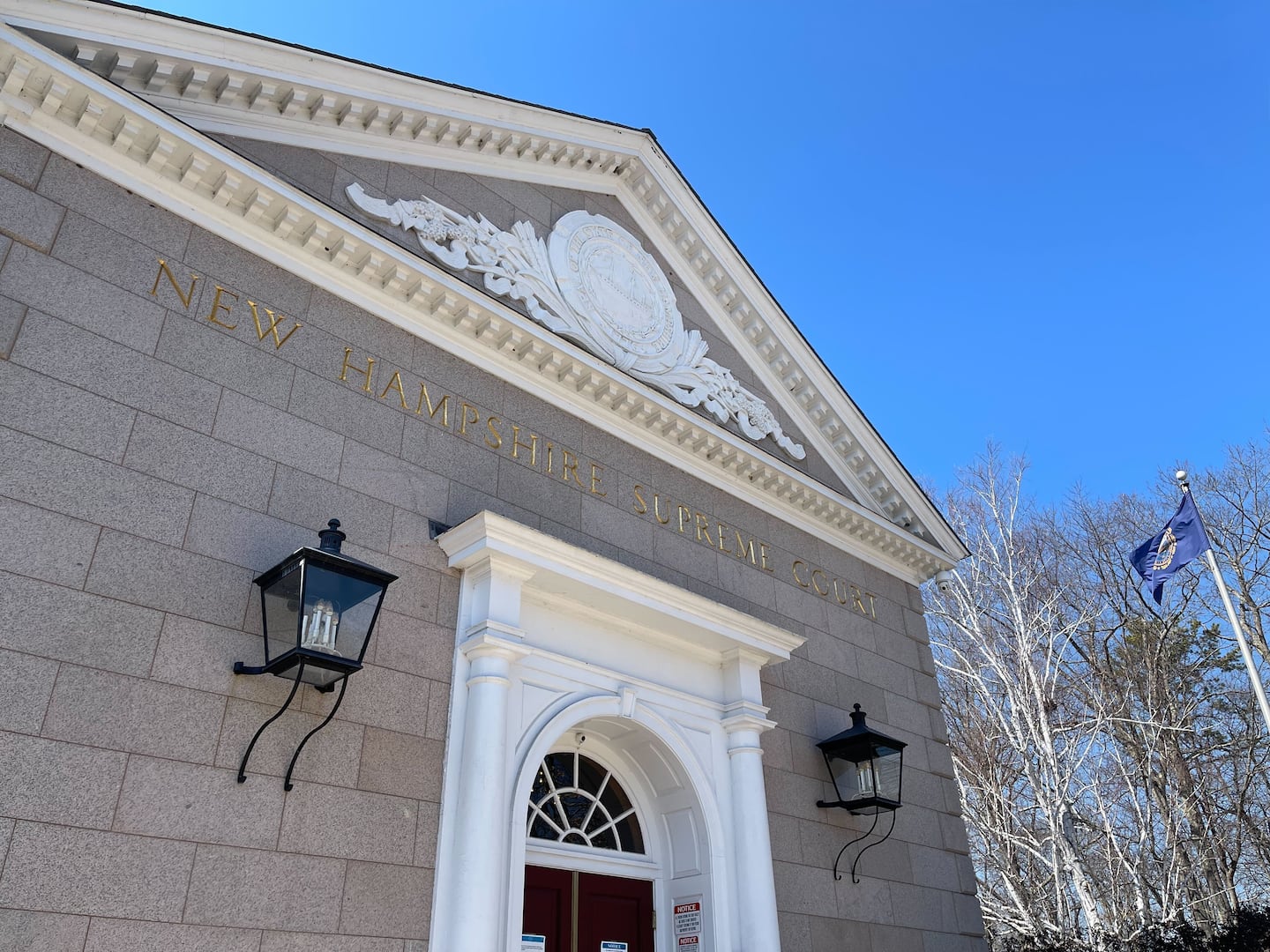
Seeking to clarify the constitutional question, Read appealed the lower court’s rulings. In June 2025, the New Hampshire Supreme Court declined to hear her interlocutory appeal. This decision returned the cases to the lower courts, requiring Read to proceed with the scheduled legal proceedings without immediate high court intervention.
In the Windham case, Read faces a deferred sentencing hearing scheduled for August. The $1,240 fine is contingent, with the possibility of a driver’s license suspension if she incurs another moving violation within two years. This conditional penalty emphasizes the ongoing legal ramifications of her conviction.
Dissecting ‘Arrest’ vs. ‘Citation’ Under Constitutional Law
A central legal argument revolves around the distinction between a physical arrest and a standard traffic stop. Law enforcement maintains that Read was neither physically arrested nor held to bail in either incident. The state’s position is that issuing a summons or citation does not equate to the prohibited detention contemplated by the constitutional privilege, which was historically aimed at preventing politically motivated physical incapacitation of legislators.
The defense’s broad interpretation suggests legislative privilege should shield lawmakers from any form of state-sanctioned impediment, including routine law enforcement stops. Conversely, prosecutors contend this interpretation would erode the principle of equal justice under the law. The courts have thus far concurred with the prosecution’s narrower view, distinguishing public safety traffic stops from constitutionally protected detentions.
The presence of a state representative license plate on Read’s vehicle is also a key factor. The defense argued this plate should have alerted officers to her status, thereby precluding the stops. This raises questions about the intended function of official plates: identification or an expectation of preferential treatment.
Broader Implications for Governance and Public Policy
For law enforcement, handling claims of legislative privilege during traffic stops presents practical and legal challenges. Officers must balance their duty to enforce safety laws, particularly in cases of extreme speeding, against potential legal repercussions for detaining a state official. The case highlights the need for clear judicial interpretation on how law enforcement should manage encounters with individuals claiming constitutional immunity on public roadways.
The legal proceedings coincide with Read’s campaign for reelection to the New Hampshire House of Representatives. The public nature of the high-speed incidents and her constitutional defense has intensified scrutiny on the conduct of elected officials. The case prompts broader discussions on whether constitutional privileges intended to safeguard democratic processes should shield actions that could endanger public safety.
Representative Read’s legal challenges ultimately test the boundaries of constitutional protections in contemporary society. The New Hampshire Supreme Court’s refusal to intervene early signals a judicial reluctance to broaden legislative immunity to encompass routine traffic violations. As the legal proceedings continue, this case serves as a crucial precedent at the intersection of legislative privilege, judicial authority, and public safety enforcement.