
Strategic Implications of Industrial Fire Incidents
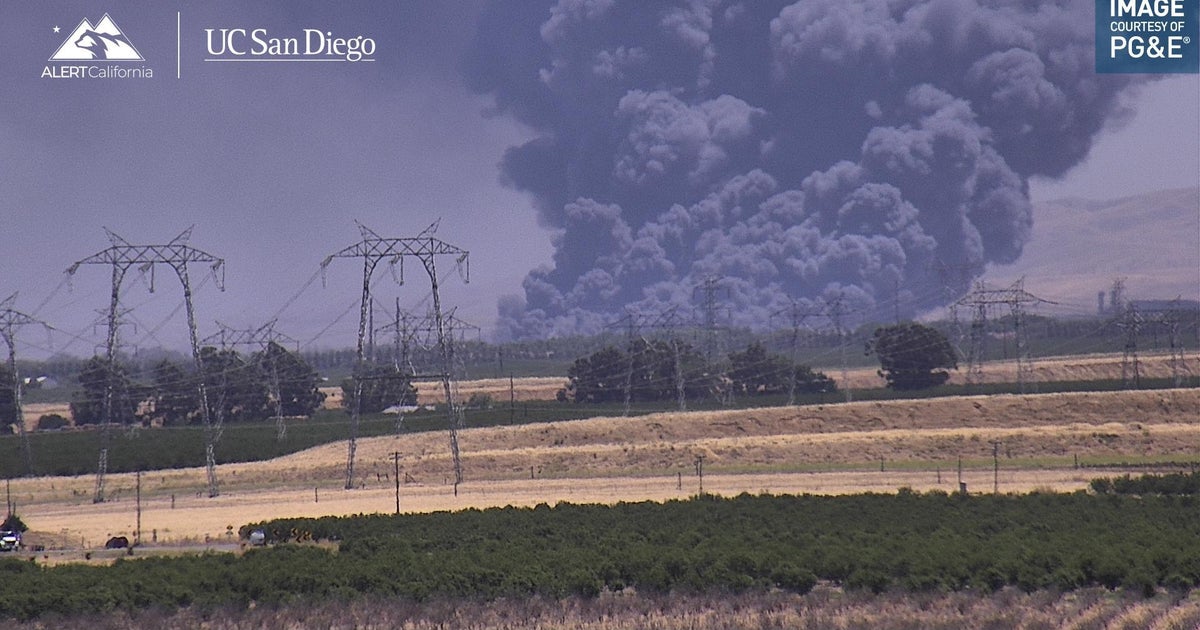
The third-alarm fire on Promontory Parkway in Tracy, California, presents a complex operational challenge, transcending standard structural firefighting. The presence of dense, black combustion plumes suggests high-fuel-load warehouse contents, necessitating specialized containment beyond conventional suppression methods.
For the San Joaquin County logistics sector, this incident underscores the fragility of high-density industrial zones. Such concentrations create a unique risk profile, where localized industrial failure triggers cascading supply chain disruptions and compromises regional throughput.
Emergency Response and Resource Orchestration
The reliance on multi-agency mutual aid highlights the intensity of the event and the necessity of cross-jurisdictional resource coordination. In industrial settings, the rapid deployment of high-capacity firefighting equipment is the primary factor in preventing fire spread to adjacent, high-value logistics nodes. The localized traffic restrictions on Promontory Parkway, coupled with the absence of county-wide evacuation orders, reflect a controlled, high-stakes operational management strategy.
Economic Exposure and Infrastructure Resilience
As a critical node in Northern California’s supply chain, the San Joaquin industrial corridor necessitates robust risk mitigation. This incident serves as a catalyst for re-evaluating fire suppression systems, hazardous material protocols, and egress planning. Beyond immediate property loss, the economic impact encompasses extended logistical downtime, upward pressure on industrial insurance premiums, and the long-term liabilities associated with environmental remediation.
Regulatory Oversight and Future Development
This event provides a empirical benchmark for assessing municipal fire safety standards and building code efficacy. Regulatory bodies are likely to examine whether existing mandates account for the risks inherent in modern, high-volume, automated warehousing. The aftermath will require rigorous safety audits, particularly concerning the storage of volatile materials that contribute to high-intensity thermal events. Ultimately, the incident forces a reassessment of the tension between rapid industrial expansion in the Central Valley and the local infrastructure’s capacity to manage systemic safety and environmental risks.

Photo by Michelle-Maria on Pixabay.