Group A Dynamics: A Foundational Clash in Guadalajara
The highly anticipated encounter between South Korea and the Czech Republic at Estadio Guadalajara serves as a pivotal opener for Group A in the 2026 FIFA World Cup. Positioned alongside host nation Mexico and South Africa, both teams face immediate, intensified pressure to secure points, as the strategic landscape of a host-inclusive group disproportionately penalizes early missteps. The unique competitive leverage of playing on home soil for Mexico inherently elevates the stakes for the other three contenders, transforming this initial fixture into a foundational determinant for knockout stage aspirations.
South Korea’s eleventh consecutive appearance on the global stage reflects a deep-rooted institutional experience and a continuity of systemic football development. This established World Cup identity provides a strategic baseline. Conversely, the Czech Republic’s return after a two-decade hiatus injects a distinct variable of competitive hunger and the imperative for rapid structural adaptation to elite tournament pressure. This divergence in their recent tournament legacies fundamentally shapes the strategic imperatives for both coaching staffs as they navigate a high-stakes competitive environment.
Estadio Guadalajara itself presents a critical environmental variable, operating at a moderate altitude that demands rigorous physical preparation and precise physiological management. Consequently, this match transcends a mere tactical contest, serving as an immediate stress test for the administrative foresight and sports science application within each football federation’s preparation model.
Physiological Engineering: South Korea’s Altitude Acclimatization Strategy
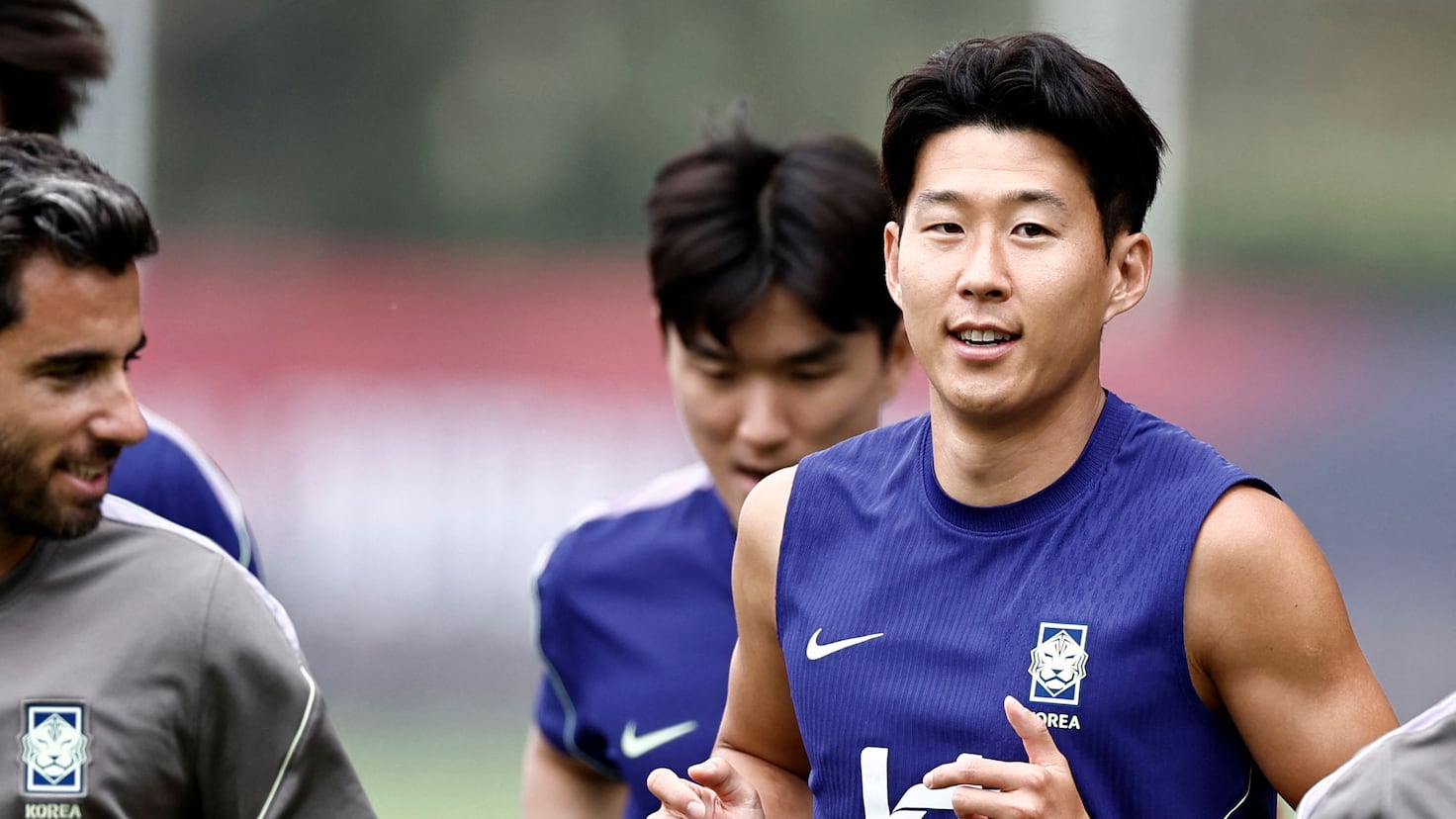
South Korea’s meticulous preparation for this fixture exemplifies a cutting-edge, data-driven approach to environmental adaptation, specifically engineered to mitigate the physiological challenges posed by Guadalajara’s altitude. Under the strategic direction of Myung Bo Hong, the Korean Football Association’s selection of Salt Lake City as their primary pre-tournament base was a calculated decision, informed by extensive sports science consultation identifying it as an optimal geographical proxy for the Mexican venue.
Salt Lake City’s elevation of approximately 1,460 meters above sea level precisely mirrors the atmospheric conditions and reduced oxygen partial pressure players will encounter in Guadalajara. Training at this simulated hypoxic environment is designed to stimulate erythropoiesis – increased red blood cell production – thereby enhancing oxygen transport capacity and cardiovascular efficiency. This proactive, longitudinal physiological conditioning is intended to confer a decisive physical advantage, particularly evident in the high-intensity demands of the match’s latter stages.
Further demonstrating their scientific rigor, the logistical planning extended to chronobiological optimization. Both Salt Lake City and Guadalajara share an identical fifteen-hour time difference from Seoul, allowing the South Korean delegation to simultaneously address circadian rhythm disruption (jet lag) and altitude acclimatization. This multi-faceted, meticulously planned institutional strategy underscores a modern commitment to marginal gains in sports science as a critical pathway to competitive leverage.
Contrasting Methodologies: Czech Republic’s Acute Acclimatization Challenge
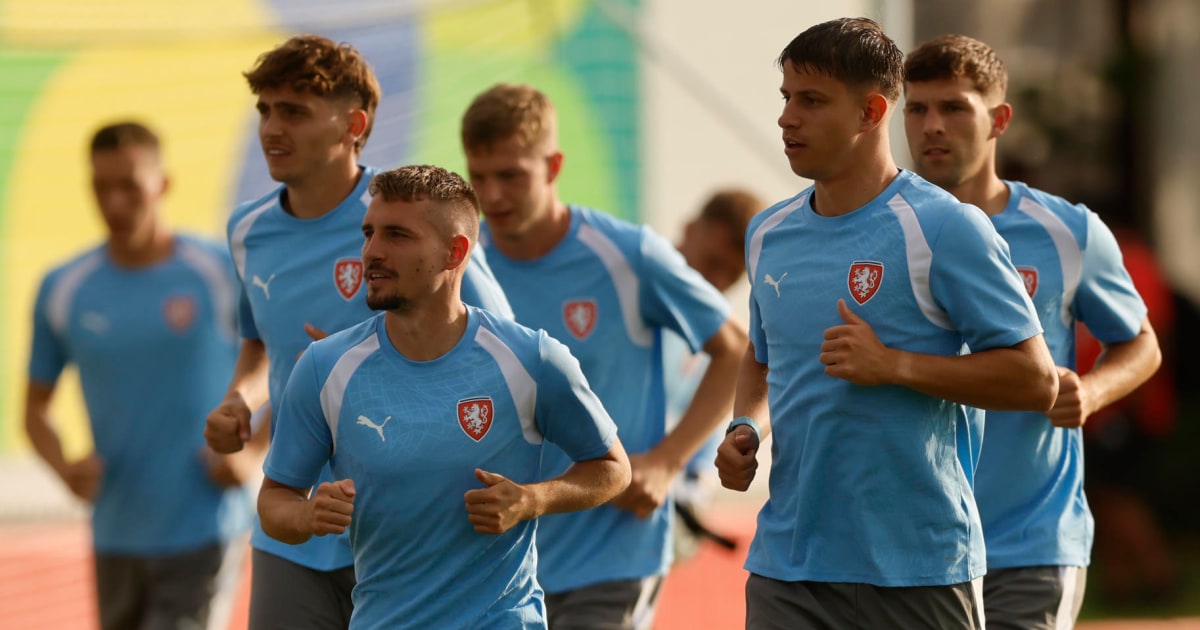
The Czech Republic’s approach to this Group A opener stands in stark contrast to South Korea’s prolonged acclimatization. The European delegation’s arrival at Guadalajara International Airport less than thirty-six hours before kickoff signifies a compressed timeline that offers minimal opportunity for the squad to physiologically adjust to the local climate, moderate altitude, and atmospheric density.
From a sports medicine perspective, immediate high-performance competition following long-haul air travel introduces significant physiological stressors, including acute altitude exposure, jet lag, elevated fatigue markers, and suboptimal muscle recovery kinetics. Head coach Miroslav Koubek’s staff faces the complex task of managing these variables, which may necessitate alterations to their tactical blueprint, potentially involving more conservative play, reduced pressing intensity, or earlier player rotations to conserve energy. This rapid ingress suggests a prioritization of maintaining established domestic training routines over an extended environmental adaptation phase.
This pronounced logistical disparity establishes a compelling analytical narrative concerning modern international football preparation models. While South Korea invested heavily in scientific forecasting and environmental replication, the Czech Republic prioritized continuity and minimizing travel-related disruption until entering the tournament bubble. The second-half physical performances of both teams will provide a direct, real-time evaluation of these divergent administrative and scientific philosophies.
Tactical Architectures: Individual Brilliance vs. Collective Synergy
The squad compositions of South Korea and the Czech Republic reveal fundamentally distinct philosophies in team construction and tactical organization. South Korea’s roster is punctuated by prominent global stars, predominantly operating in elite European leagues, who bring individual quality, high-level decision-making, and diverse elite experiences. Myung Bo Hong’s primary tactical challenge lies in seamlessly integrating these high-profile individual talents into a cohesive, high-performance system within the finite pre-tournament window, aiming to leverage their individual brilliance without compromising collective structure.
Conversely, Miroslav Koubek’s Czech Republic squad is built upon a deeply integrated domestic core, heavily reliant on players from Slavia Prague. This ‘club block’ strategy inherently offers significant advantages in terms of pre-established tactical familiarity, defensive synchronization, and intrinsic player chemistry. These players are accustomed to shared tactical frameworks, offering a collective synergy that can effectively compensate for a perceived lack of individual ‘star power’ on the international stage.
This collective foundation enables the Czech Republic to deploy a highly disciplined, compact defensive block, designed to be exceptionally difficult to penetrate and disrupt. The tactical battle in Guadalajara will likely feature South Korea attempting to exploit individual creative moments, rapid transitions, and verticality to unpick this well-drilled Czech defense. The efficacy of each approach will critically depend on South Korea’s ability to create and exploit space against a resilient collective, and whether the Czech squad can sustain their physical intensity and tactical discipline despite their minimal acclimatization period, especially in the demanding altitude.
Group A: Qualification Crucible and the Host Nation’s Leverage
The broader competitive context of Group A significantly amplifies the strategic calculations for both managers in this opening fixture. With Mexico enjoying the unparalleled psychological and logistical leverage of hosting matches on home soil, the imperative for the other three group members to secure points in their non-host fixtures becomes acutely magnified. A defeat for either South Korea or the Czech Republic in this inaugural match would severely compromise their pathway to the knockout rounds, creating immediate ‘must-win’ scenarios for subsequent fixtures.
Following this initial encounter, the Czech Republic faces additional geographical traversal challenges, requiring further travel to Atlanta, United States, to face South Africa, before returning to Mexico to play the host nation. This complex multi-city itinerary imposes a considerable administrative and physiological burden, demanding astute squad rotation and tactical flexibility from Miroslav Koubek’s side. An early positive result in Guadalajara is therefore not just desirable, but strategically essential to manage the physical demands and maintain morale across disparate locations.
For South Korea, securing three points in this opening match would provide crucial validation for their extensive scientific preparation and offer invaluable strategic optionality for their subsequent group stage fixtures. A victory would allow Myung Bo Hong greater flexibility in managing player workloads and tactical adjustments, mitigating the pressure ahead of potential high-stakes encounters. The outcome of this fixture will, therefore, not merely contribute to group standings but fundamentally dictate the strategic trajectory and risk appetite of both teams for the remainder of their FIFA World Cup campaign.
Federation Methodologies: A Concluding Synthesis
The organizational magnitude of the FIFA World Cup 2026 underscores the immense operational complexity faced by participating federations. Beyond on-pitch tactics, success is increasingly tied to the efficiency of behind-the-scenes logistical coordination – managing inter-city travel, optimizing recovery environments, and ensuring seamless transitions across varied host nation infrastructures. The meticulous administrative execution directly impacts player well-being and, consequently, on-pitch performance, highlighting the integral role of institutional infrastructure.
As the Czech Republic delegation finalizes its preparations in Guadalajara, the immediate focus shifts from extensive administrative logistics to athletic execution. The compelling contrast between South Korea’s data-driven, scientifically engineered pre-acclimatization strategy and the Czech Republic’s reliance on collective cohesion, despite a truncated adaptation window, establishes this match as a premier analytical study in modern football strategy. The structural, physiological, and tactical decisions implemented by both federations, informed by their distinct methodologies, will find their ultimate, definitive validation on the high-altitude pitch of Estadio Guadalajara.