
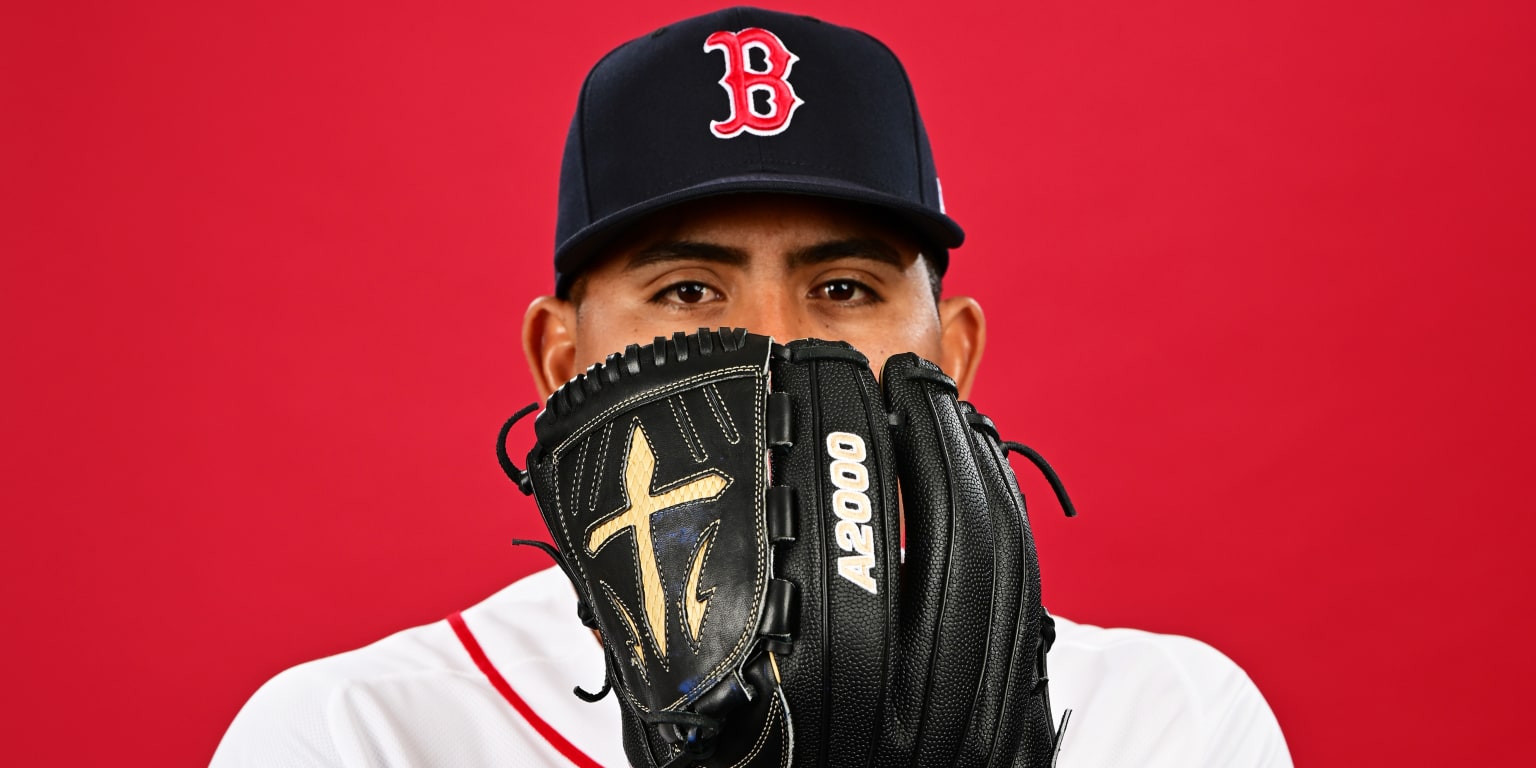
Strategic Capital Allocation in Boston’s Pitching Rotation
The Boston Red Sox’s recent roster maneuvers reflect a deliberate, capital-intensive strategy aimed at securing postseason viability. By committing $130 million to Ranger Suarez, the organization has pivoted to bolster the rotation behind ace Garrett Crochet, seeking to mitigate the volatility inherent in long-term pitching performance.
This financial commitment follows the November acquisition of Sonny Gray, illustrating a front-office mandate to transition from a developmental phase into a competitive, win-now posture. The strategic intent is to sustain performance through the rigors of October, acknowledging the structural requirements for deep playoff contention.
Operational Challenges in Early Season Execution
The performance gap exhibited against the Houston Astros highlights the friction between long-term strategic planning and short-term execution. Outscored 17-3 across the initial series games, the Red Sox are currently contending with an offensive and defensive deficit that threatens early-season momentum.
Conversely, the Astros have leveraged an elite offensive approach to secure a four-game winning streak, consistently producing at least eight runs per game. This surge places immediate, high-leverage pressure on the Boston pitching staff, which is currently tasked with stabilizing a rotation searching for rhythm.
The Institutional Significance of the Suarez Debut
Ranger Suarez’s upcoming debut serves as a critical evaluation of the team’s offseason personnel strategy. Having maintained a 3.59 ERA and a 117 ERA+ over 104 starts from 2022-25, Suarez is expected to anchor the rotation. The institutional weight of this acquisition is compounded by his postseason track record, specifically a 1.48 ERA over 42 2/3 innings, signaling a capacity for high-leverage performance.
Competitive Dynamics and Bullpen Management
Houston’s dominance is underscored by efficient bullpen management, notably Cody Bolton’s three-inning save in the second game. Manager Joe Espada’s ability to preserve depth while securing wins grants the Astros a distinct competitive advantage. In contrast, Boston is forced to rely on the debut of a high-value asset to reverse a trend of underperformance, illustrating the cascading effects of early-season results on managerial decision-making.
Financial Leverage and Performance Expectations
The aggressive pursuit of veteran pitching talent is a response to the market reality that postseason success is predicated on rotation depth. The significant payroll outlay for Suarez and Gray places the burden of proof on these acquisitions to deliver immediate results. If the rotation fails to stabilize, the efficacy of the organization’s capital allocation will face increased scrutiny; conversely, a strong debut from Suarez could validate the front office’s strategic pivot.

Photo by hellosoyeon on Pixabay.