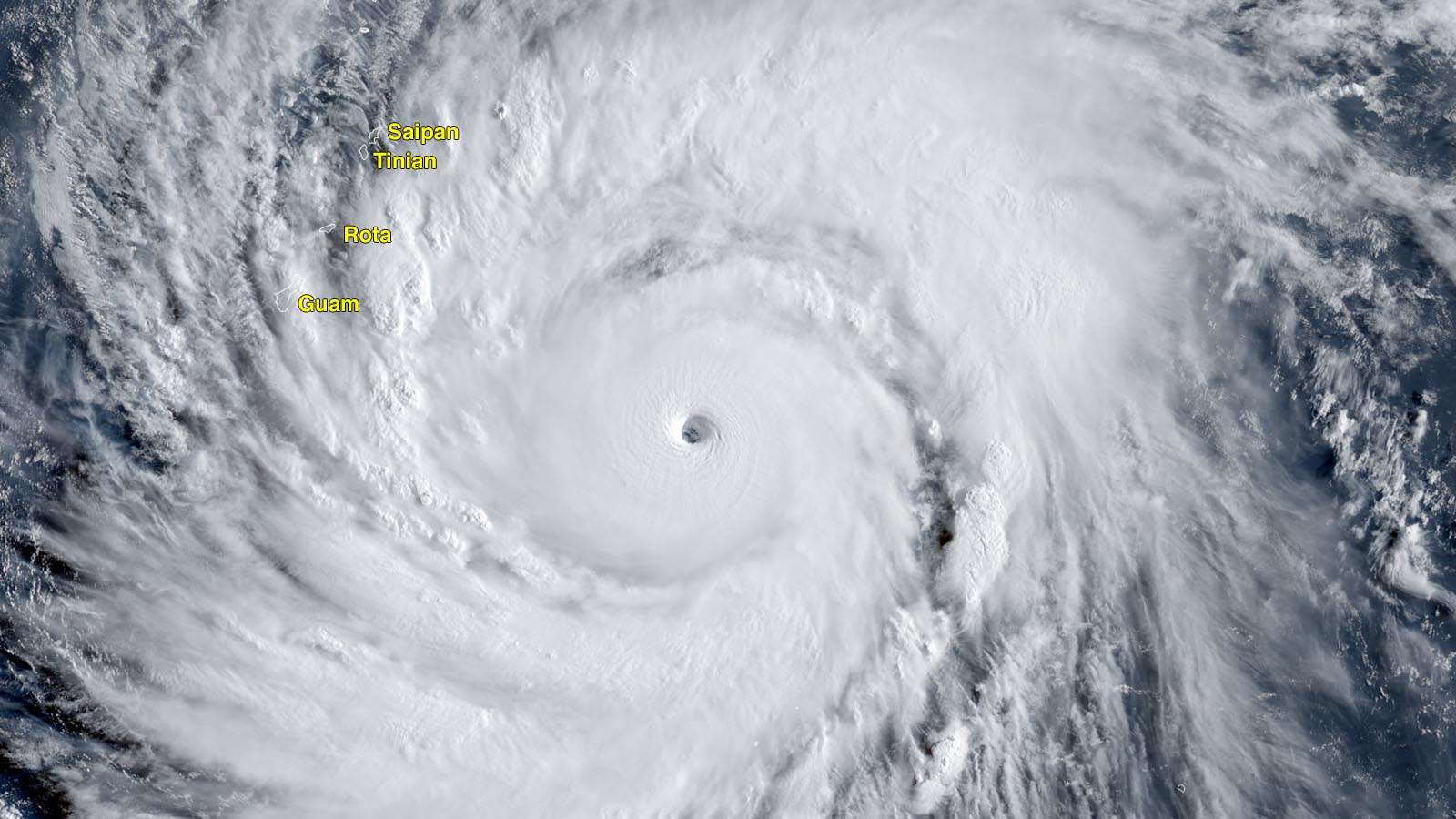
The intensification of Super Typhoon Sinlaku into a Category 5 system in April 2026 constitutes a profound climatological anomaly, disrupting historical periodicity in the Western Pacific. Reaching peak sustained winds of 185 mph, Sinlaku represents a rare convergence of high oceanic heat content (OHC) and low vertical wind shear, transforming a standard low-pressure cell into the year’s most potent atmospheric event within a 48-hour window. This acceleration suggests a fundamental shift in the regional thermal gradient, necessitating a re-evaluation of predictive modeling for the 2026 season.
Tactical Divergence in Meteorological Reporting
Operational coordination is complicated by the variance between the Joint Typhoon Warning Center (JTWC) and the Japan Meteorological Agency (JMA). While the JTWC recorded 1-minute sustained peaks of 185 mph, the JMA reported a 10-minute average of 135 mph. This delta is not merely technical; it influences the threshold for military ‘Condition of Readiness’ (COR) shifts and commercial maritime insurance triggers. For stakeholders in the Micronesian corridor, these discrepancies require a nuanced synthesis of data to mitigate the risk of logistical paralysis during rapid-onset events.
Geostructural Vulnerability of the Guam Hub
Guam serves as the primary node for Western Pacific telecommunications and defense logistics. A direct impact from Sinlaku—with projected gusts exceeding 170 mph—threatens the integrity of hardened infrastructure and subsea cable landings. The Guam Office of Civil Defense has pivoted toward a ‘worst-case’ posture, recognizing that the storm’s expansive wind field generates destructive forces far beyond the geographic eye. In the Northern Mariana Islands, the disruption of just-in-time supply chains poses an acute risk to food security and energy stability in isolated municipal districts.
Macroeconomic and Actuarial Implications
Sinlaku’s 905 hPa central pressure establishes a new benchmark for early-season volatility. From an institutional perspective, the event mandates a recalibration of actuarial models governing U.S. territorial assets. The premature arrival of a maximum-intensity system indicates that the traditional maintenance windows for power grids and transportation hubs are contracting. Consequently, the fiscal burden of disaster mitigation must transition from a seasonal allocation to a year-round operational expenditure to account for the increased frequency of high-energy cyclogenesis.
Technological Forecast Constraints
The reliance on the University of Wisconsin CIMSS Maximum Potential Intensity (MPI) metrics underscores the critical role of real-time satellite data in civil defense. Sinlaku’s proximity to its theoretical MPI limit suggests an environment perfectly optimized for kinetic energy conversion. As the 2026 season progresses, the institutional bandwidth of the JMA and JTWC will be tested, requiring a proactive integration of automated early-warning systems to manage the narrowing lead times between storm formation and catastrophic landfall.