
Judicial Scrutiny Intensifies Over White House Tariff Refund Compliance
The White House confronts an escalating legal challenge concerning its adherence to court-ordered tariff refunds, notably a Court of International Trade (CIT) hearing initially seeking direct testimony from US Customs and Border Protection (CBP) chief Rodney Scott. This judicial demand is not merely procedural; it directly underscores the inherent tension between executive branch administrative discretion in tariff collection and judicial oversight ensuring compliance with established legal frameworks for trade duties. The federal appeals court’s support for the administration’s objection to Scott’s personal testimony highlights a strategic maneuver: managing visibility and direct accountability of senior officials in this contentious refund process.
The administration’s vigorous efforts to control the narrative—manifested in legal maneuvers to potentially delay the hearing or substitute Scott with a subordinate—reflect a calculated strategy. This approach aims to minimize direct exposure to critical judicial scrutiny and uphold executive prerogative in trade policy implementation, even as the operational complexities and potential liabilities of managing large-scale tariff collections and subsequent refund mandates become increasingly apparent. The outcome of these legal skirmishes will set crucial precedents for the enforcement of judicial mandates against executive agencies.
Key Economic Data to Unveil Tariff Refund Disbursements and Market Shifts
Forthcoming government releases, including May’s tariff revenues and April’s trade deficit figures, are poised to offer critical quantitative insights into the actual scale and economic impact of tariff refunds. These pivotal data points will provide an objective assessment of the White House’s financial commitment and operational efficacy in processing over $20 billion in court-ordered obligations, quantifying the disparity between mandated refunds and actual disbursements. This will be a crucial metric for evaluating the administration’s compliance.
Simultaneously, the April trade deficit data will illuminate importer behavior, specifically revealing how inventory levels are being adjusted in anticipation of new, permanent tariffs slated for implementation later this summer. This forward-looking indicator is vital for understanding immediate market responses to evolving trade policies, offering a tangible measure of strategic decisions businesses are making to mitigate potential cost increases and supply chain disruptions. Together, these releases will move beyond legal disputes to provide concrete economic realities for both government and private sectors.
White House Dual Strategy: Deflecting Scrutiny While Entrenching New Tariffs
The White House’s approach to tariff refunds, characterized by resistance to direct high-ranking testimony, reveals a strategic imperative: to control the narrative and execution of trade policy while insulating the administration from direct accountability for perceived operational shortcomings. This defensive legal posture converges with a proactive, long-term trade agenda marked by the impending imposition of new, permanent duties later this summer. This shift represents a significant escalation, moving beyond temporary trade measures to establish a more entrenched system of trade taxation.
This dual strategy—managing immediate legal and financial obligations concurrently with advancing broader trade protectionist goals—carries substantial implications. Import-reliant industries face potentially increased costs for consumers, necessitating profound strategic realignments in global supply chains. For businesses, this creates a complex and volatile environment demanding agile adaptation to both ongoing refund disputes and the prospect of a permanently altered, more protectionist tariff landscape.
Market Adaptation and Stakeholder Response Amidst Tariff Volatility
The anticipation of new, permanent tariffs later this summer is compelling importers and trade-dependent businesses to undertake significant strategic adjustments. These recalibrations include optimizing inventory management, actively diversifying sourcing locations, and likely passing increased operational costs onto consumers, thereby influencing broader market dynamics and contributing to inflationary pressures. Such proactive measures underscore market participants’ efforts to mitigate the financial impact of sustained trade protectionism.
The government’s efficiency in processing and disbursing the over $20 billion in court-ordered tariff refunds directly dictates the financial liquidity and operational planning capabilities of importing entities. Prompt refunds can alleviate substantial financial strain, fostering business resilience; conversely, protracted administrative delays can severely exacerbate cash flow challenges, particularly for small and medium-sized enterprises (SMEs) with tighter margins and less access to capital.
A diverse array of stakeholders—from industry associations and large corporations to consumer advocacy groups—are closely monitoring these developments. Their collective engagement and potential lobbying efforts will be instrumental in shaping future policy discussions and potentially instigating further legal challenges, reflecting a deep vested interest in the transparency, economic equity, and long-term viability of the administration’s tariff and refund policies.
Enduring Implications: Redefining U.S. Trade Policy and Executive Authority
This ongoing confluence of judicial challenges and executive actions on tariff refunds underscores a persistent structural tension within U.S. trade policy: the executive branch’s expansive authority to impose tariffs frequently encounters robust judicial review and significant practical implementation hurdles. The administration’s assertive defense against judicial mandates, coupled with its management of complex refund obligations, represents a broader pattern of reasserting and consolidating executive control over critical trade instruments.
The strategic move towards imposing new, permanent tariffs signals a potential paradigm shift, embedding protectionist measures more deeply into the nation’s long-term economic framework. This pivot away from more flexible, responsive trade policies toward a potentially more rigid and enduring structure will undoubtedly influence international trade relations, global supply chain configurations, and domestic economic competitiveness for years to come.
Ultimately, the outcomes of these legal battles and the insights derived from upcoming economic data releases are not merely isolated events. They will provide profound insights into the efficacy, sustainability, and constitutional boundaries of the current administration’s evolving trade strategy, fundamentally redefining the interplay between executive power, judicial oversight, and the U.S. business community in the realm of international commerce.

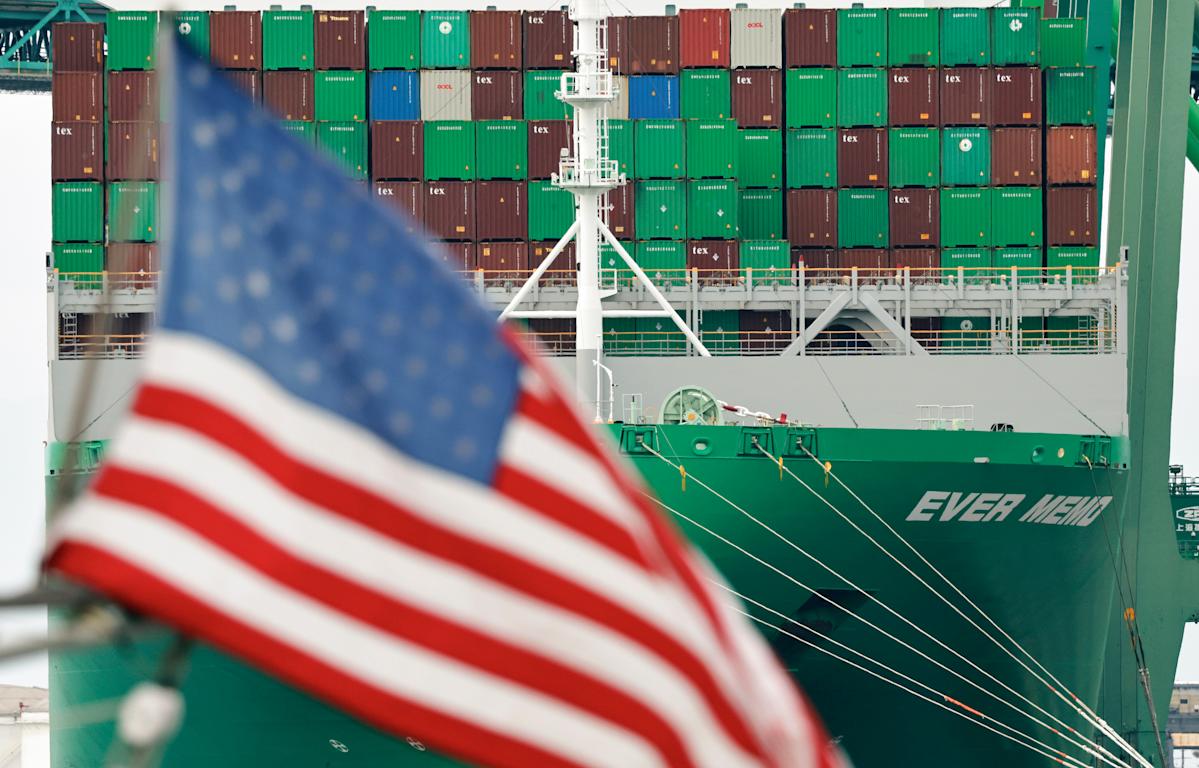
Photo by ptrabattoni on Pixabay.