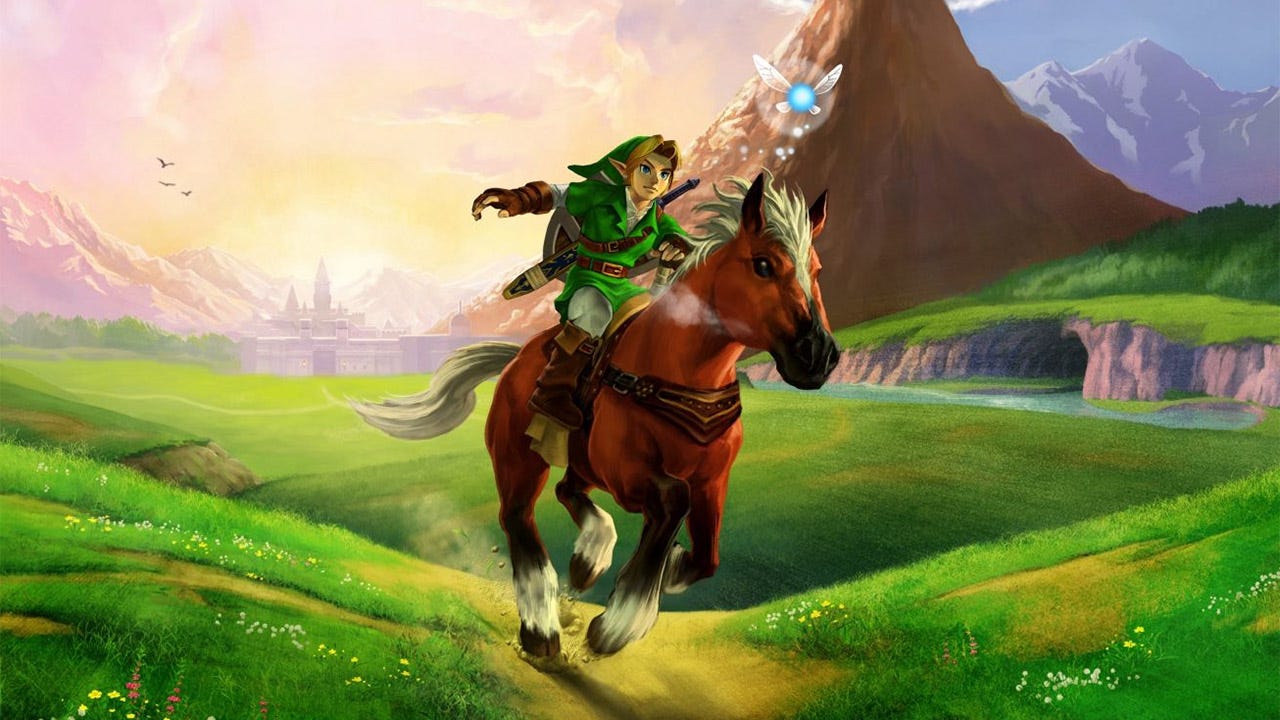
Strategic Significance of the Ocarina of Time Remake
Nintendo’s formal announcement of a remake for The Legend of Zelda: Ocarina of Time, scheduled for a 2026 release on the Switch 2, represents a calculated effort to anchor the platform’s early lifecycle with high-equity intellectual property. By revitalizing a cornerstone of 3D game design, Nintendo is leveraging institutional nostalgia to drive hardware adoption during the console’s critical post-launch window.
The shift toward high-fidelity visual assets marks a departure from the stylized, cell-shaded aesthetic of the Breath of the Wild era. This transition suggests that the Switch 2 hardware prioritizes modern lighting and texture rendering, positioning the console to bridge the gap between Nintendo’s unique art philosophy and the technical performance expectations of the high-definition market.
Franchise Milestones and Market Longevity
The 2026 release coincides with the 40th anniversary of the Zelda franchise, providing a natural promotional narrative. By centering this celebration around a title that defined 3D adventure mechanics, Nintendo reinforces brand continuity while introducing legacy content to new demographics. Unlike previous ports for the Nintendo 64, GameCube, or 3DS, this remake represents a fundamental structural and visual overhaul designed to showcase new hardware capabilities.
Competitive Positioning and Financial Strategy
By revisiting foundational mechanics—such as the target-lock system and context-sensitive input mapping—Nintendo is re-asserting its influence on industry conventions. From a fiscal perspective, this remake functions as a high-reward asset that mitigates the inherent volatility of launching new IP. Utilizing a proven narrative framework allows developers to focus on technical optimization and visual fidelity, ensuring the title meets the performance benchmarks required for the Switch 2 platform.
Consumer Expectations and Technical Evolution
Initial reception to the reveal highlights the complexities of modernizing a culturally significant work. While public discourse currently focuses on character model fidelity, the long-term success of the title will depend on the balance between preserving the original experience and integrating modern gameplay loops. The 2026 release window implies a tiered software rollout strategy, ensuring sustained consumer engagement as the console matures.
Ultimately, the Ocarina of Time remake serves as a strategic instrument to solidify the Switch 2’s market position. By pairing deep-seated brand loyalty with contemporary technical execution, Nintendo is positioning its core franchises as the primary catalysts for institutional growth and long-term hardware dominance.