NYC Schools Set to Reopen as City Recovers from Winter Storm
New York City public schools are scheduled to resume in-person learning on Tuesday, marking a return to normalcy for students and families after a powerful winter storm swept through the region. The announcement came as city officials, led by Mayor Zohran Mamdani, intensified efforts to clear streets and restore essential services.
Citywide Plows Tackle Snow-Covered Streets
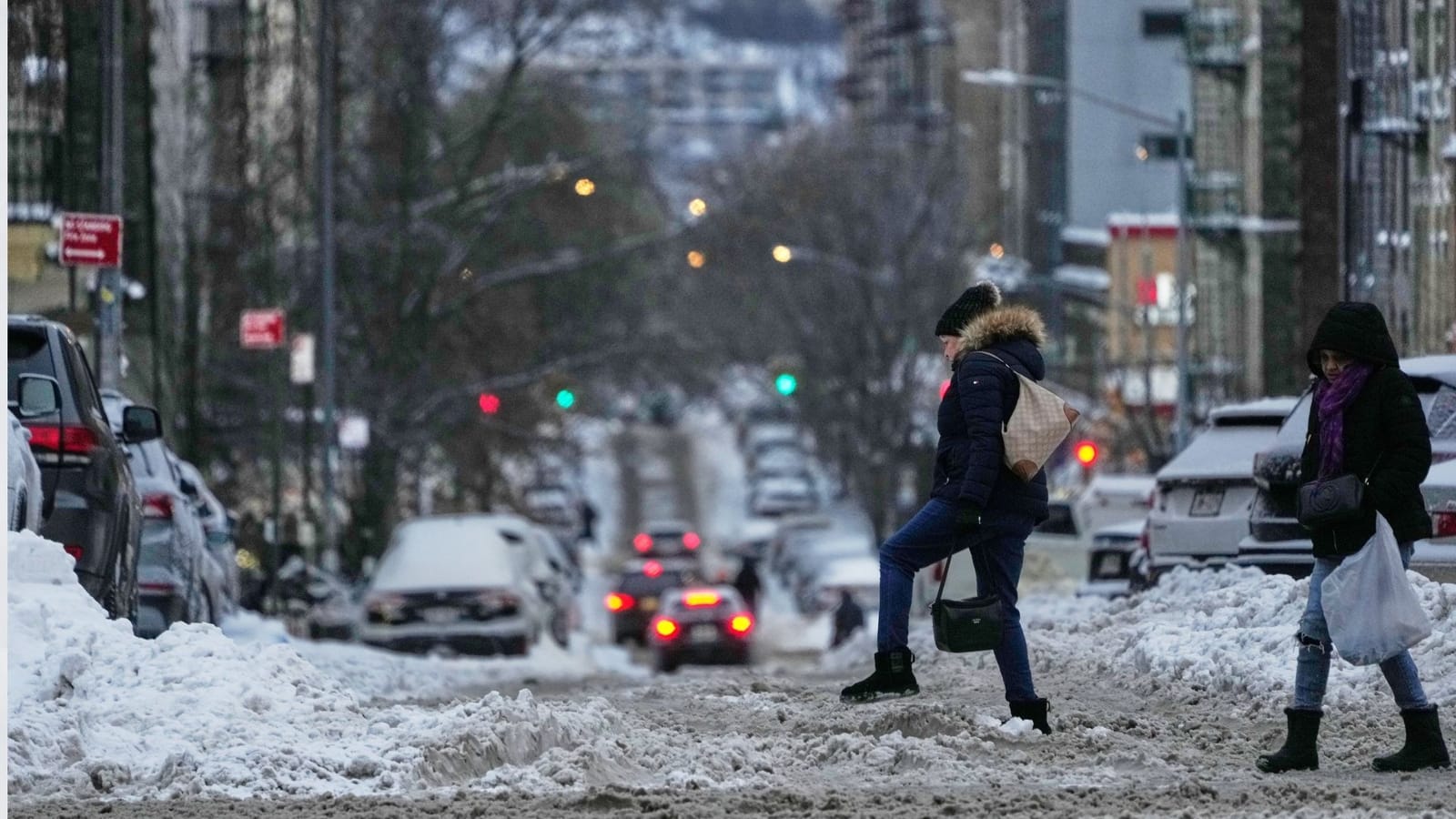
Mayor Mamdani reported significant progress in clearing the city’s roadways, stating that “every street was plowed.” This extensive plowing operation is crucial for ensuring safe commutes for students, teachers, and staff returning to school buildings. The effort aims to fully restore city operations and mitigate the disruption caused by the heavy snowfall.
Why This Matters: Resilience and Routine
The reopening of schools signifies more than just a return to the classroom; it represents the city’s resilience in the face of adverse weather. Disruptions to education have far-reaching consequences, impacting not only students’ academic progress but also parents’ ability to work and the broader economic activity of the city.
The swift action to clear streets and reopen schools demonstrates a commitment to minimizing the educational and economic fallout from severe weather events. This is particularly important for a city like New York, where public schools serve millions of students and are a cornerstone of daily life.
Broader Trends: Climate Change and Urban Preparedness
This winter storm and the subsequent citywide response fall within a broader context of increasingly unpredictable weather patterns attributed to climate change. Cities worldwide are grappling with the challenge of maintaining infrastructure and essential services during extreme weather events, whether they be blizzards, heatwaves, or floods.
The effectiveness of urban preparedness strategies, including snow removal, public transportation resilience, and emergency response coordination, is under constant scrutiny. New York City’s ability to recover quickly from this storm provides a case study for other metropolitan areas facing similar climate-related challenges.
A Contested ‘Snow Day’
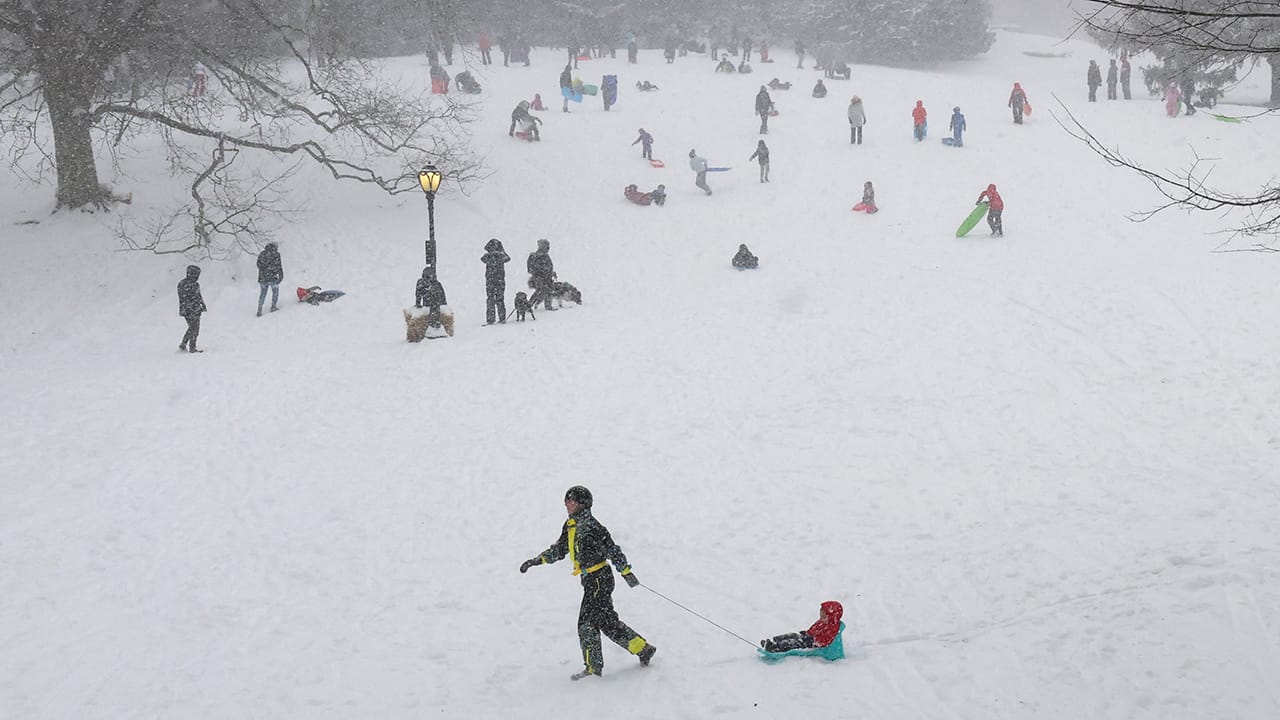
While the city moves towards recovery, the decision to close schools has sparked debate. Some observers and parents have voiced opinions that the closures, particularly the cancellation of a traditional “snow day,” may have deprived children of a unique childhood experience. An opinion piece highlighted this sentiment, suggesting that the city may have “robed kids of a snow day.”
These discussions often surface after significant snowfalls, balancing the practical necessities of safety and operational continuity against the cultural and emotional significance of unexpected school closures for children. The intensity of the storm versus the perceived need for immediate return to routine is a common point of contention.
Looking Ahead: Future Preparedness
As New York City resumes its normal rhythm, the focus shifts to evaluating the effectiveness of its winter storm response. Lessons learned from this event will likely inform future emergency planning and resource allocation for snow management and other weather-related contingencies.
The ability of the city to rapidly clear its streets and reopen its schools is a testament to the planning and dedication of its public servants. Continued investment in infrastructure and adaptive strategies will be key to navigating the challenges posed by a changing climate and ensuring the city’s operational resilience.
Wider Regional Impact
The winter weather did not solely affect New York City. Schools across the broader tri-state area, including New Jersey and Connecticut, also experienced closures or schedule adjustments on Monday, January 26th. This widespread impact underscores the regional nature of severe winter weather and the coordinated efforts required to manage its effects.
The decision-making process for school closures in these surrounding areas often mirrors that of New York City, balancing safety concerns with educational continuity. The widespread disruption highlights the vulnerability of established routines to extreme weather conditions across densely populated regions.