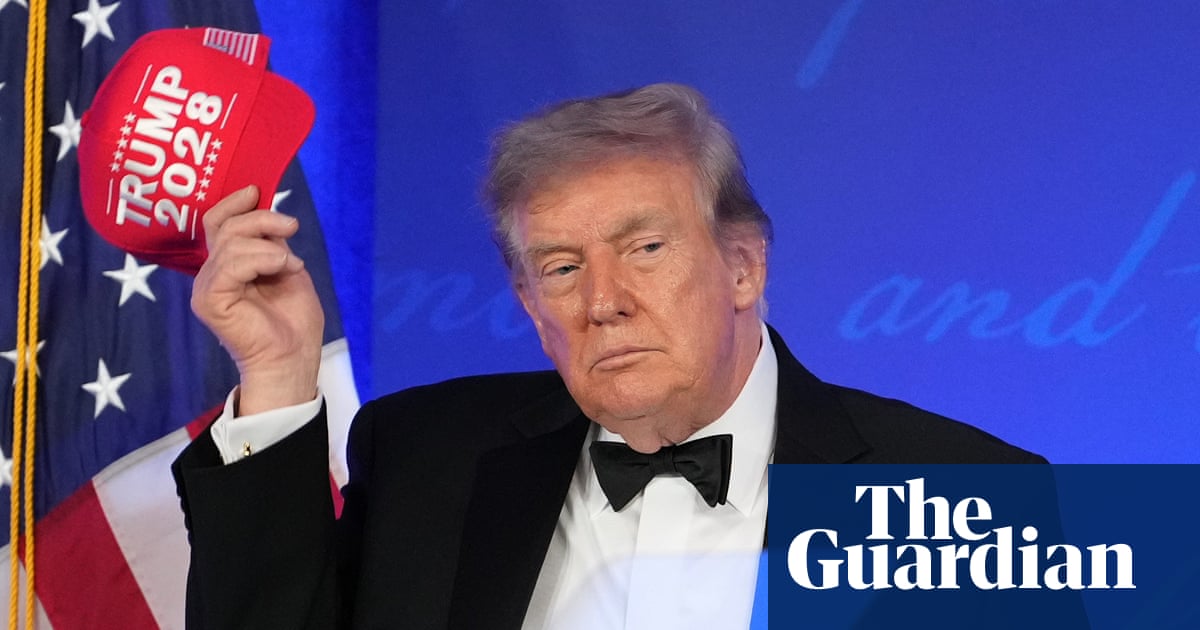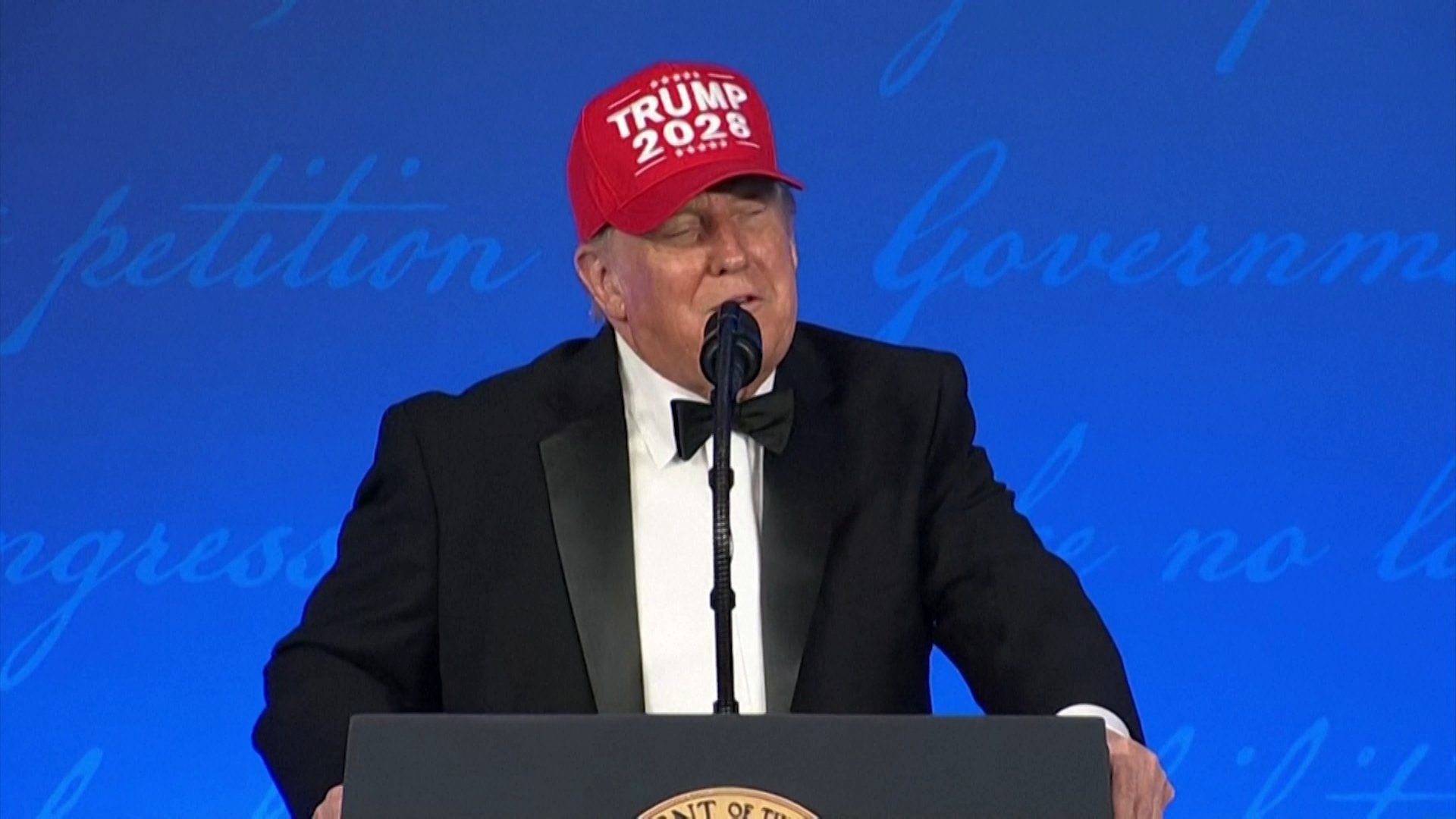
Donald Trump’s suggestion of a 2028 presidential run introduces immediate friction into the constitutional and legal frameworks governing executive term limits in the United States. While delivered within a lighthearted address, such declarations force constitutional scholars and political strategists to evaluate electoral eligibility. By raising the prospect of terms beyond the Twenty-Second Amendment, the administration shapes public discourse around institutional longevity and executive succession.
This development unfolded against an altered security landscape following a threat at the original Washington Hilton venue, forcing the annual White House Correspondents’ Dinner to relocate to the Waldorf Astoria. The venue transition highlights the operational risks attending high-profile political gatherings and alters the traditional scale of executive-press engagement.
Media Ecosystem and Institutional Friction
The juxtaposition of aggressive legal maneuvers against news organizations with the president’s physical attendance at a celebration of press freedom underscores a complex operational dynamic. Just days prior to the dinner, the administration abandoned a bid to subpoena reporters, signaling a tactical pivot in its ongoing confrontation with institutional journalism.
During his address, the president balanced sharp criticism of media organizations with intermittent praise, illustrating a dual communication strategy. By labeling critical reporting as inaccurate while acknowledging the role of journalists, the administration reinforces its populist messaging framework, compelling media outlets to continuously recalibrate their reporting strategies.
Strategic Foreign Policy Assertions
The integration of foreign policy declarations into a domestic ceremonial address demonstrates how the administration leverages diverse forums to project geopolitical resolve. Asserting that ongoing military engagements in the Middle East were proceeding favorably directly to domestic and international reporters bypasses traditional diplomatic channels to shape global narrative positioning.
Market participants and international observers must interpret these public assertions against actual operational outcomes in regions where strategic stability impacts energy markets and security architecture. Delivering high-stakes geopolitical updates alongside electoral declarations creates a complex communication environment for foreign policy stakeholders.
Constitutional Boundaries and Electoral Precedents
Public pronouncements regarding a fourth term directly challenge the Twenty-Second Amendment, which restricts individuals to two presidential terms. Although political figures frequently utilize unconventional rhetoric to rally supporters, public testing of constitutional guardrails carries significant weight for institutional stability.
The long-term implications extend to party machinery, donor networks, and prospective successor candidates. By signaling an intent to influence multiple future cycles, the administration complicates strategic planning and coalition-building across the political spectrum, signaling ongoing institutional realignment.