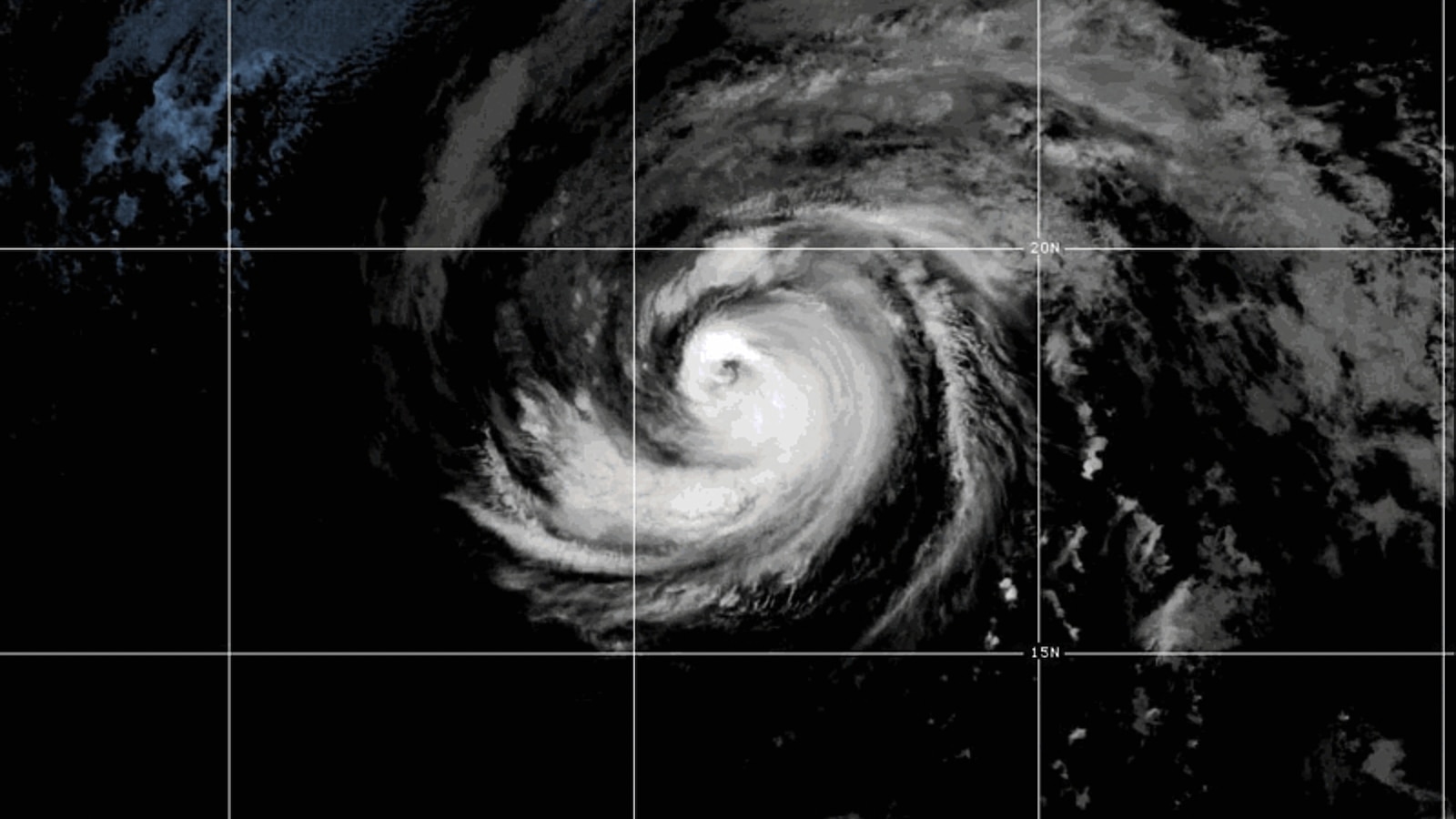
Fausto Intensifies, Threatens Hawaiian Islands
Hurricane Fausto has intensified to a Category 2 storm in the Pacific Ocean, projected to approach the Hawaiian Islands next week. The National Hurricane Center (NHC) in Miami has identified an increasing risk of wind and rainfall impacts for the region, though specific track and intensity remain subject to forecast variability. This situation necessitates heightened vigilance from residents and emergency management agencies across Hawaii.
As of the latest advisory, Fausto was located approximately 1,300 miles west of the Baja California peninsula and 1,600 miles east of Hilo, Hawaii. It was sustaining maximum winds of 100 mph, with potential for further strengthening. The storm’s evolving trajectory and intensity are critical factors for regional preparedness and resource allocation.
Beyond its direct threat to Hawaii, Hurricane Fausto is generating swells that could produce life-threatening surf and rip currents along portions of the southern California coast, illustrating the widespread influence of major Pacific storm systems.
Tropical Storm Genevieve Forms in Eastern Pacific
Concurrently, Tropical Storm Genevieve has formed in the eastern Pacific Ocean, located to the west of Fausto’s current position. The emergence of this second significant weather system underscores the active conditions within the basin and adds complexity to regional forecasting.
Genevieve was situated roughly 570 miles south of Zihuatanejo, Mexico, with maximum sustained winds around 50 mph. While currently weaker than Fausto, its formation indicates a favorable environment for tropical cyclogenesis in the region.
Fausto’s Projected Track and Potential Hawaiian Impacts
Despite its current strength, Hurricane Fausto is forecast to gradually weaken as it traverses the Pacific. The NHC anticipates that interactions with cooler ocean waters and drier atmospheric conditions will diminish the storm’s intensity prior to its expected arrival near Hawaii. This predicted weakening is a key element in assessing the potential severity of impacts on the islands.
Current forecasts suggest Fausto may reach the Hawaiian Islands as a significantly weaker tropical storm or potentially a remnant low. Nevertheless, even diminished systems can bring substantial rainfall and generate hazardous surf, particularly on eastern and northeastern-facing shores. The projected timeline for these potential impacts is Tuesday night into Wednesday, though forecast models remain dynamic.
The possibility of heavy rainfall and high surf warrants proactive measures by local authorities and the public. Understanding the range of potential outcomes, from a minimal tropical storm to a post-tropical remnant, is essential for effective disaster preparedness and response planning.
Operational and Strategic Implications for Hawaii
The potential approach of Hurricane Fausto poses a significant operational and strategic challenge for Hawaii. State and county emergency management agencies are activating preparedness protocols, including coordination with federal agencies, staging emergency supplies, and communicating potential risks to the public. The inherent uncertainty in storm track and intensity demands a flexible and adaptable response strategy.
Economically, the threat of a hurricane, even a weakened one, can disrupt tourism and local businesses through cancellations and closures. Heavy rainfall and high surf can also damage infrastructure and affect supply chains, impacting the islands’ economic resilience.
From a resource management standpoint, the presence of multiple tropical systems in the Pacific basin can strain regional forecasting and response capabilities. However, current forecasts indicate Genevieve poses no direct threat to Hawaii, allowing primary focus on Fausto’s trajectory.
Forecasting Challenges and Pacific Weather Patterns
The simultaneous development of Hurricane Fausto and Tropical Storm Genevieve highlights the complex and active nature of the eastern Pacific hurricane season. These events are driven by a combination of atmospheric and oceanic conditions, including sea surface temperatures and wind shear profiles.
Accurately forecasting the precise track and intensity of tropical cyclones remains a complex challenge for meteorologists. The interaction of these storms with their surrounding environment, such as the cooler waters and dry air expected to affect Fausto, can lead to rapid changes in storm structure and strength. Continuous data assimilation and model refinement are crucial for providing timely and accurate advisories.
The NHC and other meteorological organizations utilize a network of satellites, aircraft reconnaissance, and ground-based observations to monitor these systems. The accuracy and timeliness of this data are fundamental to the reliability of forecasts, which inform critical public safety decisions and resource deployment strategies.
Comparative Context and Historical Data
While this report details current events, the patterns of tropical cyclone formation and intensification in the Pacific are influenced by broader climatic factors and historical trends. Understanding these precedents provides valuable context for assessing the current season’s activity.
The Pacific Ocean is a prolific source of tropical storms and hurricanes. The paths and intensities of these systems are affected by large-scale phenomena like El Niño-Southern Oscillation (ENSO) cycles, which can alter sea surface temperatures and atmospheric circulation patterns. These drivers can lead to periods of heightened or reduced tropical cyclone activity.
Hawaii’s strategic location in the central Pacific makes it uniquely susceptible to these weather systems. Its isolation necessitates a robust, self-sufficient disaster preparedness framework, as external aid can face significant logistical challenges reaching the islands promptly.
Media and Public Communication Strategies
The reporting of Hurricane Fausto and Tropical Storm Genevieve underscores the vital role of meteorological agencies and news outlets in disseminating critical information to the public. Clear, accurate, and timely communication is paramount for ensuring public safety and facilitating effective response measures.
NHC advisories serve as the primary source of official information, offering detailed analyses of storm characteristics, projected paths, and potential impacts. News organizations translate this technical data into accessible formats, emphasizing actionable advice for residents and businesses.
Effective public communication must address the inherent uncertainties in weather forecasting. Messaging should convey potential risks without causing undue alarm, encouraging preparedness while acknowledging that forecasts can evolve. This balance is crucial for maintaining public trust and ensuring warnings are taken seriously.
Economic and Infrastructure Considerations
The potential impacts of Hurricane Fausto extend to Hawaii’s economic infrastructure. Key sectors such as tourism, agriculture, and transportation are vulnerable to disruption from severe weather. High surf can affect coastal tourism and recreation, while heavy rainfall can damage crops and impact agricultural output.
Furthermore, the integrity of critical infrastructure, including power grids, communication networks, and transportation routes, is a significant concern. Damage to these systems can have cascading effects, hindering recovery and prolonging economic hardship. Pre-emptive assessments and reinforcement of vulnerable infrastructure are vital components of disaster mitigation.
The financial implications for insurers and government relief agencies are also considerable. The cost of damage, emergency response, and long-term recovery can place significant strain on public and private resources, underscoring the economic imperative of effective preparedness and mitigation.
Inter-Agency Coordination and Preparedness
The approach of Hurricane Fausto necessitates robust inter-agency coordination among federal, state, and local entities. This includes collaboration between the NHC, FEMA, the Hawaii Emergency Management Agency, and various county-level emergency management offices.
Effective coordination ensures resources are deployed efficiently, communication channels are clear, and response plans are synchronized. This collaborative approach is essential for managing the complexities of large-scale disaster response, from initial warnings and evacuations to post-storm recovery operations.
The preparedness of local communities is also a critical factor. Public awareness campaigns, community drills, and the establishment of accessible emergency shelters play a vital role in enhancing resilience. Empowering individuals and communities with the knowledge and resources to prepare for and respond to natural disasters is a cornerstone of effective disaster management.
Long-Term Climate and Seasonal Trends
The formation and intensification of storms like Fausto and Genevieve occur within the broader context of seasonal weather patterns and long-term climate trends. While specific storm events are influenced by immediate atmospheric conditions, the frequency and intensity of such events can be modulated by larger climatic shifts.
Scientists continue to study the potential links between climate change and tropical cyclone activity. Factors such as rising sea surface temperatures and changes in atmospheric circulation patterns are hypothesized to influence the formation, intensity, and rainfall associated with these storms. Understanding these connections is crucial for long-term planning and adaptation strategies.
The Pacific basin, in particular, is a key area of focus for climate research due to its vastness and its role in global weather systems. Continued observation and analysis of tropical cyclone activity in this region are vital for refining climate models and improving projections for future weather patterns.