The Strategic Calculus of Incumbency
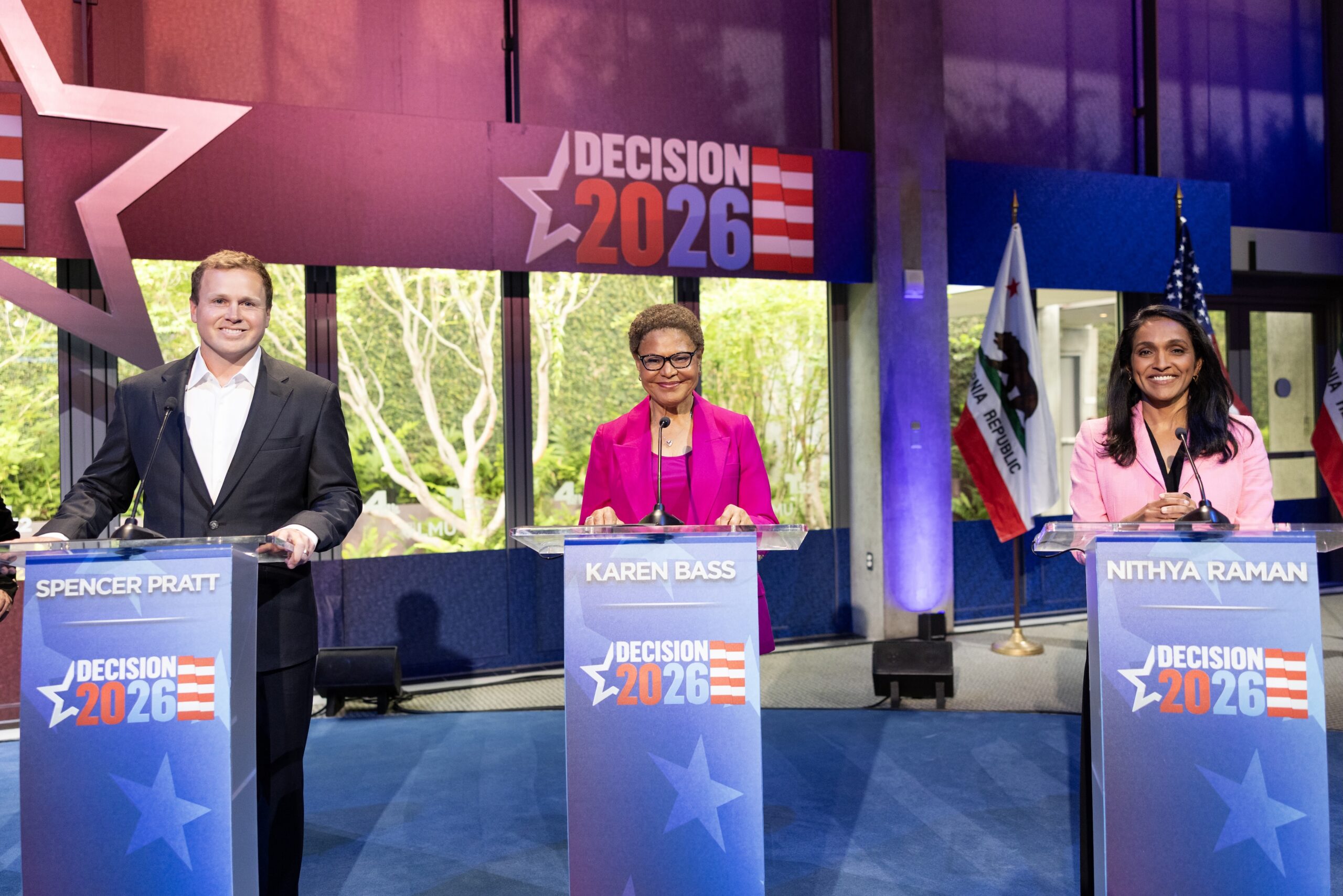
Mayor Karen Bass’s decision to withdraw from a May 13 televised mayoral forum reflects a calculated risk-benefit analysis common to incumbent campaigns. By prioritizing a diplomatic mission to Sacramento—centered on securing state funding for infrastructure and housing—the administration has signaled that executive output currently supersedes the symbolic value of a televised debate.
This prioritization has prompted friction with co-sponsors, including the League of Women Voters and the Pat Brown Institute. Their public disapproval illustrates the growing divide between civic expectations for transparent scrutiny and the pragmatic, often opaque, nature of high-level municipal governance.
The Institutional Risk of Presence
For an incumbent, participation in a multi-candidate forum carries significant exposure. Facing challengers like Nithya Raman, Adam Miller, and Rae Huang, the Mayor’s participation would invite immediate, unmoderated scrutiny of her record. By opting out, the campaign minimizes the risk of unforced errors, effectively shifting the forum’s focus from a comparative analysis of platforms to a critique of the Mayor’s absence.
Disrupting Competitive Dynamics
The incumbent’s absence fundamentally reconfigures the electoral stage. With the mayoral voice removed, opponents gain an unchecked platform to define the public discourse. This creates a strategic void where challengers can articulate policy critiques without immediate rebuttal, forcing voters to evaluate the candidates through a lens framed entirely by the incumbent’s non-participation.
Governing as a Campaign Strategy
The campaign’s framing of the withdrawal—positioning the Sacramento trip as an act of administrative necessity—is a quintessential incumbency maneuver. By linking her absence to the procurement of state support for urgent city issues, Bass attempts to rebrand potential political avoidance as effective leadership. This gamble hinges on whether the electorate values material legislative results more than the established ritual of the public debate.
Accountability in a Changing Landscape
The backlash from civic institutions highlights a broader institutional strain. The informal compact between candidates and debate hosts is fraying as campaigns increasingly favor controlled, filtered messaging over the unpredictable nature of live forums. As this strategy gains traction, media organizations and civic groups are forced to reconsider their role in enforcing traditional accountability norms, potentially signaling a long-term decline in the influence of televised debates on voter decision-making.