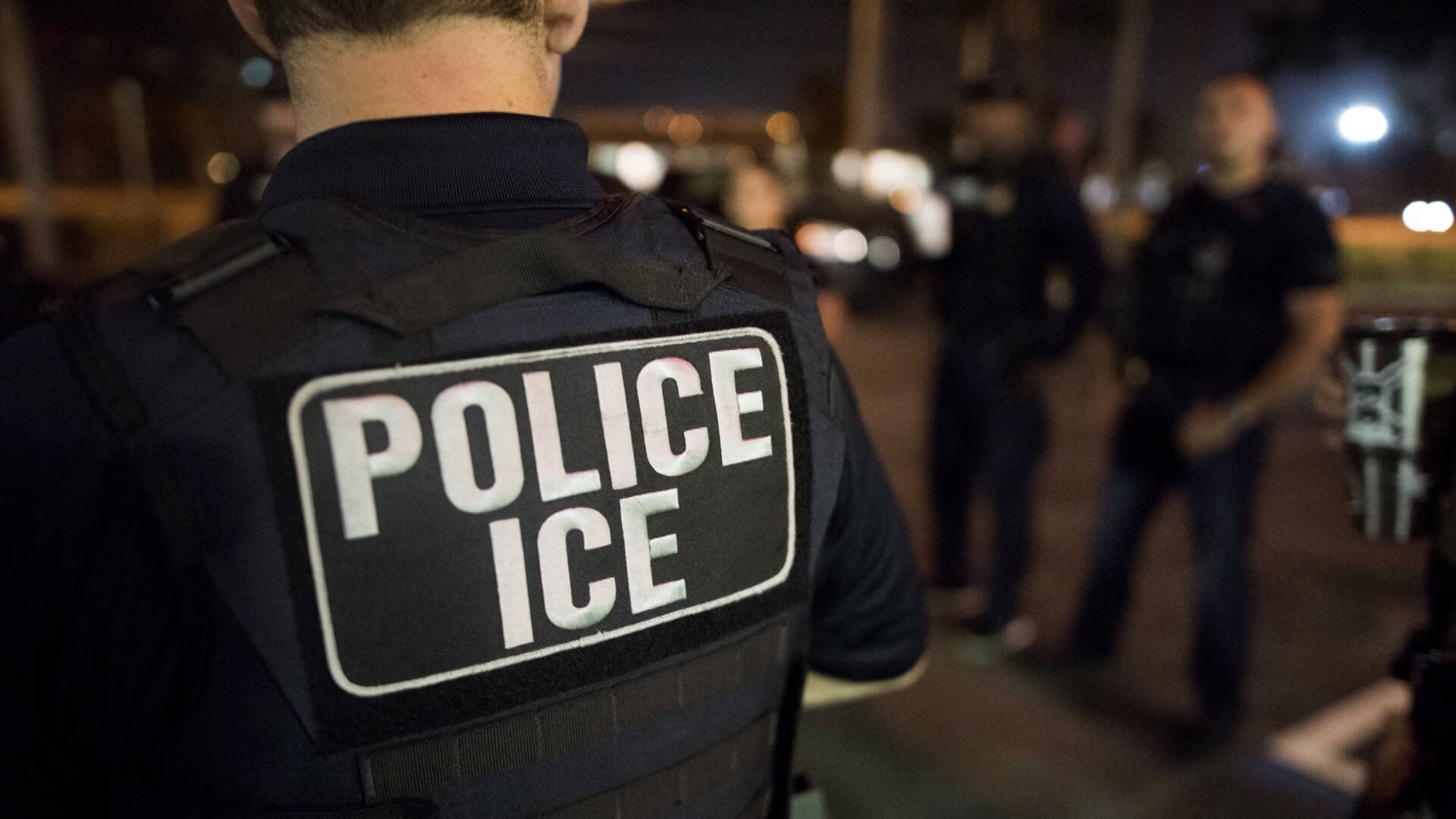
Municipal law enforcement authorities in Evanston, Illinois, have initiated an official inquiry into an encounter involving federal immigration personnel that resulted in the physical injury of a US citizen. The incident has intensified questions regarding field identification protocols and inter-agency coordination between local police and federal immigration teams.
Evanston Police Department reports indicate patrol units responded to emergency calls after an unidentified caller reported a confrontation. Upon arrival, local officers found an injured civilian receiving assistance from bystanders, prompting immediate EMS dispatch.
Witnesses informed responding officers that the individuals attempting apprehension appeared to be from Immigration and Customs Enforcement. Preliminary findings from the municipal police confirmed federal agents had erroneously targeted a US citizen, causing documented trauma before disengaging.
Procedural Breakdown and Municipal Response in Evanston
The operational interface between local police and federal immigration squads is sensitive, particularly in public spaces. In Evanston, arriving municipal officers were not executing a joint operation, requiring them to conduct immediate triage and secure witness accounts.
The injured citizen reported distinct physical trauma, including acute injuries to the head, neck, and teeth. Evanston police administered initial aid alongside witnesses before transferring the patient to paramedics.
An assisting municipal officer located two sport utility vehicles near a proximate intersection. An individual inside identified as a federal agent conducting an enforcement action, establishing a direct link to federal field activities.
Investigative Mandates and Local Inquiries
The Evanston Police Department has formally opened an investigation to clarify the circumstances surrounding the irregular detention and determine the operational parameters of the federal agents. Municipal investigators are examining the sequential timeline to verify why physical force was applied prior to establishing identity.
Local inquiries center on compliance with territorial jurisdiction, civil liberties protections, and the duty of care during field stops. The police department’s priority is clarifying authorizations and how a verified citizen came to be targeted and injured during a unilateral federal operation.
Because the local department learned of the operation through community emergency dispatch rather than advance agency coordination, the case highlights administrative divides in operational transparency. The absence of synchronized communication exposes municipal police departments to volatile public scenes without prior intelligence on federal operations.
Critical Force Incident in Austin, Texas
Parallel scrutiny surrounding federal immigration enforcement escalated on the same day following a separate, high-consequence engagement in Austin, Texas. Immigration and Customs Enforcement personnel discharged a firearm during an encounter, critically wounding an active delivery driver for DoorDash.
The injured individual, identified as twenty-eight-year-old Wilber Rafael Garcés Pérez, sustained severe trauma from gunfire, with a projectile lodging in his back. Medical evaluations determined the bullet could not be safely extracted due to its perilous proximity to his spinal column.
The deployment of lethal force during routine civilian enforcement operations places direct scrutiny on field tactical assessments and threat calibration. The occurrence of two severe operational breakdowns on the same day across distinct jurisdictions highlights broader procedural vulnerabilities within federal enforcement divisions.
Custodial Transfer and Medical Care Disclosures
Beyond the immediate discharge of weapons, administrative conduct following the Austin hospitalization has triggered procedural controversies regarding the treatment of injured detainees. Garcés Pérez stated that immigration authorities exerted administrative pressure on hospital staff for a premature medical discharge to process him into a federal detention facility.
Following his intake into the detention environment, Garcés Pérez asserted that facility administrators failed to provide prescribed medication or requisite clinical treatment for his acute pain. Legal counsel representing Garcés Pérez intervened, confirming his deteriorated condition necessitated an immediate return transfer to an external medical facility.
The legal claims made by defense counsel underscore institutional liabilities regarding the standard of custodial medicine within federal detention facilities. When individuals experiencing major trauma are transferred from advanced medical centers into holding facilities, operational compliance with health maintenance protocols becomes a central legal vulnerability.
Institutional Accountability and Systemic Exposure
The concurrent incidents in Illinois and Texas reveal structural risks across the operational continuum of federal immigration enforcement, spanning initial field identification to post-arrest custody management. In suburban Chicago, the failure to verify citizenship prior to initiating forceful restraint exposes field operations to significant administrative and civil rights scrutiny.
In Texas, the application of firearm force against a delivery platform worker, combined with contested custodial care transitions, exposes the agency to systemic compliance reviews. When enforcement mechanisms produce serious collateral outcomes for both citizens and non-citizens, public and institutional pressure converges on internal review frameworks.
Municipal entities managing the aftermath of erroneous federal interventions must balance local public safety obligations with complex multi-jurisdictional liabilities. The investigation launched by Evanston police demonstrates how municipal authorities must establish factual independence when federal activities cause public harm within local city limits.
Operational Protocols and Verification Standards
Field encounters involving rapid physical detentions rely fundamentally on accurate intelligence and rigorous suspect identification protocols. The error documented in Evanston suggests potential gaps in real-time biographical verification, field communication, or supervisor oversight during roving vehicle stops.
When federal agents mistake a citizen for an enforcement target and initiate physical contact, institutional policies regarding proportional restraint and de-escalation are directly challenged. The resulting physical injuries sustained by the Evanston resident demonstrate the tangible liabilities generated when field verification steps fail under non-controlled conditions.
Administrative reviews into such failures typically focus on the quality of operational planning, the validity of field intelligence, and the threshold required before agents initiate physical force. As local investigators compile testimony and physical evidence, federal oversight bodies may face renewed demands to reconcile aggressive operational tactics with constitutional guarantees against unreasonable seizure.
Downstream Implications for Policy and Jurisdictional Oversight
The emergence of severe physical trauma in Illinois and life-threatening ballistic injuries in Texas within a twenty-four-hour window accelerates institutional scrutiny of federal operational conduct. These cases emphasize that operational lapses carry severe implications not only for the victims and their families but also for inter-agency coordination, hospital administrative ethics, and municipal sovereignty.
In Illinois, local community confidence in public safety depends heavily on transparent answers from the ongoing Evanston police inquiry. As municipal investigators pursue details from the federal personnel identified near the scene, their findings could influence how local governments regulate cooperation, information-sharing, and operational notifications with federal border and customs authorities.
In Texas, the ongoing medical requirements and legal advocacy surrounding Wilber Rafael Garcés Pérez are positioned to challenge custodial custody transfer procedures and internal use-of-force reviews. The combined trajectory of both cases establishes an undeniable baseline of risk, illustrating how procedural deficiencies in field operations translate rapidly into systemic institutional exposure and profound human impact.