Institutional Framework of the Milano Cortina 2026 Schedule
The progression of the 2026 Winter Olympics into its sixth day represents a critical juncture in the logistical and administrative coordination of the Games. On February 11, the schedule converges on high-profile disciplines including ice hockey, curling, figure skating, and snowboarding halfpipe.
This scheduling alignment is not merely a matter of sporting sequence but reflects a complex administrative strategy designed to maximize global viewership and operational efficiency. The concentration of these events requires a robust infrastructure capable of supporting simultaneous high-bandwidth broadcasts and spectator management.
National Olympic Committees, particularly those with high participation rates such as Team Canada, must manage significant operational loads during this period. The scheduled activities include the start of major tournaments and high-stakes matches that define the mid-game trajectory for national delegations.
Media Rights and Digital Distribution Logistics
The broadcasting of the Milano Cortina 2026 events is governed by rigorous media rights agreements, with NBC and its associated digital applications serving as the primary conduits for the North American market. These platforms are integrated into a broader technological framework intended to provide real-time data and video streams to a global audience.
The reliance on digital applications highlights a structural shift in how Olympic content is consumed, moving toward a model that prioritizes on-demand access and multi-platform availability. This transition requires significant investment in cloud infrastructure and cybersecurity to ensure the integrity of the broadcast signal.
Institutional stakeholders utilize these media frameworks to maintain the economic viability of the Games, as broadcasting revenue remains a primary pillar of the Olympic movement’s financial structure. The scheduling of events like figure skating and hockey is strategically timed to align with peak viewing hours in key international markets.
Structural Evolution of Snowboarding and Ice Disciplines
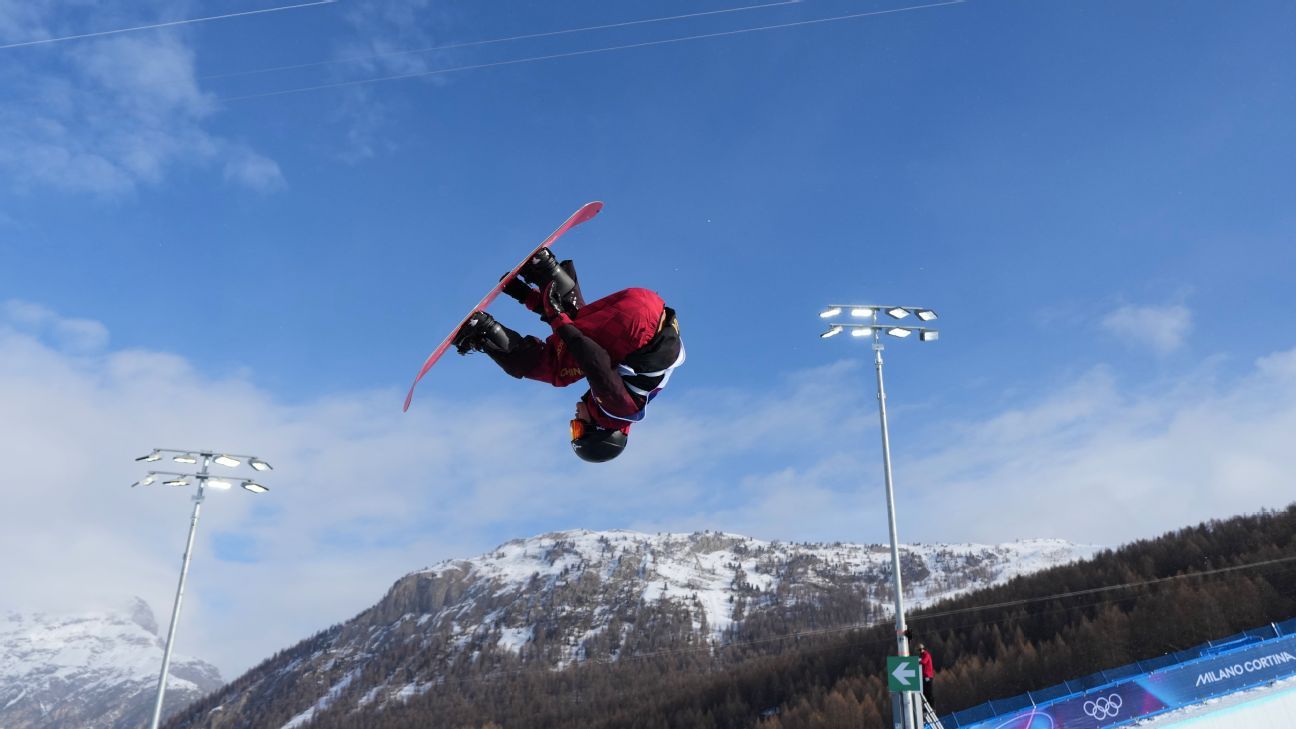
The inclusion of the women’s snowboarding halfpipe on the Day 6 schedule underscores the ongoing evolution of the Olympic program to incorporate technically demanding and youth-oriented disciplines. The regulatory oversight for these events involves precise course preparation and adherence to international federation standards for safety and competition fairness.
Snowboarding facilities at the Milano Cortina venues must meet specific structural requirements to ensure that athletes can perform at the highest level while minimizing physical risk. This necessitates a collaborative effort between the local organizing committee and the relevant international sporting federations.
In contrast, the ice-based disciplines such as figure skating and curling require highly controlled indoor environments where temperature and ice consistency are managed with industrial precision. The governance of these venues is a critical administrative task, as the quality of the ice directly impacts the technical execution of the participants.
Administrative Coordination for Team Delegations
For organizations like Team Canada, Day 6 represents a peak in administrative and logistical demand due to the density of the competition schedule. This includes a hockey doubleheader and the initiation of the women’s curling tournament, necessitating precise movement of personnel and equipment across different venues.
The logistical complexity of managing a national team during a multi-venue Games like Milano Cortina cannot be overstated. Staff must coordinate medical support, media relations, and athlete transport within the strict timeframes dictated by the official Olympic schedule.
The start of the curling tournament and the continuation of the hockey programs are particularly significant for the operational rhythm of the Games. These team sports require long-term facility access and detailed coordination with officiating bodies to ensure the schedule remains on track despite the potential for overtime or delays.
Governance of Multi-Venue Winter Games
The Milano Cortina 2026 model, which distributes events across various locations in Italy, introduces unique governance challenges compared to more centralized Games. Day 6 serves as a test of the regional transport and communication links that connect Milan, Cortina, and other host clusters.
This decentralized approach is part of a broader institutional strategy to utilize existing infrastructure and promote sustainability within the Olympic movement. However, it requires a higher level of administrative synchronicity to ensure that athletes, officials, and media can transition between venues without disrupting the competition flow.
The economic implications of this model are significant, as it spreads the financial impact and the logistical burden across multiple municipalities. The success of Day 6 is therefore a measure of the effectiveness of the inter-regional cooperation agreements that underpin the 2026 Winter Olympics.
Strategic Importance of the Mid-Game Schedule
As the Games reach the one-week mark, the results from Day 6 events begin to shape the overall narrative of the competition and the standing of various nations. The institutional focus during this period is on maintaining the momentum of the Games while ensuring that all regulatory and safety protocols are strictly followed.
The scheduling of a hockey doubleheader, for instance, is a major administrative undertaking that involves rapid venue turnaround and the management of high-density crowds. This requires a sophisticated level of coordination between local law enforcement, venue staff, and tournament organizers.
Ultimately, the documented events of February 11, 2026, are a reflection of the intricate planning required to execute a global sporting event of this magnitude. The integration of traditional ice sports with modern snow disciplines creates a diverse and demanding schedule that tests the resilience of the host nation’s infrastructure and the adaptability of international participants.