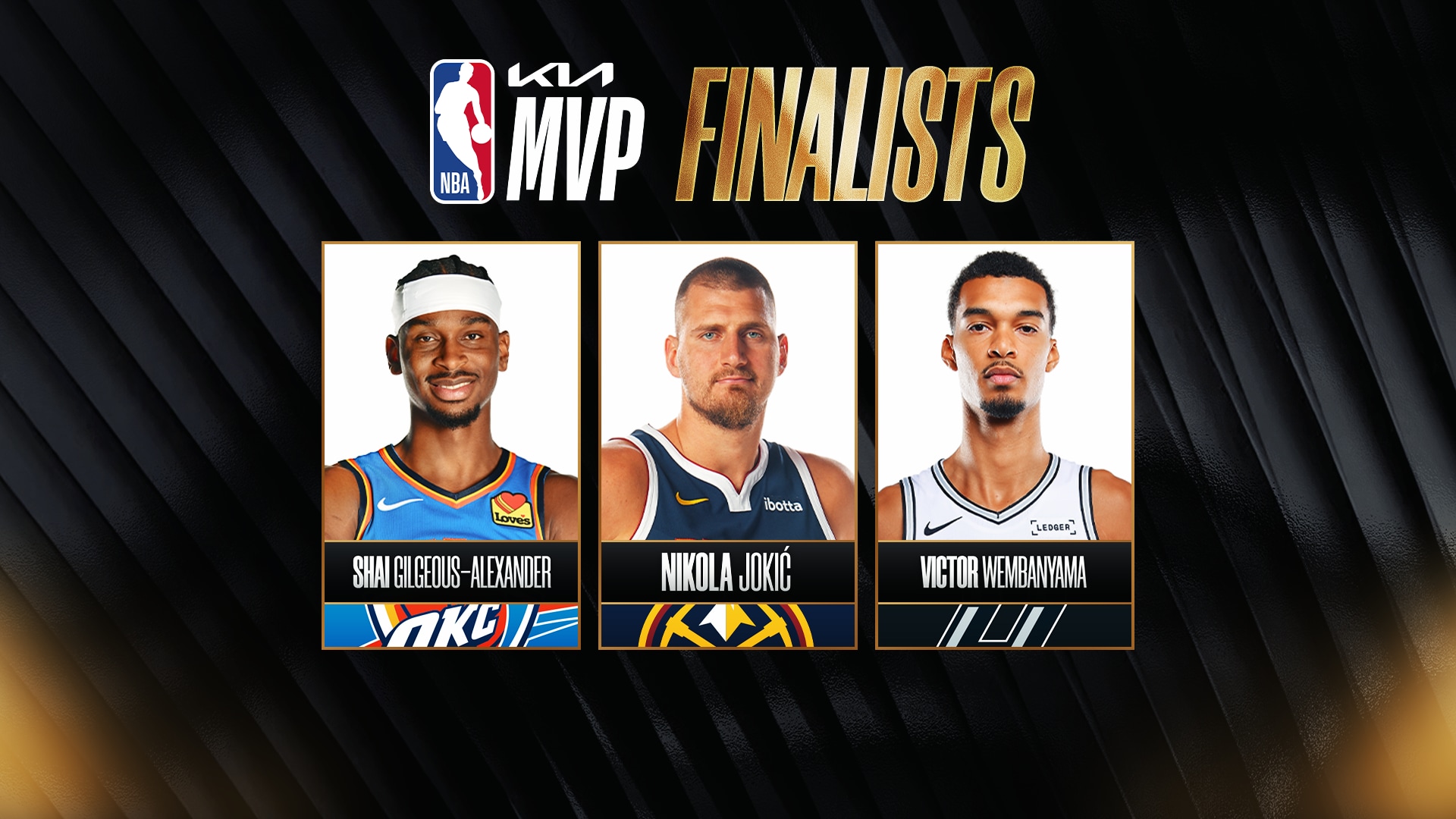
The unveiling of the 2025-26 NBA award finalists marks a decisive inflection point in the league’s institutional governance and competitive landscape. By centering the Most Valuable Player race on Nikola Jokic, Shai Gilgeous-Alexander, and Victor Wembanyama, the NBA codifies a meritocracy defined by international dominance and positionless versatility. This shift represents the zenith of the league’s global scouting apparatus, prioritizing high-efficiency archetypes that render traditional defensive schemes obsolete.
Institutional Governance and Participation Mandates
The 2025-26 cycle serves as a critical stress test for the Collective Bargaining Agreement’s (CBA) 65-game minimum. Anthony Edwards’ inclusion as a Clutch Player of the Year finalist—despite falling short of the game-count threshold—highlights a strategic distinction in the league’s award framework. Unlike media-voted honors (MVP, All-NBA), the Clutch award is determined by coaching consensus, exempting it from the participation requirements designed to mitigate load management. This allows the league to validate high-impact performance without undermining the integrity of its availability mandates.
Conversely, the appeals filed by Luka Doncic and Cade Cunningham under the ‘extraordinary circumstances’ clause represent a pivotal administrative precedent. These appeals suggest that while the 65-game threshold is an effective baseline for durability, a secondary review mechanism is essential to account for systemic or medical anomalies. By placing them on the ballot, the league maintains the accessibility of financial triggers associated with All-NBA status, preventing arbitrary disqualifications from destabilizing franchise-player relations.
The MVP Vanguard: Efficiency and Structural Disruption
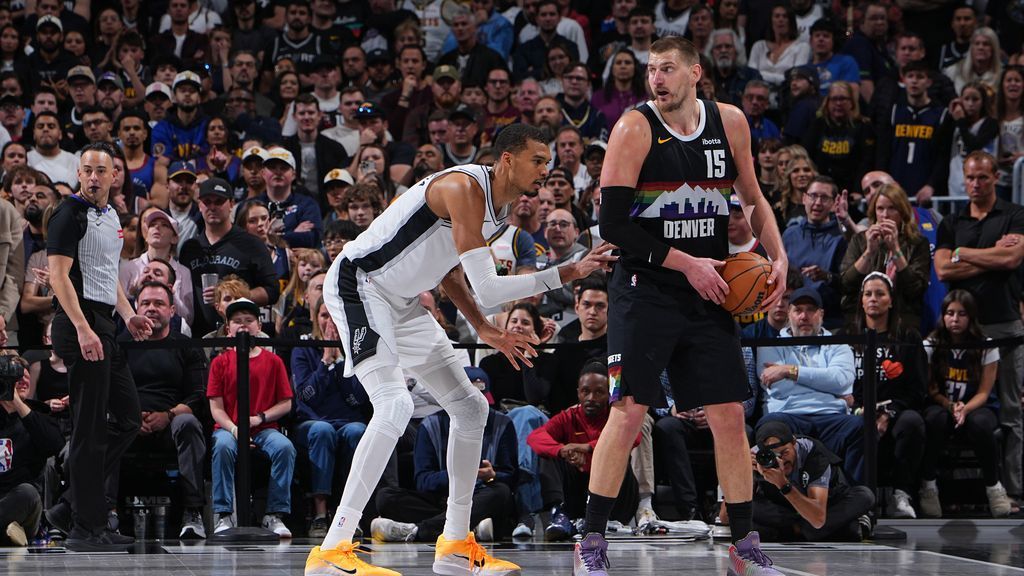
Nikola Jokic’s candidacy is anchored by an unprecedented statistical disruption: becoming the first player to lead the NBA in both assists and rebounds simultaneously. This achievement necessitates a recalibration of defensive rotations, as Jokic’s gravitational pull at the center position dictates the pace of half-court execution. Similarly, Shai Gilgeous-Alexander’s efficiency—averaging 31.1 points on 55% shooting—redefines the ceiling for high-usage perimeter engines, blending volume scoring with elite defensive metrics.
Victor Wembanyama’s ascent to the MVP top three in his third professional season underscores an accelerated developmental timeline. Averaging 25 points and 11.5 rebounds in under 30 minutes per game, Wembanyama’s per-minute productivity represents a strategic advantage, allowing the San Antonio Spurs to maximize competitive value while meticulously managing his physical load. His presence among the finalists validates the shift toward mobile, high-length giants who dominate both ends of the floor.
Defensive Paradigms and Spatial Deterrence
The Defensive Player of the Year finalists—Wembanyama, Chet Holmgren, and Ausar Thompson—illustrate a generational pivot toward rim deterrence and lateral mobility. Wembanyama’s multi-year streak as the league leader in blocked shots has fundamentally altered the shot-selection calculus of opposing offenses, forcing a reliance on low-efficiency mid-range attempts. The presence of both Wembanyama and Holmgren suggests the ‘small-ball’ era is yielding to a ‘length revolution,’ where wingspan and verticality are the primary metrics for defensive viability.
Financial Architecture and Cap Implications
The awards function as a mechanism of the NBA’s broader financial architecture. All-NBA honors serve as the primary triggers for supermax extensions, which can occupy up to 35% of a team’s salary cap. For small-market franchises like the Oklahoma City Thunder, the dual finalist status of Gilgeous-Alexander and Holmgren necessitates rigorous long-term fiscal planning. Managing these contract cycles is vital to avoid the punitive ‘second apron’ of the luxury tax while sustaining a championship-caliber roster.
Rookie Impact and Market Positioning
The Rookie of the Year finalists—VJ Edgecombe, Cooper Flagg, and Kon Knue—represent the next phase of the league’s talent pipeline. The immediate productivity of this class is a testament to the sophistication of modern pre-NBA development. Cooper Flagg’s candidacy, in particular, aligns with the league’s marketing objectives, ensuring a continuous supply of elite assets to drive global engagement. These rookies provide franchises with cost-controlled talent, allowing for accelerated rebuilding timelines in a highly competitive economic environment.