Miami Valley Endures Weather Disruptions with Widespread Power Outages and Flood Advisories
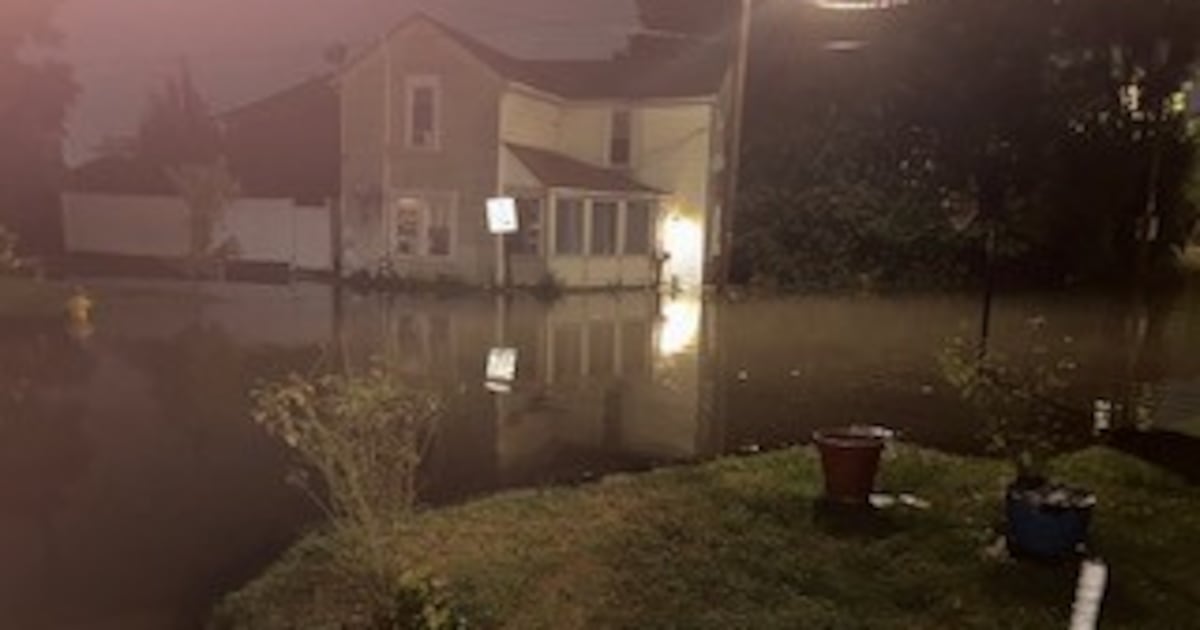
The Miami Valley region experienced substantial weather-related disruptions, including the issuance and subsequent cancellation of flood advisories across multiple counties. These advisories, impacting areas such as Auglaize, Shelby, Logan, Union, Wayne, Butler, Darke, and Preble, highlight the immediate impact of localized weather patterns on public safety and infrastructure.
Over 2,000 AES Ohio customers lost power, directly correlating severe weather events with utility service interruptions. The scale of these outages suggests the storms involved significant wind or physical impacts capable of compromising power distribution networks, necessitating a swift response from the utility provider.
Storm Watches and Risk Assessments Highlight Meteorological Challenges
The National Weather Service issued a Severe Thunderstorm Watch for Randolph County, Indiana, underscoring the heightened risk of severe weather in that specific area. Combined with earlier Level 1 to Level 2 severe weather risk assessments for the broader Miami Valley, these alerts demonstrate the challenges in forecasting and preparing for localized, intense storm cells.
Meteorologists noted the inherent forecasting uncertainties, with models indicating potential for storms to miss the region or, conversely, produce localized severe phenomena. The primary concern was damaging straight-line winds, with a secondary risk of large hail and brief tornadoes, emphasizing the need for public vigilance and preparedness.
Operational and Strategic Implications for Utilities and Infrastructure
Widespread power outages pose direct operational challenges and significant costs for utilities like AES Ohio. Maintaining robust infrastructure, resilient grid components, and rapid repair crew deployment are crucial to mitigate economic and social impacts. Utility performance is measured by response time, restoration efficiency, and communication effectiveness.
Strategic utility planning in severe weather-prone regions involves continuous investment in grid modernization, predictive maintenance, and advanced weather monitoring. These investments are critical for reducing outage durations, improving customer satisfaction, and ensuring essential service reliability, thereby protecting revenue and meeting regulatory compliance.
Cascading Effects on Local Economies and Infrastructure Resilience
Beyond immediate power loss, prolonged outages can have cascading economic effects. Businesses face lost productivity and revenue, while residents experience disruptions to essential services. Local infrastructure, including transportation and communication systems, is also tested during such events.
The frequency and intensity of severe weather, potentially influenced by climate trends, necessitate long-term strategies for infrastructure hardening. This includes undergrounding power lines, reinforcing transmission towers, and developing microgrids for critical facility power during widespread outages.
Risk Management and Public Preparedness: The Role of Alerts
Flood advisories and severe thunderstorm watches serve as vital communication channels between meteorological authorities and the public. Effective alert dissemination via weather apps and local media is paramount for public safety, enabling timely precautions.
Individual preparedness involves emergency kits, understanding evacuation routes, and securing property. Financial implications for residents can range from spoiled food to storm damage repair costs, underscoring the importance of adequate insurance and emergency savings.
Utility Performance in a Competitive Landscape
Consistent and reliable service delivery is a key differentiator in the utility sector. AES Ohio’s performance during these events will be closely scrutinized. Companies demonstrating superior resilience and rapid recovery build public trust and gain a competitive advantage.
Utility capital allocation decisions balance operational costs with infrastructure resilience investments. Regulatory frameworks often incentivize these upgrades, but the pace is influenced by market dynamics, shareholder expectations, and perceived climate risks.
Advancements in Meteorological Forecasting
Forecasting uncertainties for localized severe events drive the need for continuous advancements in meteorological science and technology. Sophisticated computer models, real-time data assimilation, and advanced radar systems are crucial for improving prediction accuracy and lead times.
Meteorologists’ ability to convey complex probabilistic forecasts is vital for informed decision-making. Reliance on multiple models reflects current limitations and the necessity of expert interpretation for actionable warnings.
Inter-State Weather Dynamics and Coordinated Response
The Severe Thunderstorm Watch in Indiana, alongside Ohio advisories and outages, illustrates the interconnectedness of weather systems across state lines. This necessitates coordinated emergency management and communication between neighboring states and their respective utility providers and emergency services.
Understanding trans-boundary weather patterns is crucial for regional planning and resource allocation, informing mutual aid agreements and the prepositioning of emergency response assets for a cohesive response.
Regulatory Oversight and Infrastructure Investment Imperatives
Public utility commissions oversee infrastructure investment and service reliability, setting performance standards and approving rate increases for necessary upgrades. Documented outages and advisories will likely inform future regulatory discussions on grid resilience and storm preparedness funding.
Substantial capital is required for infrastructure upgrades, and regulatory approval is a critical step in securing necessary funding for enhanced resilience.
The Indispensable Role of Media in Public Information
Local media outlets are indispensable for conveying critical weather information, providing context, explaining risks, and guiding preparedness measures, acting as a vital link in the emergency communication chain.
The development and promotion of weather apps by media organizations reflect adaptation to evolving consumer demand for immediate, personalized information, enhancing their reach and impact during fast-moving weather events.
Economic Impact and Long-Term Infrastructure Planning
The economic consequences of severe weather extend beyond repair costs to include lost productivity, supply chain disruptions, and impacts on agriculture and tourism. For diverse economies like the Miami Valley, repeated weather events can influence investment and growth.
Utilities must integrate broader economic considerations into long-term capital planning. Investments in grid resilience are strategic imperatives that support regional economic stability by minimizing the risk of costly disruptions.
Climate Trends and Future-Proofing Infrastructure
Events like these occur within the broader context of climate change, potentially increasing the frequency and intensity of extreme weather. This backdrop influences long-term infrastructure planning for utilities and governmental agencies.
The strategic imperative is to build infrastructure resilient to current weather and adaptable to projected future conditions, ensuring sustained service reliability and mitigating escalating climate-related costs.