WNBA Strategic Realignment: Sky vs. Mercury
The July 7, 2026, contest at the Mortgage Matchup Center serves as a pivotal indicator of divergent organizational trajectories. Phoenix (8-13) enters on a three-game surge, exemplified by a 90-67 dominance over Seattle, while Chicago (6-14) remains in a defensive and operational slump. This disparity highlights the fundamental importance of systemic stability in sustaining long-term WNBA competitiveness.
The Cost of Organizational Volatility
Chicago’s current struggles transcend standard on-court errors. The recent shift regarding seven-time All-Star Skylar Diggins has moved the narrative from tactical adjustment to internal friction. Such personnel management challenges frequently correlate with reduced team cohesion, complicating the implementation of offensive schemes. While individual contributors like Kamilla Cardoso provide necessary rebounding leverage, the team’s inability to close late-game scenarios—as seen in their recent overtime loss to the Las Vegas Aces—suggests a deficit in high-leverage execution.
Statistical Dominance and Tactical Frameworks
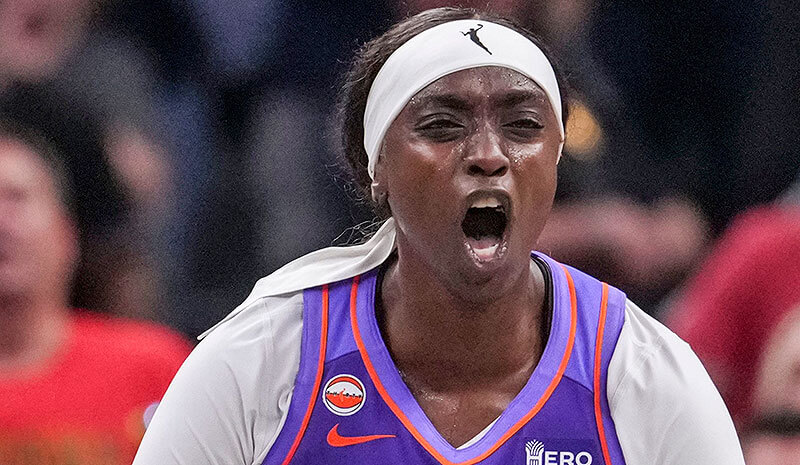
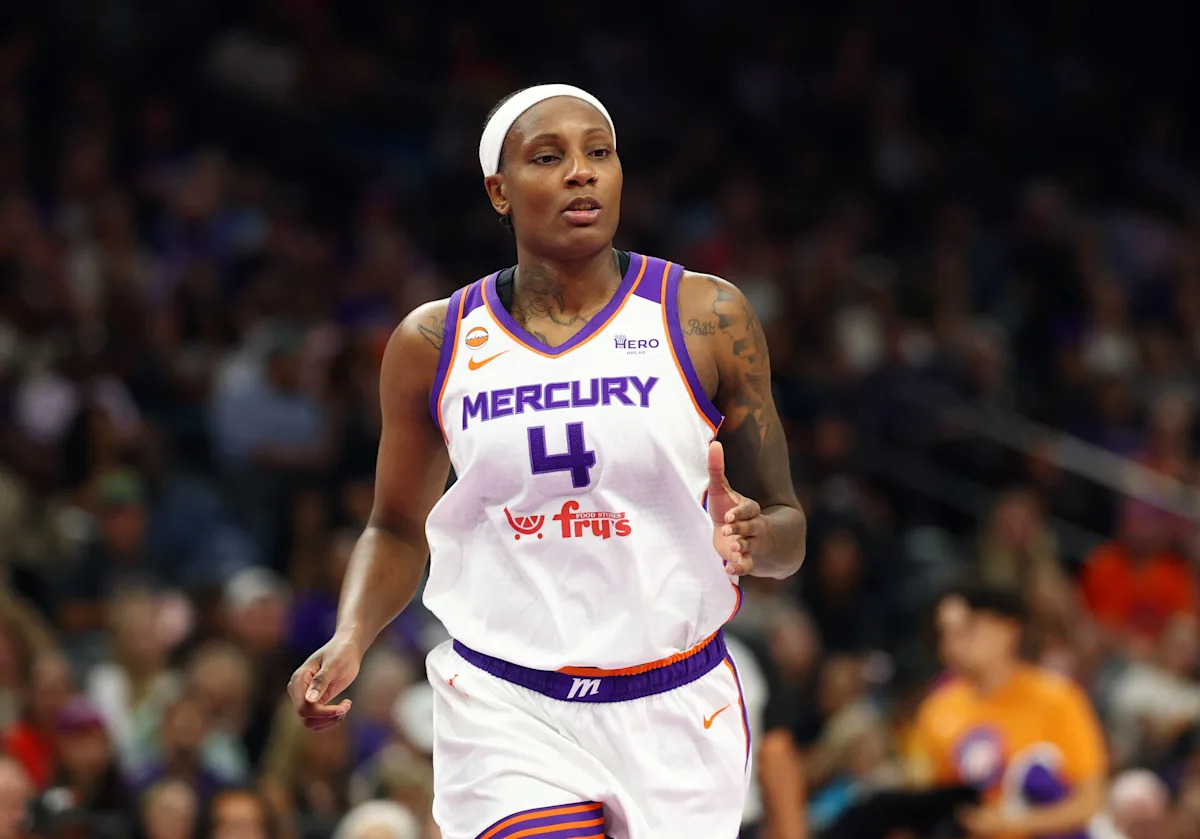
Phoenix maintains a significant 9-1 advantage in their previous ten head-to-head meetings, illustrating a recurring tactical mismatch. This pattern suggests that the Mercury’s current offensive system effectively exploits Chicago’s defensive rotations. Central to this success is Kahleah Copper, whose sustained performance against statistical benchmarks—specifically the 23.5 combined points and rebounds projection—has acted as a force multiplier for the Mercury’s win streak.
Operational Outlook and Market Indicators
The betting market’s confidence in the Mercury, solidified by a -3.5 spread, reflects a broader skepticism regarding the Sky’s current resilience. With injury uncertainties surrounding Natasha Mack and Noemi Brochant, both coaching staffs face critical rotation decisions that will likely dictate the game’s pace. For Chicago, the requirement is clear: transition individual statistical output into organizational wins; for Phoenix, the objective is to maintain momentum by exploiting Chicago’s internal instability. As the 2026 season progresses, the institutional ability to integrate roster talent under pressure will define the competitive viability of both franchises.