Kentucky Floods: Four Confirmed Dead, State of Emergency Declared
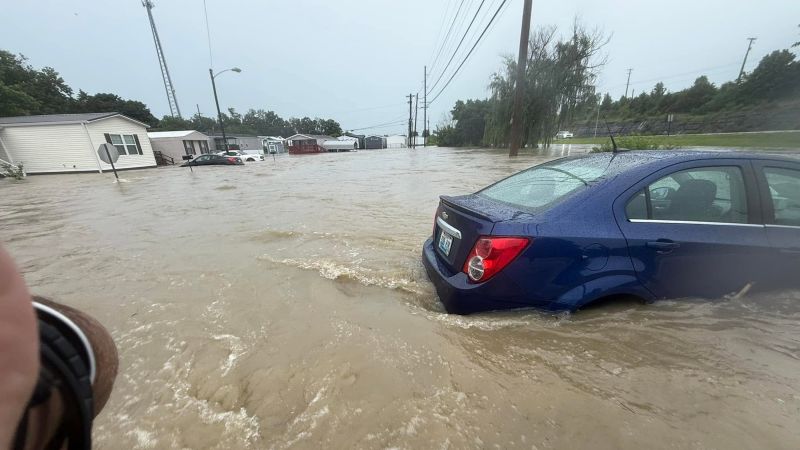
Kentucky is grappling with devastating flash flooding that has claimed at least four lives as of Saturday. The severe weather, characterized by intense rainfall, has overwhelmed infrastructure, submerging homes and destroying bridges across multiple counties. Extensive search and rescue operations are underway, with further rainfall predicted to exacerbate the already perilous conditions.
Governor Andy Beshear confirmed fatalities in Jackson and Madison counties. In Madison County, three individuals drowned within their homes. A motorist was previously reported swept away by rapidly rising floodwaters, highlighting the immediate lethal threat. The declaration of a state of emergency aims to expedite the deployment of state and local resources to manage the escalating crisis.
Emergency Response and Resource Mobilization
The governor’s state of emergency declaration is pivotal in marshaling National Guard units, emergency management personnel, and essential equipment. This action facilitates a coordinated response to search and rescue missions and provides critical aid to displaced residents. Several counties, including Bullitt, Madison, Meade, Mercer, and Spencer, have issued their own local states of emergency, empowering officials to implement protocols, secure funding, and protect public safety.
Infrastructure Damage and Evacuation Needs
The flooding has critically impacted Kentucky’s transportation network, with inundated roads and destroyed bridges impeding emergency access and isolating communities. This disruption complicates evacuation procedures and access to essential services. The ongoing rainfall threatens further damage to vulnerable infrastructure.
In Bullitt County, an urgent evacuation order was issued for Cedar Springs Drive in Lebanon Junction due to a reported ‘moderate dam failure’ at the Rod and Gun Club. Residents were directed to higher ground, underscoring the cascading risks from compromised water management structures during extreme precipitation.
Shelter and Support for Displaced Populations
Emergency shelters have been established to provide temporary housing and support for displaced residents. Facilities in Madison County, including Madison Home, First Baptist Church, and Enrich, are serving as vital hubs. The Red Cross is actively involved in setting up these shelters, demonstrating a coordinated approach to meeting immediate humanitarian needs.
Public Safety Advisories and Weather Forecasts
Governor Beshear has issued stern warnings, urging extreme caution and advising against non-essential travel, particularly after dark, due to reduced visibility and heightened risks in flooded areas. The forecast anticipates a second round of significant rainfall, requiring continuous monitoring of weather patterns and adaptive response strategies.
Historical Context of Kentucky Flooding
This event follows a pattern of catastrophic flooding in Kentucky. Past incidents, such as deadly flash floods in early 2025, underscore the state’s recurring vulnerability to extreme precipitation. This suggests a need for enhanced long-term mitigation strategies, infrastructure investment, and land-use planning in flood-prone regions.
Operational Challenges for First Responders
First responders face significant challenges navigating inundated areas, assessing damaged structures, and conducting rescues in hazardous conditions. The continuous nature of search and rescue operations highlights the immense demands on personnel. The complexity of attributing fatalities directly to flooding is also a factor in ongoing recovery assessments.
Economic and Social Impacts
The immediate economic consequences include property destruction, business damage, and supply chain disruptions. Long-term impacts involve substantial costs for infrastructure repair and rebuilding. Socially, displacement, loss of homes, and emotional trauma have profound effects on affected communities.
Dam Integrity and Secondary Hazards
The dam failure incident in Bullitt County highlights infrastructure risks under extreme hydrological stress. Though the dam was reported to be holding, the evacuation order underscores the importance of dam inspections and emergency preparedness. Landslides contributing to such issues indicate interconnected geological and hydrological hazards.
Media and Crisis Communication
News outlets and social media are crucial for disseminating information, including evacuation notices and shelter availability. Governor Beshear’s use of social media exemplifies modern crisis communication strategies, vital for public awareness and safety during rapidly unfolding disasters.
Inter-Agency Coordination and Governance
The multi-county nature of the disaster necessitates robust inter-agency coordination between state, county, and non-governmental organizations. The governor’s declaration centralizes response efforts, enabling unified command and efficient resource allocation for effective mitigation of loss of life and property damage.
Long-Term Resilience and Climate Adaptation
The recurring severe flooding points to the need for long-term resilience and climate adaptation strategies. The increasing frequency and intensity of extreme weather events necessitate re-evaluating infrastructure standards, land-use policies, and community preparedness to build better-defended communities against future climate-related challenges.