The Liturgy of State Mourning and Institutional Stabilization
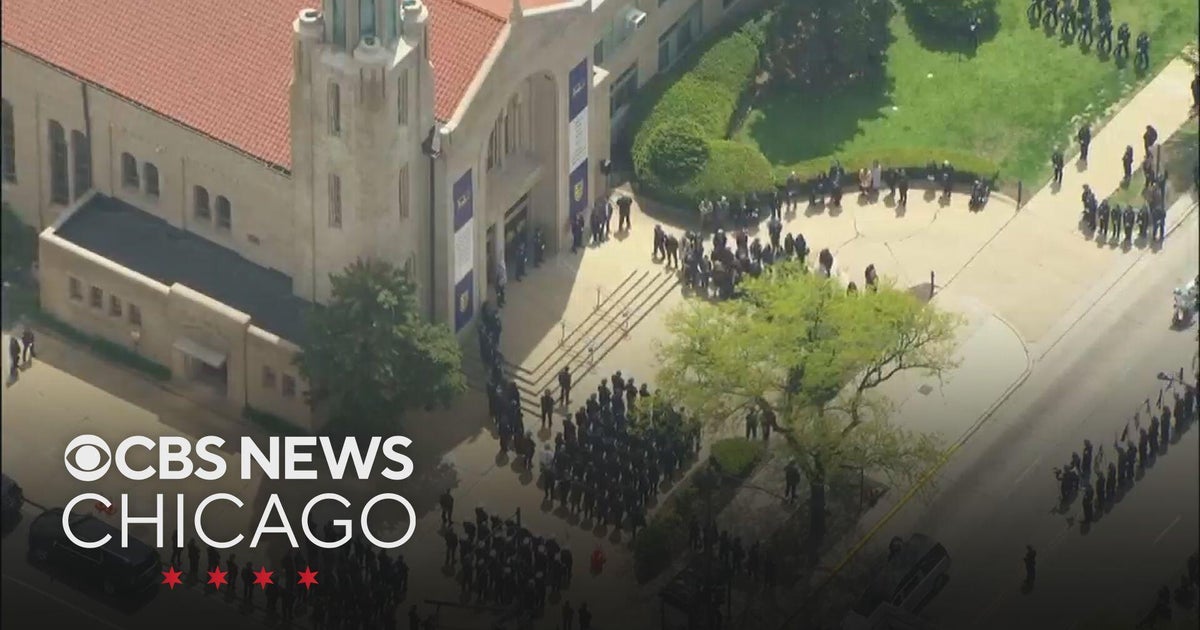
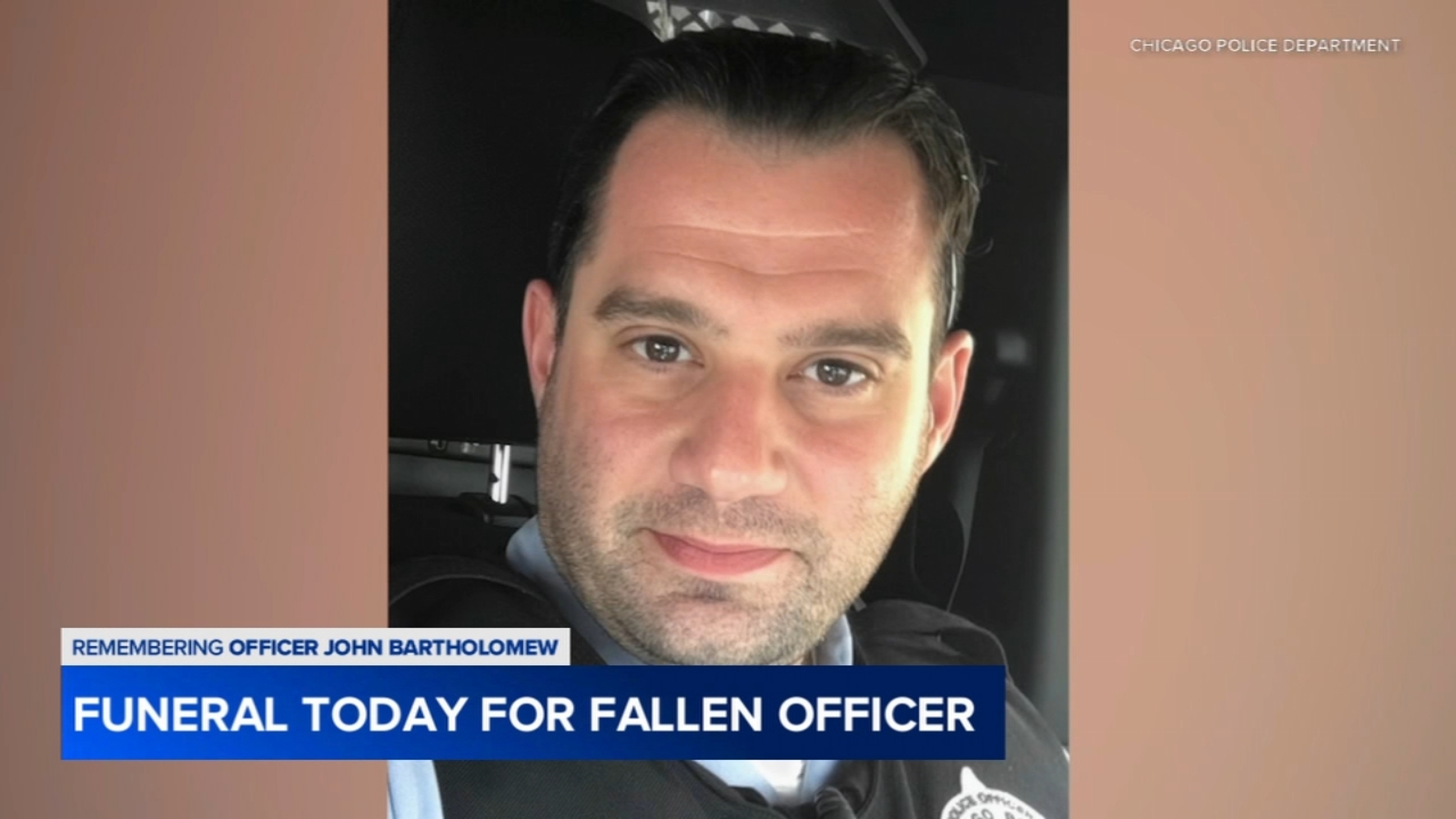
The funeral of Chicago Police Officer John Bartholomew represents more than a communal grieving process; it is a critical instrument of institutional stabilization for the Chicago Police Department (CPD). The high-profile attendance of Mayor Brandon Johnson and Superintendent Larry Snelling at St. Andrew’s Greek Orthodox Church serves a dual purpose: fulfilling a political mandate of solidarity and reinforcing the internal social contract within the rank-and-file. In the wake of a line-of-duty death, these ceremonial displays are essential for preserving the hierarchy of command and maintaining morale under intense public and operational scrutiny.
The mobilization of multi-jurisdictional units functions as a projection of regional law enforcement continuity. This strategic demonstration of inter-agency cooperation is vital for urban stability, signaling a unified front against threats to the state’s security apparatus. The resource allocation required—evidenced by the massive officer perimeter in Edgewater—underscores the department’s commitment to its public-facing identity as a cohesive, resilient force.
The Clinical-Custodial Interface: Analyzing Protocol Breaches
The fatal shooting of Officer Bartholomew and the wounding of Officer Nelson Crespo at Endeavor Health Swedish Hospital expose a catastrophic failure in the ‘clinical-custodial interface.’ The suspect, Alphanso Talley, leveraged a tactical shift from a controlled police environment to a clinical setting by claiming medical distress. This maneuver exploits the inherent tension between law enforcement’s security mandates and the non-adversarial, care-focused environment of a healthcare facility.
The presence of a concealed firearm beneath a hospital gown indicates a total breakdown in search-and-seizure protocols during the suspect transition. In clinical environments, standard physical constraints are often loosened to facilitate medical intervention, creating a ‘tactical window’ for suspects. This incident necessitates an immediate audit of how the CPD manages the chain of custody when transitioning high-risk individuals into the care of private healthcare providers. The loss of a 10-year veteran like Bartholomew is an irreplaceable depletion of institutional knowledge, as decade-long tenures are the backbone of field mentorship and unit stability.
Strategic Liability and Healthcare Infrastructure Security
The discharge of a firearm within Swedish Hospital triggers a significant reassessment of security architecture in private medical institutions. Hospitals are traditionally designed as open-access environments, which are fundamentally incompatible with the requirements of high-security detention. This volatility places medical staff and the public at extreme risk and creates substantial financial and reputational liability for healthcare networks.
This event will likely force a revision of the Memoranda of Understanding (MOUs) between the CPD and regional hospital networks. Future protocols may mandate specialized security infrastructure—such as dedicated, hardened rooms for suspects in custody—or more stringent access controls during police-escorted visits. From a judicial perspective, the prosecution of Alphanso Talley will serve as a bellwether for how the legal system penalizes targeted violence against law enforcement within supposedly ‘safe’ clinical zones.
Logistical Disruption and Public Sentiment Management
The strategic closure of DuSable Lake Shore Drive and primary arteries in Edgewater illustrates the prioritization of state-sanctioned ritual over urban commercial flow. Managed by the Office of Emergency Management and Communications (OEMC), these disruptions carry indirect economic costs but are deemed necessary to facilitate the motorcade and project departmental presence. Media saturation, including live streaming by major outlets, serves to disseminate a narrative of sacrifice, effectively managing public perception following a failure in officer safety. While the ceremony offers a space for collective mourning, the core challenge remains: implementing the structural changes required to mitigate the tactical vulnerabilities exposed in clinical settings.