Chalmette Refinery Incident: A Catalyst for Systemic Operational and Regulatory Reassessment
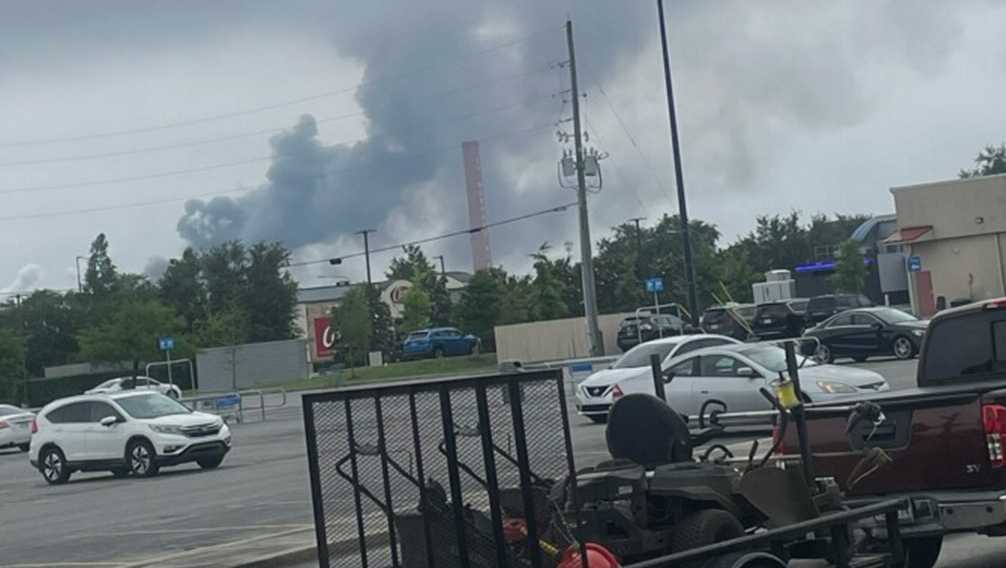
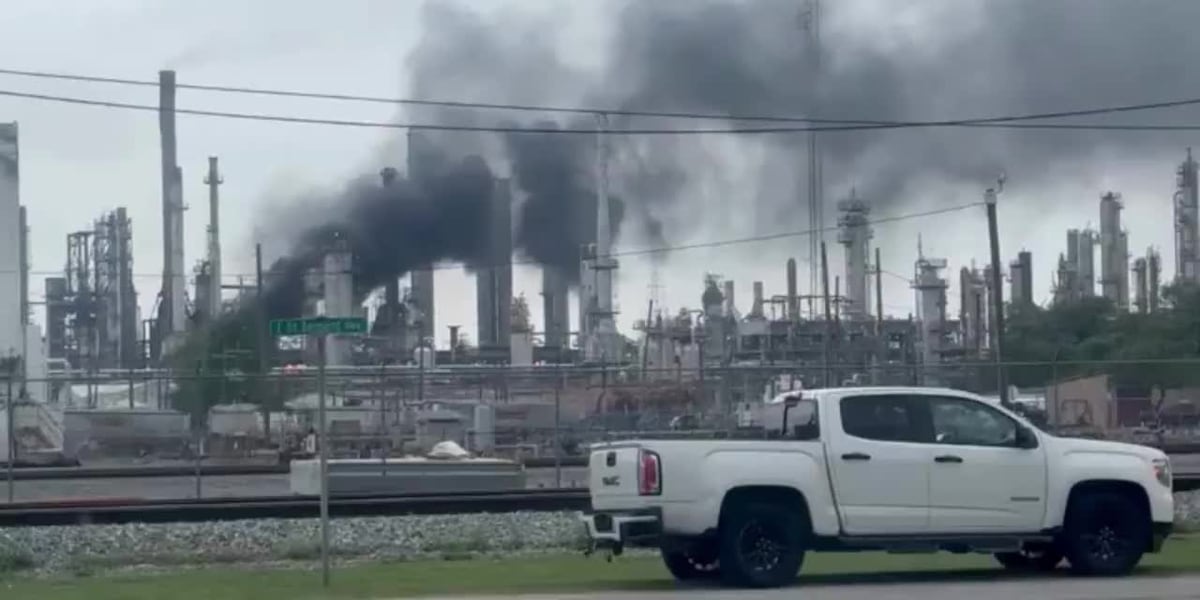
An explosion and subsequent fire at the Chalmette refinery in St. Bernard Parish on Friday afternoon, May 8, 2026, initiated an immediate, extensive multi-agency emergency response. While initial reports confirmed all refinery employees were accounted for and no injuries were reported, the incident instantly triggered a complex cascade of operational, community, and regulatory protocols, underscoring the intrinsic vulnerabilities of critical industrial infrastructure.
The event, producing a large plume of smoke visible across the region and audibly felt throughout the parish, immediately highlighted the multifaceted risks inherent in petrochemical operations. The rapid mobilization of public and private resources for containment and personnel safety represents a critical juncture in industrial risk management, balancing immediate hazard mitigation with long-term systemic stability.
Operational Disruption and Economic Ramifications
The swift deployment of law enforcement and fire officials to the Chalmette refinery site signifies the robust activation of comprehensive emergency response plans designed for complex industrial incidents. First responders’ successful containment of the fire, stabilizing the immediate situation and preventing broader escalation, demonstrates the efficacy of coordinated inter-agency training and preparedness in averting catastrophic secondary incidents.
However, the operational implications for the refinery are substantial and enduring. An explosion within such a sophisticated industrial facility necessitates an immediate cessation or significant reduction of processing activities, leading to inevitable production schedule disruptions. This directly impacts regional energy supply chains reliant on its output, potentially influencing market stability and commodity prices.
The subsequent assessment of damage, root cause identification, and implementation of necessary repairs will be an extensive, capital-intensive undertaking. This period of operational downtime translates directly into substantial lost production capacity and revenue, profoundly affecting the refinery’s financial performance, market positioning, and potentially its competitive standing within the energy sector. Furthermore, such incidents typically lead to a rigorous review of internal safety mechanisms, operational procedures, and emergency response efficacy, often culminating in mandated protocol revisions and significant new safety investments designed to mitigate future risks.
Community Impact and Environmental Scrutiny
The reverberations of the explosion extended well beyond the refinery’s perimeter, directly impacting daily life in St. Bernard Parish. The blast’s audible and sensory impact across the parish immediately raised community concerns regarding safety and environmental integrity, testing the social license to operate for industrial neighbors.
Precautionary measures, such as the lockdown of nearby schools, underscore the inherent challenges of co-locating residential and educational facilities with large-scale industrial operations. This highlights the critical necessity for advanced community alert systems and integrated urban planning that accounts for industrial risk zones. Traffic management, exemplified by the temporary closure of eastbound West St. Bernard Highway lanes, further illustrates the logistical complexities posed by industrial incidents and the imperative for rapid, coordinated public safety responses.
The visible large plume of smoke, a direct consequence of the fire, inevitably prompted public health and environmental concerns. While specific emissions data remain under investigation, the presence of such plumes invariably triggers inquiries into air quality, potential toxic releases, and long-term environmental monitoring requirements. This engages public health agencies and environmental watchdogs, often leading to enhanced regulatory oversight and demands for greater transparency from industrial operators. Maintaining community trust during such events hinges upon clear, consistent communication from officials and swift, demonstrable commitment to environmental stewardship.
Investigation, Heightened Regulatory Oversight, and Long-Term Strategic Shifts
The stated uncertainty regarding the explosion’s precise cause immediately initiates a complex, multi-faceted investigation. This intricate process involves internal refinery experts, local fire marshals, and critical federal regulatory bodies such as the Occupational Safety and Health Administration (OSHA) and the Environmental Protection Agency (EPA). These investigations are exhaustive, meticulously seeking to identify root causes, contributing factors, and any potential breaches of safety or environmental regulations.
The findings from such probes are pivotal; they not only inform future operational adjustments at the Chalmette refinery but can also serve as a catalyst for influencing broader industry best practices, shaping regulatory enforcement, and potentially instigating legislative reforms across the petrochemical sector. The incident will undoubtedly lead to heightened regulatory scrutiny of the Chalmette facility, and potentially other similar operations, manifesting as more frequent inspections, stricter permit conditions, and demands for enhanced safety reporting and compliance measures.
From a financial perspective, beyond the immediate costs of damage repair and lost production, the refinery could face substantial liabilities. These include significant fines for regulatory non-compliance, increased insurance premiums, and potential legal challenges, even in the absence of reported injuries. Furthermore, a major incident, irrespective of casualties, can significantly impact corporate reputation, affecting stakeholder relations, investor confidence, and the ability to attract and retain skilled talent in a competitive market. Demonstrating an unwavering commitment to safety and environmental stewardship becomes a paramount strategic objective for long-term viability.
Ultimately, the Chalmette refinery incident contributes to a broader narrative concerning the safety and environmental performance of the energy industry. Each event, regardless of scale, adds to the cumulative public perception of industrial risk, potentially influencing policy debates around energy infrastructure development, land-use planning, and the urgency of environmental protection. While the immediate crisis of the fire was contained without reported injuries, this incident initiates a prolonged period of assessment, adjustment, and re-evaluation across operational, economic, social, and governmental domains, with its full, systemic impact unfolding over time through detailed investigations and responsive policy shifts.