Ilia Malinin’s Olympic Collapse: Mental Health, Athlete Branding, and Strategic Recalibration
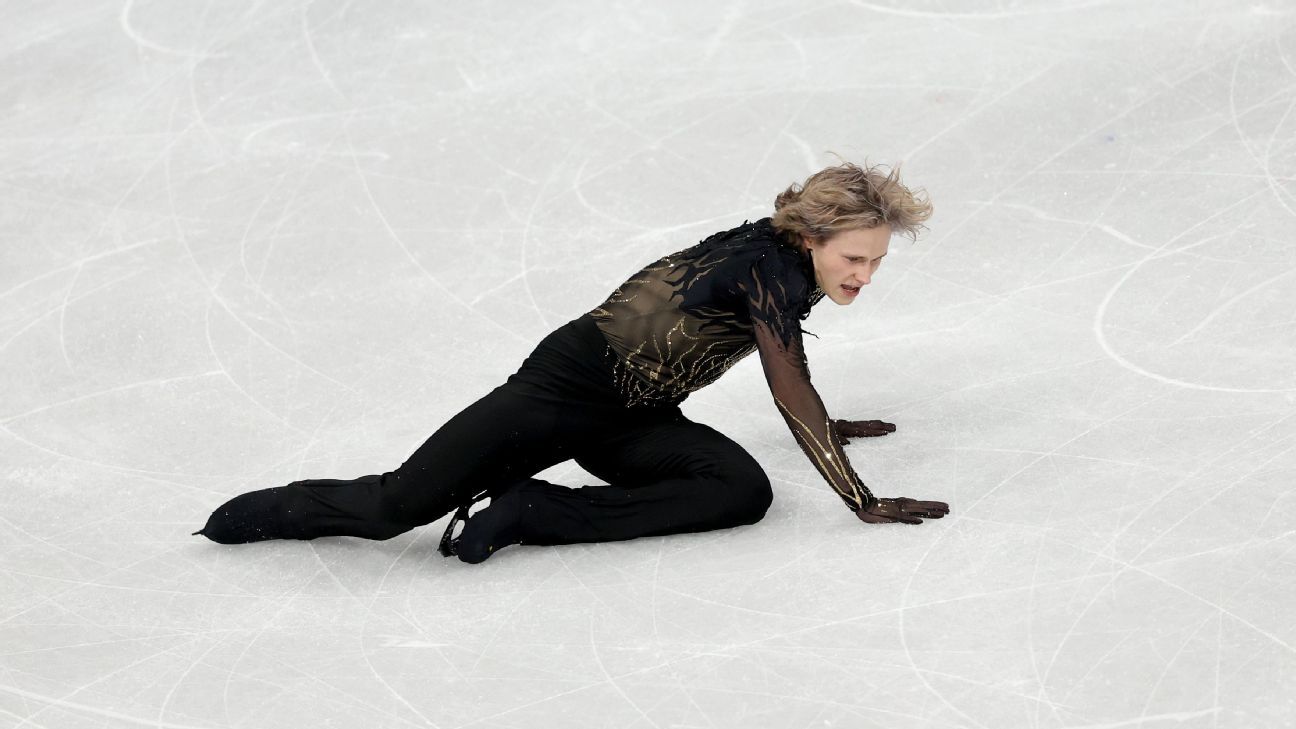
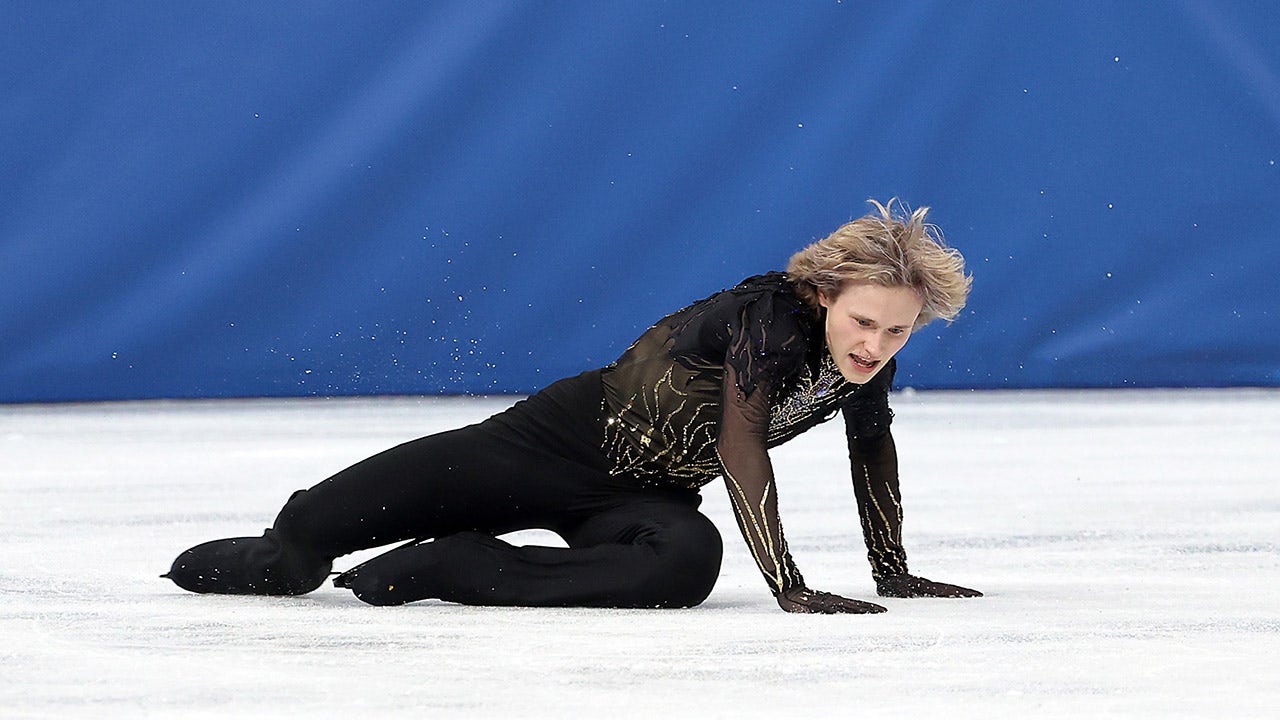
U.S. figure skater Ilia Malinin, widely considered the heavy favorite for Olympic gold, finished eighth in the men’s free skate, marking one of the most significant competitive disruptions of the 2026 Winter Games. The outcome, which saw Malinin fall twice during his performance, shocked fans and pundits who had anticipated a dominant victory from the athlete nicknamed the “Quad God.” His performance unraveled after he failed to execute his signature quad axel, leading to a stunning eighth-place finish and challenging his long-held position as the sport’s most reliable competitor.
This failure fundamentally alters the trajectory of men’s figure skating. Malinin had dominated competition for three years leading up to the Olympics, establishing himself as the sport’s “biggest sure thing in decades.” His collapse reintroduces competitive uncertainty and opens the door for other athletes, including Mikhail Shaidorov of Kazakhstan, who emerged victorious. This shift in competitive dynamics forces a reevaluation of future strategic planning for national federations and individual athletes, who must now contend with a less predictable landscape.
The Psychology of High-Stakes Performance Breakdown
Malinin’s post-competition statements immediately pointed to psychological factors underlying his failure. He revealed that his mind became flooded with “thoughts and memories” just before his routine, overwhelming him and contributing to the breakdown. This internal struggle, described by Malinin as the “pressure of especially being that Olympic gold medal hopeful,” highlights the unique psychological burden placed on athletes in high-stakes environments, where expectations often supersede the technical demands of the performance itself.
The severity of the psychological impact is underscored by the fact that Malinin’s performance unraveled despite holding a five-point lead after the short program. The pressure, which Malinin stated “not a lot of people understand,” manifested as a critical operational failure, transforming a seemingly insurmountable lead into a significant loss. This event provides a stark illustration of how mental fortitude, rather than technical skill alone, serves as the ultimate determinant of success in elite competition.
Proactive Media Management and Narrative Control
Following the event, Malinin implemented a strategic decision to postpone his scheduled media session. This move allowed him to avoid immediate scrutiny and formulate a controlled response, delaying engagement with traditional media outlets to craft a specific narrative. The subsequent public statement, posted on Instagram, served as a direct-to-consumer communication strategy designed to manage public perception.
Malinin’s Instagram post, released on Monday, Feb. 16, explicitly addressed the mental health challenges he faced, describing himself as “fighting invisible battles” and referencing “vile online hatred.” This framing leverages a contemporary cultural shift toward mental health advocacy in sports, allowing Malinin to bypass traditional media narratives of failure and instead present a story of vulnerability and resilience. The post effectively reclaims control over his public image, transforming a competitive setback into a platform for broader discussion.
Athlete Branding and Commercial Recalibration
The reaction from high-profile figures, including Olympic gymnast Simone Biles and reigning men’s figure skating champion Nathan Chen, underscores the significance of Malinin’s collapse within the broader athletic community. Their reported disbelief highlights the magnitude of the upset and validates the public perception of Malinin as a near-certainty for gold. This shared experience among elite athletes reinforces the structural nature of pressure in high-stakes sports.
Malinin’s strategic decision to address “vile online hatred” and frame his experience as a mental health struggle aligns him with a broader cultural conversation, potentially transforming a competitive failure into a powerful narrative of resilience. The Instagram post also included a teaser for an event “coming February 21, 2026,” which USA TODAY Sports confirmed likely refers to the figure exhibition gala. This strategic timing indicates a calculated effort to leverage post-Olympic attention, shifting focus from past performance to future endeavors. By emphasizing personal narrative over competitive results, Malinin creates new commercial opportunities and strengthens his long-term brand value beyond traditional endorsements tied solely to competitive success.
Structural Challenges and Long-Term Implications
Malinin’s experience highlights a critical structural challenge in elite sports: the gap between public perception of athletic invincibility and the reality of psychological vulnerability. The self-given nickname “Quad God,” while effective for branding, creates an expectation of flawless performance that increases psychological pressure. When this expectation meets the high-stakes environment of the Olympics, the potential for performance breakdown increases significantly.
Malinin’s statement that “not a lot of people understand” the pressure of the Olympics underscores the institutional challenge of providing adequate mental health support. While sports organizations have increasingly recognized the importance of athlete mental health, Malinin’s experience suggests a continued disconnect between institutional support structures and the lived experience of athletes facing intense public scrutiny. This event serves as a case study for sports federations to re-evaluate their approaches to athlete welfare and psychological preparedness for high-stakes competition. His ability to manage the psychological fallout and regain competitive dominance in subsequent seasons will determine the long-term impact on his career.