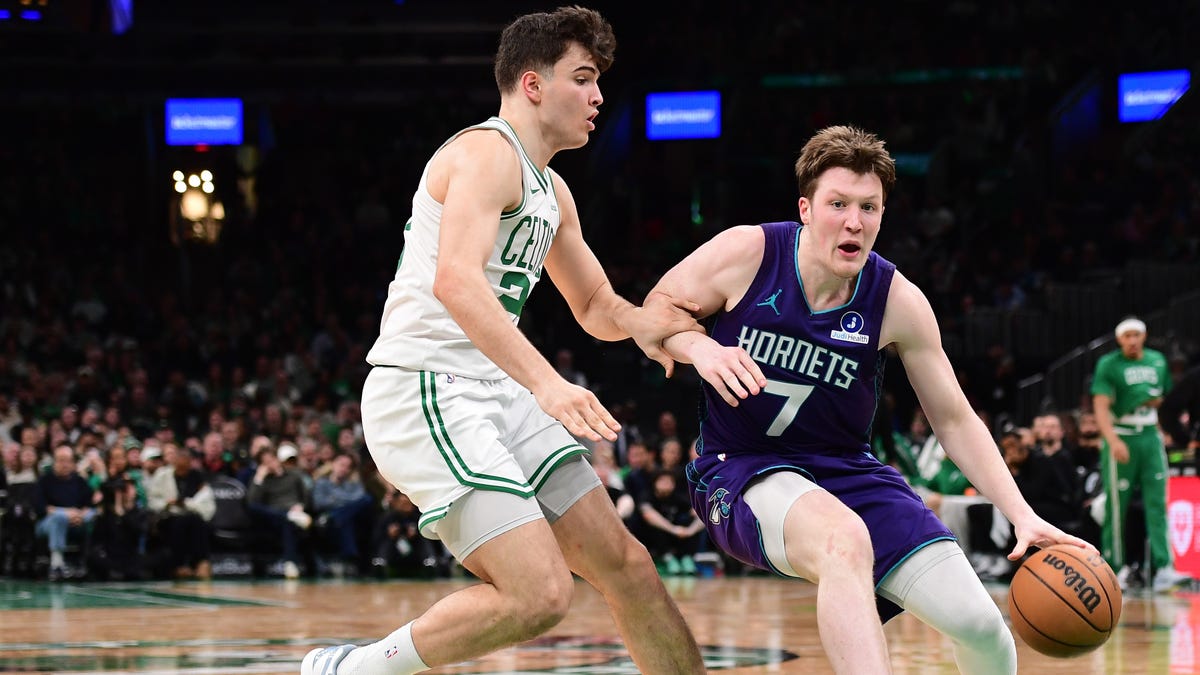
Strategic Convergence: The Hornets’ Turnaround and Celtics’ Influence
The upcoming matchup between the Boston Celtics and the Charlotte Hornets on March 29, 2026, represents more than a standard late-season contest; it serves as a high-stakes test of strategic replication and competitive leverage within the Eastern Conference. The Hornets, having achieved a remarkable midseason turnaround, have adopted a style of play that analysts describe as strikingly similar to the Celtics’ established system. This convergence creates a unique competitive dynamic where the success of the mentee directly challenges the dominance of the mentor.
The Hornets’ recent performance metrics underscore the effectiveness of their strategic shift. Since January 1, Charlotte has compiled a 28-12 record, positioning them among the league’s elite teams during this period. Over this span, the team boasts the NBA’s top net rating at 11.5, driven by a league-leading offensive rating of 121.1 and a top-tier defensive rating of 109.5. This statistical profile indicates a profound operational transformation, moving from a sub-.500 team to one performing at a championship-contending level over a significant sample size.
Performance Leverage and Stylistic Parallels
The strategic parallels between the two franchises are not coincidental; they reflect a shared understanding of modern basketball’s high-leverage metrics. Both teams prioritize three-point volume and offensive rebounding, two statistical categories known to correlate strongly with offensive efficiency and overall success. The Hornets lead the league in three-pointers made this season with 1,193, while the Celtics rank third with 1,113. This shared emphasis on perimeter scoring volume defines their offensive identity and creates significant spacing advantages.
Furthermore, both teams excel in winning the margins through second-chance opportunities. The Celtics rank fourth in offensive rebounds per game, and the Hornets rank seventh. This focus on offensive rebounding mitigates the inherent volatility of high-volume three-point shooting by providing additional possessions and high-percentage follow-up shots. The combination of these two elements—three-point volume and offensive rebounding—forms a high-leverage strategic framework that maximizes scoring potential and minimizes opponent transition opportunities.
Competitive Implications and Strategic Validation
The Hornets’ midseason turnaround from 12 games below .500 to a 39-34 record highlights the significant impact of strategic adjustments and player development. This transformation validates the strategic decisions made by the Hornets’ front office and coaching staff, positioning them as a rising force in the Eastern Conference and altering their long-term competitive trajectory. For the Celtics, this matchup tests their ability to maintain strategic dominance against a team that has successfully replicated their blueprint. The Celtics’ established success (49-24 record, second in the Eastern Conference) provides the benchmark against which the Hornets’ progress is measured.
The strategic alignment also carries implications for roster construction. The Hornets’ success validates the value of acquiring players who fit this high-leverage model, increasing the value of specific player skill sets in the free agency and trade markets for both teams. The matchup serves as a test of strategic adaptability; while the Hornets have successfully mirrored the Celtics’ style, the Celtics’ ability to counter or adapt to their own strategy being used against them will be crucial. This dynamic forces both teams to demonstrate not only execution but also strategic flexibility, in-game flexibility.
Playoff Context and Seeding Dynamics
The game holds significant implications for both teams’ playoff positioning. The Celtics are currently focused on securing a top seed, trailing the first-place Detroit Pistons by 4.5 games and maintaining a 1.5-game lead over the third-place New York Knicks. Their objective is to secure home-court advantage through the early rounds of the playoffs, making every win critical for maintaining separation from the chasing pack.
The Hornets, however, face a more immediate and high-stakes battle for playoff entry. Tied with the Miami Heat for ninth place in the East, they are fighting to secure a spot in the play-in tournament. The half-game deficit behind the Orlando Magic for eighth place means every game carries significant weight for their postseason aspirations. The outcome of this specific matchup directly influences their ability to climb out of the play-in tournament and secure a guaranteed playoff spot, or at minimum, improve their seeding within the play-in structure.
Operational Challenges and Performance Volatility
The Hornets enter the game facing operational challenges related to scheduling. They are playing on the second night of a back-to-back, having hosted the Philadelphia 76ers the previous night. While the Hornets have demonstrated resilience in these situations with a 10-4 record in the second game of back-to-backs, this scheduling constraint introduces a variable of player fatigue and potential performance regression. The Celtics, conversely, are playing the first game of a back-to-back, providing them with a potential rest advantage.
The source data highlights the inherent volatility of midseason performance shifts. The Hornets’ transformation from a struggling team to a statistical powerhouse demonstrates that strategic adjustments can yield rapid results, but sustaining this level of performance requires consistent execution. The Celtics’ own history of midseason turnarounds further illustrates that even established high-performing teams experience fluctuations in efficiency and strategic focus over the course of a long season.
Market Impact and Strategic Homogenization
The Hornets’ midseason turnaround carries significant financial and market implications. A successful strategic shift and improved performance trajectory increase fan engagement, ticket sales, and media interest. For a team fighting for playoff positioning, this surge validates investment in the current roster and coaching staff, potentially leading to increased revenue streams and long-term stability.
The success of both teams in leveraging three-point volume and offensive rebounding demonstrates a clear pathway to competitive advantage in the modern NBA. This strategic convergence influences how other franchises evaluate their own performance and potentially accelerates the adoption of similar high-leverage strategies across the league, further homogenizing strategic approaches at the elite level. The Celtics, as an established high-value franchise, maintain consistent market leverage, but the rise of a competitive challenger like the Hornets adds intrigue and value to conference matchups.
Conclusion: A Test of Strategic Dominance and Replication
The March 29 matchup between the Celtics and Hornets represents a critical juncture in the Eastern Conference race. The Hornets’ strategic replication of the Celtics’ high-leverage style, combined with their exceptional recent performance metrics, positions them as a formidable challenger. The game will test the Celtics’ ability to maintain strategic dominance against a successful imitator while simultaneously determining the Hornets’ immediate playoff fate. The outcome will provide valuable insight into the effectiveness of strategic replication and its impact on competitive balance within the league.