Strategic Pivot in Platform Prioritization
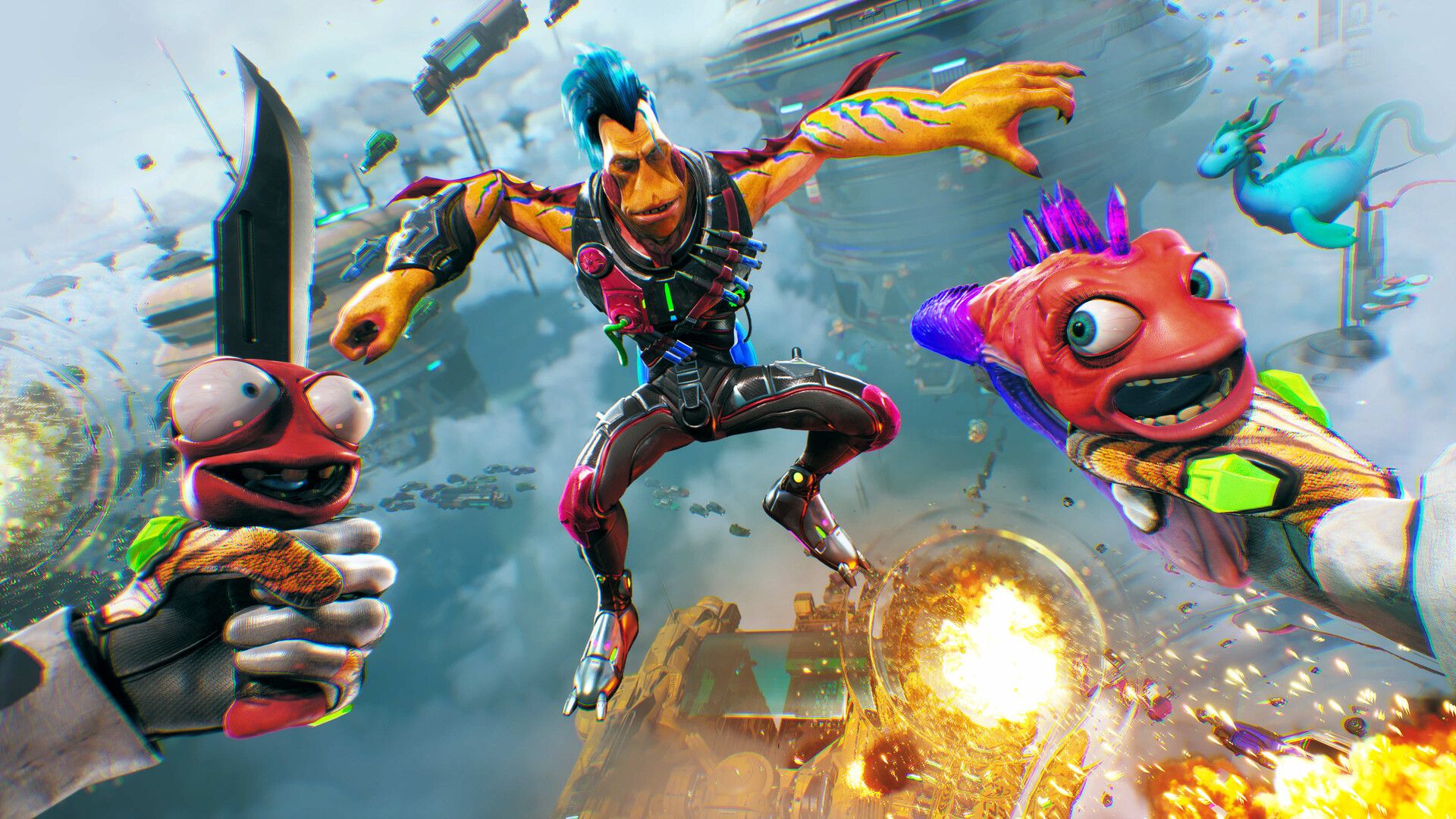
Squanch Games has confirmed a significant change in its development strategy for the release of High On Life 2. While the original title in the series was known for its initial exclusivity within the Xbox ecosystem, the sequel establishes the PlayStation 5 as its primary development platform.
Squanch Games CEO characterized the decision to prioritize the Sony console as a logical business move. The executive noted that the behavior of the PlayStation user base differs significantly from other ecosystems, specifically regarding direct software acquisitions.
The shift away from a focus on subscription services like Game Pass suggests a calculated attempt to capture a different segment of the market. This decision aligns with observations that PlayStation users are more inclined to purchase titles directly through the platform storefront rather than accessing them through a rotating library.
Integrating Movement Mechanics into Combat
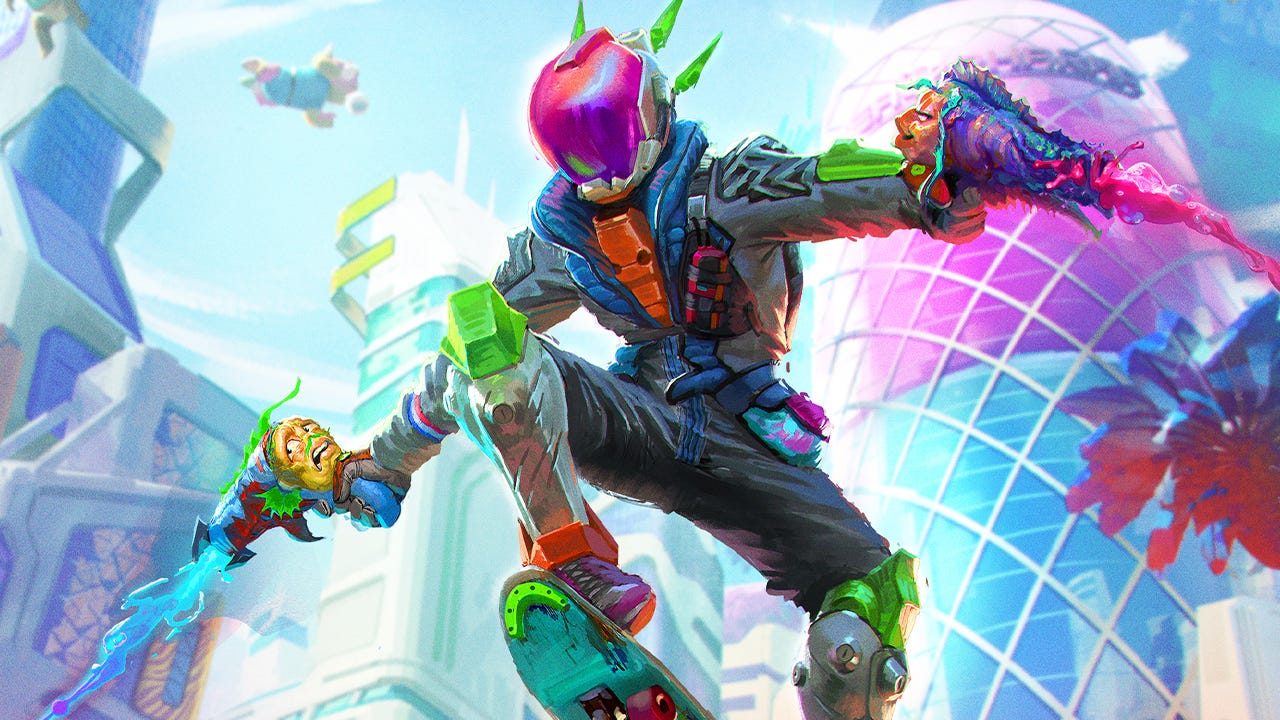
Beyond the business strategy, the sequel introduces fundamental changes to gameplay through the inclusion of skateboarding. Erich Meyr, the Chief Design Officer at Squanch Games, detailed how these movement systems alter the core experience of the first-person shooter.
The integration of skateboarding is intended to provide a sense of momentum and verticality that differentiates the title from traditional shooters. This mechanical addition focuses on how players navigate environments while engaging in the comedic combat scenarios the studio is known for producing.
Designing a shooter around skateboarding requires a specific focus on physics and player control. The goal is to ensure that the speed of the board complements the accuracy required for the shooting mechanics without creating a frustrating user experience.
The Complexity of Comedy in Game Sequels
Developing a sequel to a comedy-focused game presents unique creative hurdles that the team at Squanch Games has acknowledged. Traditional industry wisdom suggests that humor often loses its impact when repeated, making the expansion of the world and its jokes a delicate process.
To combat the risk of repetitive content, the studio is leaning into mechanical innovation alongside its narrative elements. The addition of skateboarding serves as a tool to keep the gameplay fresh even as the writing continues the established tone of the original game.
By evolving the way players interact with the world, the developers aim to avoid the pitfalls common in comedy sequels. The focus remains on providing a new experience that does not merely retread the jokes or situations found in the first title.
Market Forces and Platform Loyalty
The decision to lead development on PlayStation 5 reflects broader trends in how mid-sized studios manage limited resources. By selecting a lead platform, developers can optimize the user experience for a specific set of hardware before porting the game elsewhere.
The CEO’s statement regarding the PlayStation audience underscores the importance of platform-specific purchasing habits. In an era where subscription models are becoming more common, the direct sales model of the PlayStation Store remains a high-value target for independent and mid-sized publishers.
This move highlights a transition from early-stage growth strategies to a more established revenue model. By targeting a platform where users are culturally conditioned to buy individual games, Squanch Games is positioning the sequel for immediate financial performance upon its launch.
Technical Implications of the Lead Platform Model
When a studio designates a lead platform, the technical specifications of that hardware dictate the baseline for performance and visual fidelity. Developing for the PlayStation 5 first allows the team to utilize specific controller features and processing capabilities as the foundational layer of the game.
This approach often results in fewer technical errors and a more polished release on the primary console. The transition from Xbox to PlayStation as the lead environment suggests the studio is prioritizing the hardware capabilities and market reach of the Sony system for this specific lifecycle.
While the game will be available on other systems, the optimization process starts with the lead platform. This ensures that the most active segment of the expected player base receives a version of the game that fully utilizes their hardware of choice.
The Role of Genre Hybridization
Combining elements from two distinct genres, such as extreme sports and first-person shooters, is a method used to disrupt established market standards. This hybridization creates a unique selling point that appeals to both fans of the original game and those looking for new gameplay systems.
The success of this approach depends on the balance between the two different styles of play. Erich Meyr and the design team must ensure that the skateboarding feels authentic while the shooting remains the primary method of progression through the story.
This tactical decision to blend genres serves as a hedge against the exhaustion often found in long-running shooter franchises. By introducing a completely different mode of movement, the sequel attempts to redefine the pace of play for its audience.
Institutional Strategy and Launch Timing
The timing of the High On Life 2 launch coincides with a period of high competition in the gaming industry. Choosing to launch with a focus on a platform where the game can be sold at full price reflects a clear prioritization of immediate return on investment over the long-term reach of a subscription service.
This strategy is particularly relevant for studios that have already established a brand identity. Having proven the concept with the first game, Squanch Games is now leveraging that brand to drive direct sales among a loyal and diverse gaming audience.
The move represents a transition into a more traditional publishing model that relies on the strength of the intellectual property. By focusing on the PlayStation market, the studio is betting on the specific demand for its unique brand of humor and action among that console’s demographic.