Institutional Restructuring and Team Downsizing
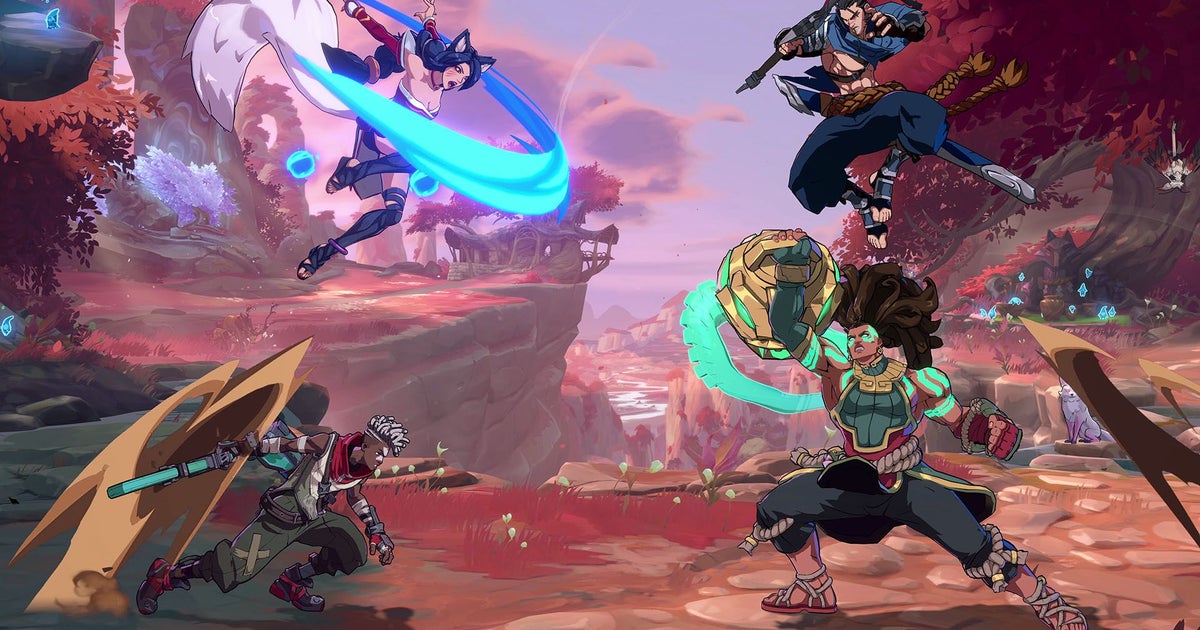
Riot Games has officially confirmed a strategic reduction in the workforce dedicated to 2XKO, a free-to-play fighting title. Approximately 80 employees have been affected by this downsizing initiative, according to official statements from the executive leadership. This administrative decision follows the title’s transition from a long-term development phase into its current release status across multiple platforms.
The reduction in personnel serves as a significant indicator of changing resource allocation within the studio’s broader portfolio. While the project has been under development for several years, the current team size was deemed unsustainable based on the project’s performance metrics and long-term requirements. This move highlights the rigid fiscal accountability frameworks often applied to high-budget gaming projects in the modern market.
Development Lifecycle and Strategic Realignment
The history of 2XKO, originally announced as Project L in 2019, represents a decade-long investment in the fighting game genre. The game entered early access on PC in late 2025, followed by a console release in January 2026. The decision to downsize the team less than a month after its console debut suggests an institutional shift in how the project is managed during its live-service phase.
From an administrative perspective, the transition from active development to live-service maintenance often requires a different staffing profile. However, the scale of this reduction reflects a deeper structural adjustment beyond routine post-launch stabilization. The executive producer noted that the title has not yet reached the level necessary to support a team of the original size over a long-term horizon.
The Economics of Free-to-Play Infrastructure
As a free-to-play title, 2XKO operates under a specific monetization policy that requires high user retention and consistent revenue streams to justify large-scale operations. Institutional strategy in this sector dictates that staffing must remain proportional to the actual and projected revenue generated by the player base. When performance levels fall short of these internal benchmarks, corporations frequently resort to downsizing to preserve the project’s overall viability.
This framework of operational efficiency is a common constraint for studios managing live-service games. The necessity for the title to support its own overhead influences every aspect of team management and content production. Consequently, the downsizing is a direct response to the institutional assessment of the game’s current market standing and its ability to fund continued large-scale development.
Administrative Justification and Corporate Transparency
The announcement regarding 2XKO was presented as a necessary update to provide clarity on the project’s changing internal structure. By explicitly stating that the game hasn’t reached the required level for its previous team size, the studio is providing a performance-based justification for the layoffs. This level of transparency is often used to manage institutional reputation during periods of contraction.
It is important to note that these administrative actions are part of a broader trend of recalibrating studio resources post-launch. The focus now shifts to how the remaining team will manage the title’s maintenance and future updates. The institutional priority appears to be the establishment of a sustainable operational model that matches the current scale of the game’s engagement metrics.
Operational Constraints in the Fighting Game Genre
Developing and maintaining a fighting game presents unique structural challenges, particularly regarding balance, networking, and community management. These requirements often necessitate a specialized workforce during the final stages of development and the initial launch window. Once the core systems are established, the administrative logic may favor a leaner team focused on iterative updates rather than foundational building.
However, the rapid nature of these layoffs following the console release indicates a swift internal review of the project’s financial trajectory. This suggests that the benchmarks for success are being applied with increasing rigor within the corporate environment. The decision to reduce the workforce is a strategic maneuver intended to align the project’s costs with its current institutional value.
Future Trajectory of 2XKO and Riot Games
The reduction of 80 staff members represents a significant portion of the talent that brought 2XKO from its initial concept to its multi-platform launch. This shift signals a new phase for the title, characterized by a more controlled and potentially more cautious approach to future development. The studio continues to navigate the complexities of managing a diverse portfolio of live-service games while balancing shareholder and organizational expectations.
In conclusion, the downsizing of the 2XKO team is a result of structural incentives prioritized by Riot Games to ensure the title’s long-term sustainability within its current market performance. The focus remains on whether the game can achieve the necessary growth to justify future expansions or if it will continue on a reduced operational scale. This development serves as a case study in the administrative challenges of launching and maintaining high-profile free-to-play titles in a competitive landscape.