Judicial Intervention in State Law Enforcement Mandates
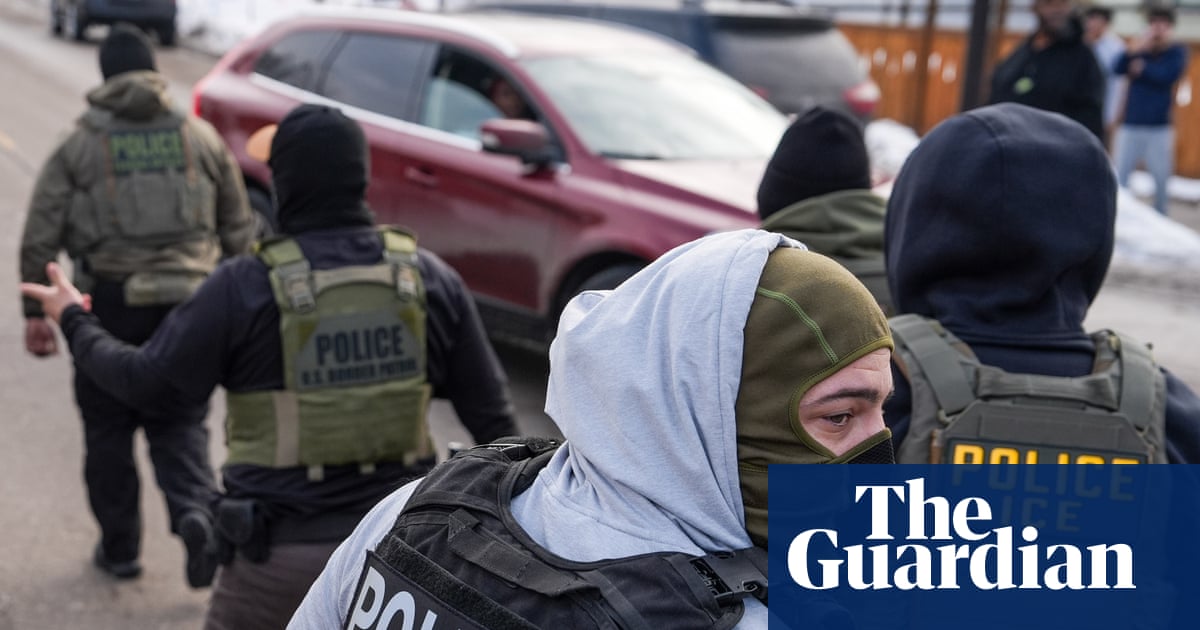
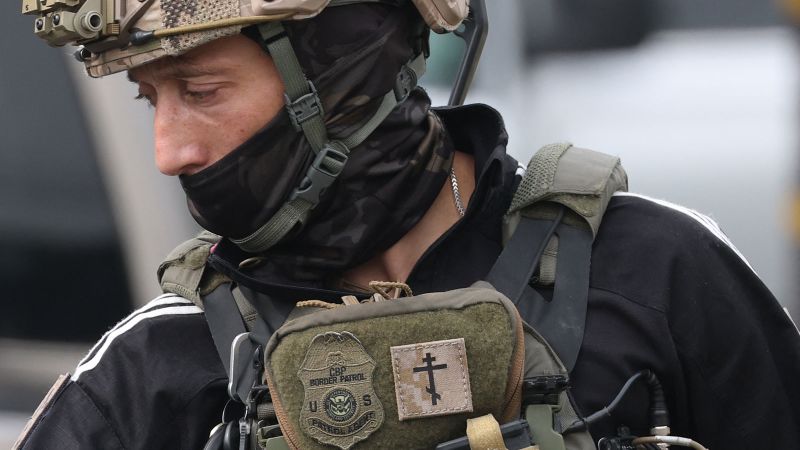
A United States District Judge has issued a temporary injunction to halt the enforcement of a California statute designed to prohibit law enforcement officers from wearing masks during operational duties. This judicial action specifically addresses the application of the state law to federal immigration agents operating within the jurisdictional boundaries of California.
US District Judge Christina Snyder presided over the decision, which temporarily suspends the implementation of the mask ban. The ruling highlights a significant intersection between state-level legislative intent and federal administrative autonomy in the execution of law enforcement protocols.
Structural Conflicts in Jurisdictional Authority
The conflict arises from the state of California attempting to regulate the tactical and operational appearances of law enforcement personnel. When state regulations intersect with the functions of federal agencies, such as Immigration and Customs Enforcement, the legal system must determine the extent of state oversight over federal employees.
This case underscores the administrative friction that occurs when state legislatures impose standards that may conflict with the internal operational security measures of federal departments. The temporary block serves as a procedural mechanism to prevent the enforcement of the law while the underlying legal arguments regarding federal preemption are thoroughly examined.
Institutional Logic of Operational Security
Masking in law enforcement operations often serves specific institutional purposes related to the protection of individual identities and tactical surprise. From a policy perspective, the use of facial coverings is categorized as a measure of operational security designed to mitigate personal risks to officers in sensitive environments.
The California mandate sought to increase public transparency and accountability by requiring visible facial recognition for all officers. However, the federal judicial block suggests that the state’s interest in transparency may not currently supersede the federal government’s interest in managing its own agents’ safety protocols.
The Role of Identification and Accountability
Despite the temporary suspension of the mask ban, the court noted that federal agents are not exempt from all identification standards. The ruling clarifies that federal agents must still adhere to requirements for wearing clear, visible identification during their operations.
This administrative requirement functions as a compromise between the total anonymity that a mask might provide and the total visibility mandated by the state law. By maintaining identification requirements, the judicial system preserves a layer of institutional accountability while allowing for the continued use of protective masking.
Administrative Mechanisms of the Temporary Block
A temporary block, or preliminary injunction, is a strategic judicial tool used to maintain the status quo when a law is likely to face significant legal challenges. In this context, the judge has determined that immediate enforcement of the California mask ban could lead to irreparable harm or operational disruption for federal agencies.
The administrative burden of altering federal tactical protocols to comply with shifting state laws is a central concern in such proceedings. The court must balance the state’s legislative sovereignty against the necessity of a uniform and predictable operational environment for federal immigration authorities.
Legal Standards for Preliminary Injunctions
The issuance of this block indicates that the court has found sufficient reason to pause the law based on the merits of the arguments presented by federal representatives. Under standard legal frameworks, such an injunction requires a demonstration that the moving party is likely to succeed on the merits and that the balance of equities tips in their favor.
This procedural step does not constitute a final ruling on the constitutionality or permanent validity of the California law. Instead, it acts as a stabilizing measure within the legal system to allow for a comprehensive review of how state police powers interact with federal executive mandates.
Policy Implications for Federal-State Relations
This development serves as a critical indicator of the ongoing structural tension between California’s regulatory goals and federal law enforcement priorities. The state’s move to ban masks represents a specific policy approach to civilian-police interactions, prioritizing immediate visual identification as a deterrent to misconduct.
Conversely, the federal resistance to such bans is rooted in the administrative necessity of protecting agents who may work in undercover or high-risk capacities. The judicial intervention highlights the difficulty of applying a singular state-wide standard to federal entities that operate under a separate chain of command and legal framework.
Institutional Oversight and Future Proceedings
The decision by Judge Snyder places the California mask ban in a state of administrative suspension, pending further deliberation within the federal court system. This pause allows for a deeper exploration of the statutory language and the specific impacts on immigration enforcement operations.
Stakeholders in both the state government and federal law enforcement agencies must now navigate a period of legal uncertainty. The final resolution of this case will likely set an important precedent for the degree of control states can exert over the operational aesthetics and safety equipment used by federal personnel on state soil.
Synthesis of Judicial and Executive Conflict
The judicial block of the California mask ban is more than a localized legal dispute; it is a manifestation of the structural hierarchy within the United States legal system. It demonstrates the capacity of the federal judiciary to act as a buffer between state legislative initiatives and the functional requirements of federal agencies.
As the case progresses, the court will continue to evaluate the institutional claims of safety versus the legislative claims of accountability. The outcome will ultimately define the boundaries of state police power when it attempts to penetrate the operational protocols of the federal government.