Subnautica 2: Leviathan Apex Predators Dictate Early Access Survival Strategy
Subnautica 2’s impending Early Access launch redefines its alien ocean not merely as a backdrop for exploration, but as a dynamic, hostile ecosystem governed by formidable apex predators. The deliberate introduction of Leviathans, colossal threats, imbues the game’s progression with inherent risk and strategic depth, directly influencing player decision-making and survival priorities from the outset.
The confirmed Leviathans—the Collector, the Shiver, and the World Tree—represent distinct, ecosystem-defining challenges. Their strategic placement and behavioral patterns act as environmental barriers and resource gatekeepers, necessitating specific technological advancements and survival tactics. This forces players to engage with the game’s core loops of research, crafting, and resource acquisition to navigate the alien world.
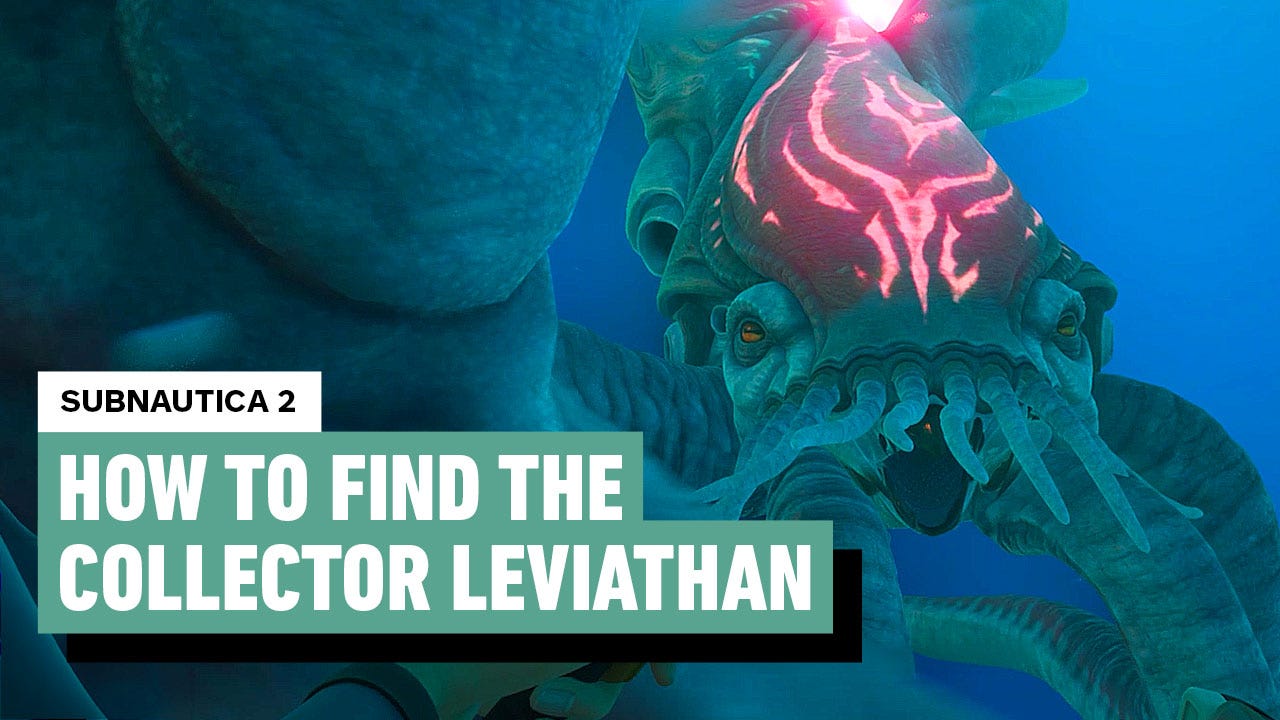
The Collector Leviathan: A Strategic Gatekeeper to Advanced Biomes
The Collector Leviathan functions as a critical gatekeeper, obstructing the transition from early-game zones to resource-rich, higher-tier biomes. This design ensures players cannot bypass initial survival and infrastructure development, compelling them to master early-game mechanics and resource management.
Overcoming the Collector requires advanced technological prerequisites, including the fabrication of specialized vehicles like the Tadpole (if applicable) and the construction of advanced facilities such as the Moonpool and Vehicle Fabricator. This dependency highlights a progression model that rewards strategic planning and resource investment to circumvent environmental obstacles.
The necessity of scanning specific targets or building advanced fabrication infrastructure directly influences player pacing, mandating engagement with Subnautica 2’s core crafting and research systems before accessing advanced content.
The Shiver Leviathan: An Immediate and Pervasive Lethal Threat
The Shiver Leviathan, characterized by its distinctive bone-skull and sharp fins, presents an immediate and potentially lethal threat. Its design, capable of “instant death” encounters, demands extreme caution and preparedness, acting as a constant deterrent against reckless exploration.
This creature’s pervasive danger within its operational zones forces players to adopt adaptive exploration strategies, focusing on route planning, stealth, and environmental awareness to avoid direct confrontation. This significantly increases the perceived risk associated with certain biomes.
The strategic deployment of such high-threat entities early in the game’s lifecycle, particularly during Early Access, provides developers with crucial data on player adaptation and threat-balancing. This iterative feedback loop is vital for refining long-term survival mechanics and ensuring a challenging, rewarding experience.
The World Tree: A Cryptic, High-Tier Environmental Hazard
While specific mechanics for the World Tree remain less detailed, its classification as a Leviathan suggests a significant, potentially biome-defining entity. Its name implies a scale and ecological importance that could integrate it into the game’s narrative or overarching environmental challenges.
The existence of a third, distinct Leviathan type establishes a tiered threat structure within Subnautica 2’s ecosystem. This layering of challenges ensures that player progression is multifaceted, requiring not only gear acquisition but also a deep understanding of the alien ocean’s hierarchical dangers.
The anticipation of further Leviathan additions through Early Access updates signals a commitment to an evolving threat landscape. This ongoing development strategy aims to maintain player engagement by continually introducing new challenges and requiring strategic adaptation.
Cross-Promotional Marketing and Community Engagement
The collaboration with Noh Mi-young, artist of the Webtoon “LEVIATHAN,” for the game’s Early Access launch exemplifies a strategic cross-promotional marketing approach. This initiative leverages existing fan bases and introduces the Subnautica universe to a broader audience through a complementary narrative medium.
Integrating Subnautica’s Leviathans into a post-apocalyptic Webtoon context provides a unique cultural touchpoint, potentially enhancing brand recognition and player investment by amplifying the thematic resonance of the game’s core threats.
Active community engagement via official Discord servers and promotion of wishlisting across platforms (Steam, Xbox, Epic Games) indicate a concerted effort to build and foster the player community prior to and during the Early Access period, vital for gathering feedback and ensuring shared development.
Early Access: A Strategic Phase for Iterative Development
Designating Subnautica 2’s launch as Early Access is a critical strategic decision, implying that the current Leviathan threat mechanics are subject to iterative refinement based on player feedback. This phase is essential for direct input on difficulty, balance, and the overall impact of these creatures on gameplay.
The developers’ explicit mention of adding more Leviathans via updates underscores a long-term vision for the game’s content and challenge structure. This strategy aims to sustain player interest and provide a continuously evolving experience, a hallmark of successful Early Access titles.
The strategic deployment of formidable Leviathans from the game’s inception defines the core gameplay loop of Subnautica 2: exploration tempered by significant peril. This approach ensures the alien ocean is perceived not just as a creative sandbox, but as a genuinely hazardous environment demanding respect and strategic mastery.
Subnautica 2’s Early Access success will likely depend on the developers’ ability to meticulously balance the inherent terror of Leviathans with satisfying, rewarding progression systems. The current design, with distinct roles for each confirmed creature, suggests a deliberate effort to create a varied and engaging challenge that will evolve dynamically with player input and developer iteration.