
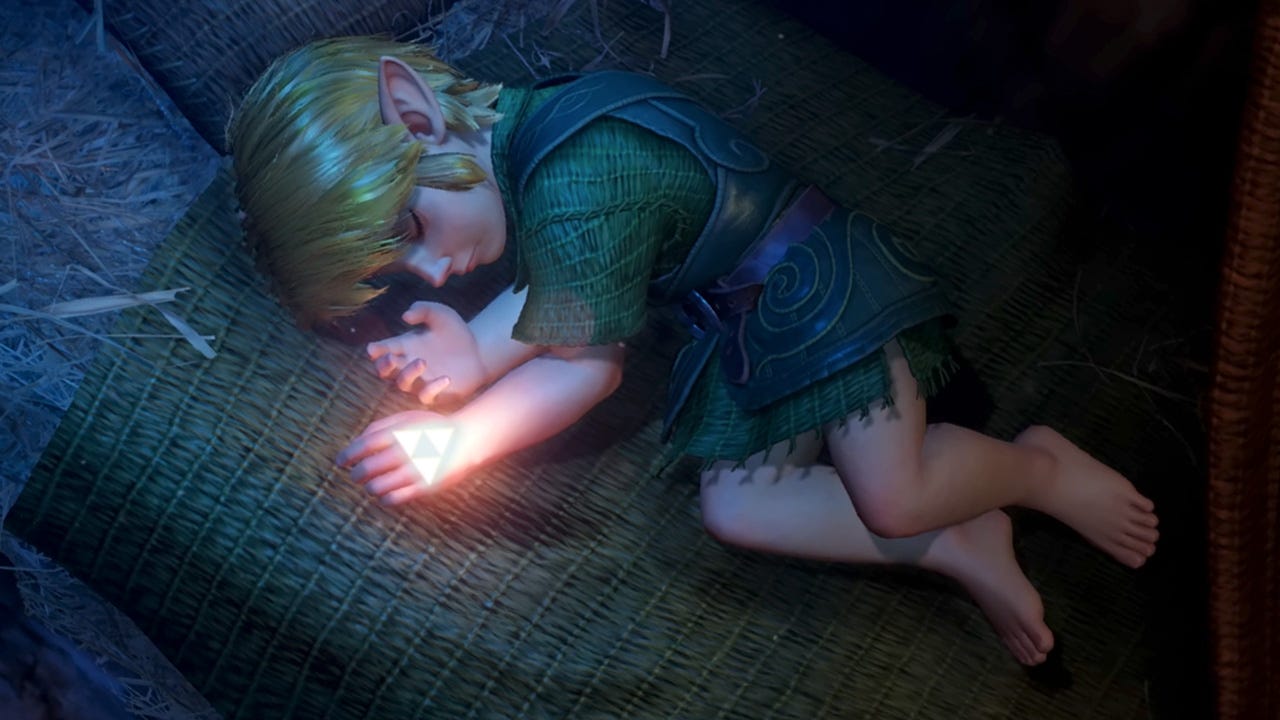
A platform infrastructure vulnerability on the Australian digital storefront inadvertently exposed pricing tiers for anticipated legacy adaptations ahead of formal corporate presentations. Specifically, the digital edition of The Legend of Zelda: Ocarina of Time appeared listed at ninety-four dollars and ninety-five cents in Australian currency. Although promptly removed, this data point establishes concrete insight into how legacy intellectual property is monetized on successor hardware.
Evaluating Software Tiers and Market Positioning
Cross-referencing this regional figure indicates that the title occupies a mid-tier pricing band rather than the apex valuation reserved for flagship original releases. Contemporaneous software titles such as Yoshi and the Mysterious Book occupy identical brackets, equating to fifty-nine dollars and ninety-nine cents in the United States. This structuring confirms that platform holders deploy a segmented pricing architecture rather than applying uniform cost models.
This valuation sits noticeably below the apex seventy-nine-dollar-and-ninety-nine-cent price points commanded by massive open-world flagships like Breath of the Kingdom or Tears of the Kingdom. The separation between foundational new intellectual properties and classic property updates reflects risk management and consumer psychological alignment, allowing publishers to maintain diverse volume velocity across the installed hardware base.
Hardware Constraints and Catalog Distribution Dynamics
The economic framework of the Switch 2 catalog incorporates differentiation between physical media and digital distribution formats. Newer physical releases frequently exhibit cost premiums driven by manufacturing and retail distribution overhead. Conversely, Star Fox demonstrated a lower digital entry point at forty-nine dollars and ninety-nine cents, proving that mid-tier software spans multiple valuation layers to test demand elasticities across distinct consumer segments.
Strategic Implications of Pre-Broadcast Exposure
Unplanned catalog exposures immediately before scheduled broadcasts alter the intended narrative flow of dedicated direct marketing events, allowing analysts to decode underlying business models early. Ultimately, the inclusion of Ocarina of Time within this pricing tier suggests a curated adaptation rather than a complete franchise reinvention, helping stakeholders calibrate expectations regarding development investment behind major legacy revivals.
Photo by joatseu on Pixabay.