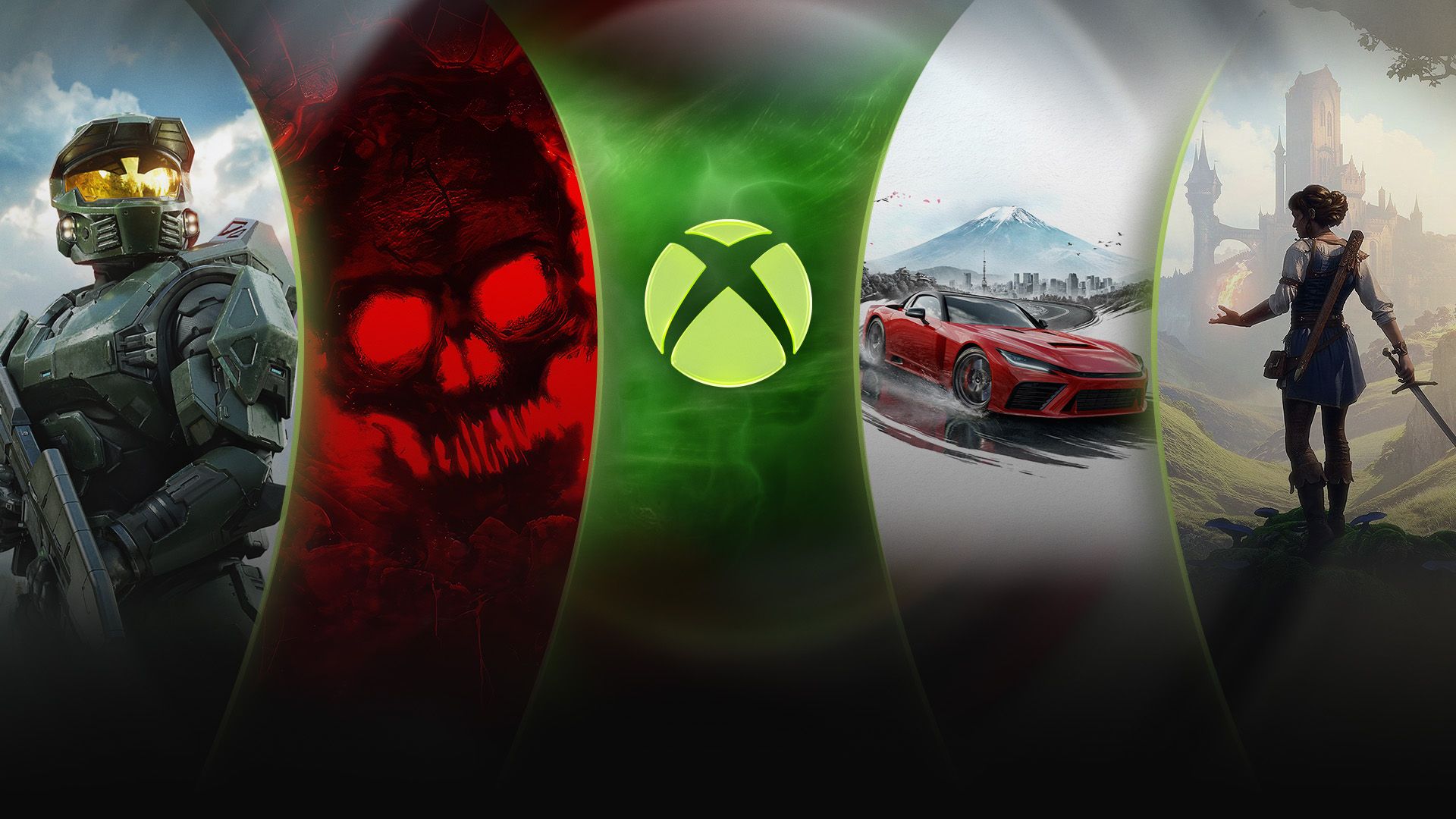
The 25th anniversary of Xbox emerges not merely as a commemorative milestone, but as a critical strategic pivot for Microsoft’s gaming division amidst profound institutional volatility. While the official narrative centers on uniting players through shared digital worlds, the operational reality has been redefined by a massive structural reset across Xbox Game Studios. In response, Xbox is leveraging community-created designs from notable figures like Klobrille and Ben Kenobi, integrating fan-produced gamerpics, backgrounds, and dynamic themes directly into the console ecosystem. This strategic decentralization of brand identity utilizes the social capital of high-authority community members, effectively bridging the gap between corporate management and a potentially disillusioned user base.
This initiative represents a low-overhead engagement strategy, prioritizing organic reach over costly traditional marketing. By inviting further community submissions via social media, Xbox strategically crowdsources brand loyalty, mitigating the impact of significantly constrained internal creative resources following fiscal austerity measures.
Strategic Recalibration: Post-Layoff Landscape
This commemorative period is undeniably shadowed by the fallout from 3,200 layoffs announced in July, a restructuring that targeted core creative pillars including Compulsion Games, Ninja Theory, Double Fine, and Undead Labs. These studios, once central to Xbox’s first-party exclusivity strategy, were either downsized or effectively dissolved, signaling a definitive departure from the aggressive acquisition and expansion phase characteristic of the prior decade.
The strategic intent behind these closures appears to be a narrowing of focus, exchanging the high-risk, high-reward model of diverse first-party development for intensified operational lean-ness. This controversial reset necessitates a fundamental reevaluation of Xbox’s long-term value proposition, as several studios previously earmarked to define next-generation content are now absent from the immediate roadmap.
Consequently, the 25th-anniversary celebrations, including digital gifts and FanFest announcements, function as a critical reputational stabilization mechanism. By strategically emphasizing legacy and community, Microsoft endeavors to redirect the narrative from the erosion of its studio portfolio towards a message of historical continuity and unwavering commitment to future hardware.
Leadership & Strategic Course Correction
Asha Sharma’s leadership tenure has been characterized by swift strategic reversals designed to mitigate the repercussions of prior fiscal decisions. The prompt reversal of Game Pass price hikes and a renewed commitment to next-generation hardware serve as a defensive posture, countering market perceptions of Xbox’s potential retreat from the core console space.
These maneuvers underscore a pronounced leadership priority on subscriber retention and hardware ecosystem loyalty, even as internal production capacity faces significant restructuring. The inherent tension between these aggressive cost-cutting initiatives and the public-facing celebratory narrative reveals the formidable challenge of sustaining brand prestige during a severe contraction in human capital.
Crucially for investors, the reaffirmation of next-gen hardware signals that Microsoft is not yet poised to transition into a purely software-and-service-based entity. This delineated hardware roadmap provides a vital anchor for the Game Pass ecosystem, guaranteeing a dedicated, proprietary environment for the ‘curated classic titles’ prominently featured during the anniversary period.
FanFest: Physical Engagement & Data Strategy
The comprehensive FanFest Tour schedule and associated sweepstakes announcement signal a deliberate strategy to solidify the ‘hardcore’ fan base through tangible, physical touchpoints. In an increasingly digital-first industry, these in-person events represent high-leverage opportunities for crucial data collection and direct consumer feedback—elements indispensable for a brand navigating a structural identity crisis.
Executing a global tour amidst internal downsizing underscores Microsoft’s conviction that physical community engagement remains a non-negotiable pillar of its recovery strategy. These controlled environments enable the company to meticulously shape the public narrative, reinforcing the ‘Xbox FanFest’ brand as a premium ecosystem tier seemingly impervious to internal corporate restructuring.
Additionally, the sweepstakes and curated Game Pass collections serve as immediate incentives to fortify active subscription metrics. By strategically foregrounding ‘classic’ titles, Xbox adeptly maximizes the utility of its extensive existing library, extracting further value from legacy intellectual property while the pipeline for new first-party releases remains in a state of flux post-studio closures.
Strategic Trajectories & Future Outlook
The 25-year milestone strategically frames Xbox as an indelible fixture in the video game landscape, strategically counteracting a ‘turbulent year’ that has challenged its competitive standing. The deliberate emphasis on the connection between ‘players, creators, and games’ represents a calculated effort to humanize a corporate entity perceived as prioritizing bottom-line efficiency over creative stability.
The downstream effects of the studio restructuring are anticipated to manifest in a more consolidated, risk-averse content strategy for forthcoming years. While the anniversary gifts offer immediate user gratification, the ecosystem’s long-term vitality hinges on the capacity of remaining studios to adequately address the creative void left by the dissolution or reduction of specialized developers such as Ninja Theory and Double Fine.
Furthermore, the pronounced reliance on community creators like Klobrille and Ben Kenobi points towards a broader ‘platformization’ of the Xbox brand. In this evolving model, Microsoft provides the core infrastructure, while the community increasingly assumes responsibility for cultural relevance and brand maintenance, effectively externalizing associated risks and labor.
As anniversary festivities conclude, industry attention will pivot to how the ‘next-gen hardware’ commitment translates into tangible R&D investment. Without a robust, internally-driven studio network to underpin new hardware, the intrinsic value of the Xbox console ecosystem will become progressively more reliant on robust third-party partnerships and the sustained viability of the Game Pass subscription model.
Ultimately, the 25th anniversary serves less as a celebratory victory lap and more as a strategic consolidation phase—an imperative effort to fortify the brand’s cultural equity before the next evolutionary wave of the gaming industry demands a far more decisive statement of intent from Microsoft’s gaming leadership.