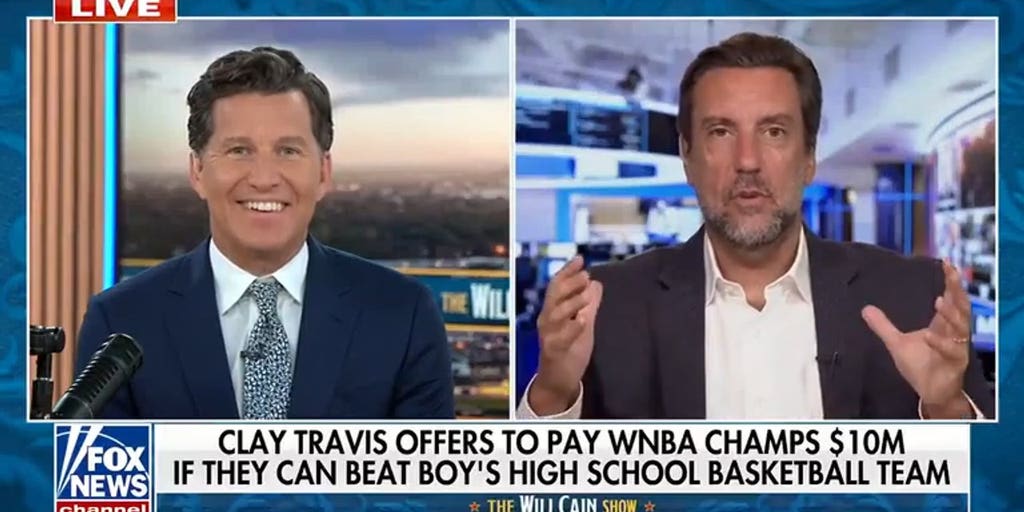
Recent public commentary surrounding the Women’s National Basketball Association (WNBA) highlights ongoing debates regarding athletic categorization and inclusion policies. OutKick founder Clay Travis utilized an appearance on The Will Cain Show to introduce proposals addressing league regulations, intersecting with broader discussions on professional eligibility standards.
During the broadcast, Travis detailed a ten million dollar financial challenge regarding league dynamics alongside an expression of interest in establishing a tentative franchise named the Nashville Balls. Described as comprising biological men, the proposal functions as a rhetorical device within the dialogue on sex-segregated competition, illustrating polarized media perspectives on sports governance.
Contextualizing Industry Controversies and Leadership Responses
The discussions intensified following remarks by Golden State Valkyries head coach Natalie Nakase regarding LGBTQ+ inclusion frameworks following a victory over the Toronto Tempo. These statements coincide with sports organizations navigating complex institutional participation criteria.
Concurrently, Travis aligned with alternative viewpoints, supporting athletes like Indiana Fever player Sophie Cunningham, who has advocated for preserving traditional categories for women in athletics. This divergence underscores the multifaceted pressures facing sports executives managing institutional policy.
Strategic and Operational Implications for Sports Leagues
The intersection of cultural discourse and sports governance introduces distinct operational considerations. Professional leagues operate under specific regulatory frameworks, collective bargaining agreements, and capital requirements governing team ownership, expansion protocols, and eligibility bylaws.
High-profile commentary influences brand positioning and stakeholder relations. Administrators must balance public relations strategies with core athletic missions, managing diverse viewpoints among players, coaches, and corporate partners.
Media Dynamics and Public Engagement in Modern Sports
Commentary-driven digital media platforms accelerate the dissemination of sports policy debates, placing immediate pressure on organizational leadership to address public narratives. Managing ideological divisions among fan bases remains a complex administrative task as commercial footprints expand.