Operational Disruption at a Strategic Commercial Hub
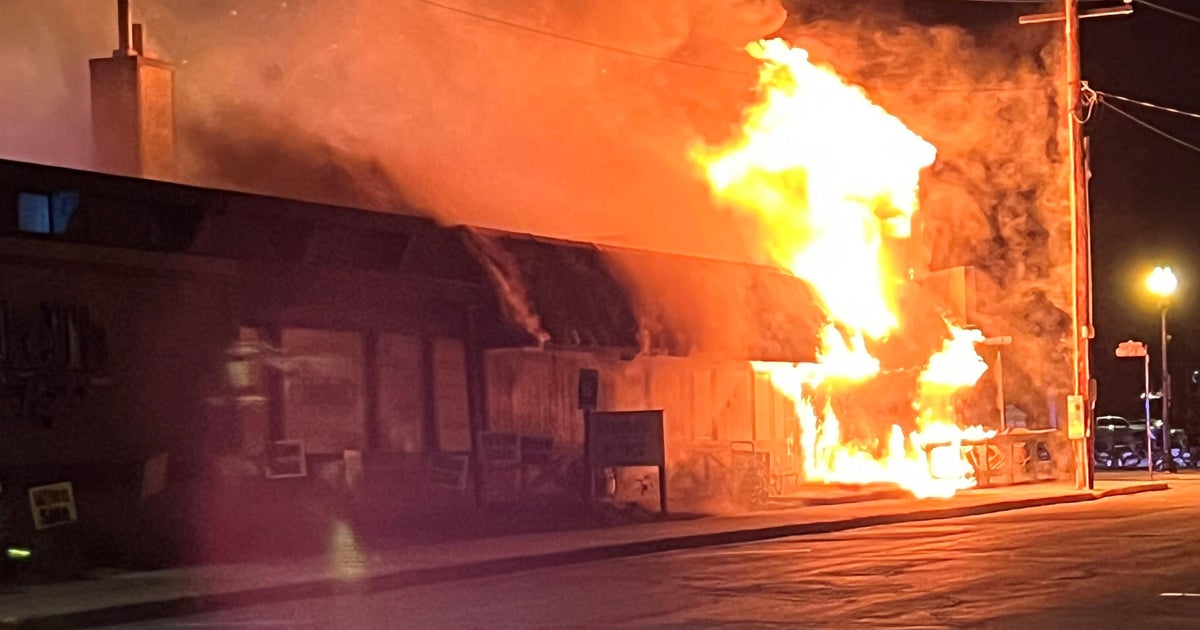
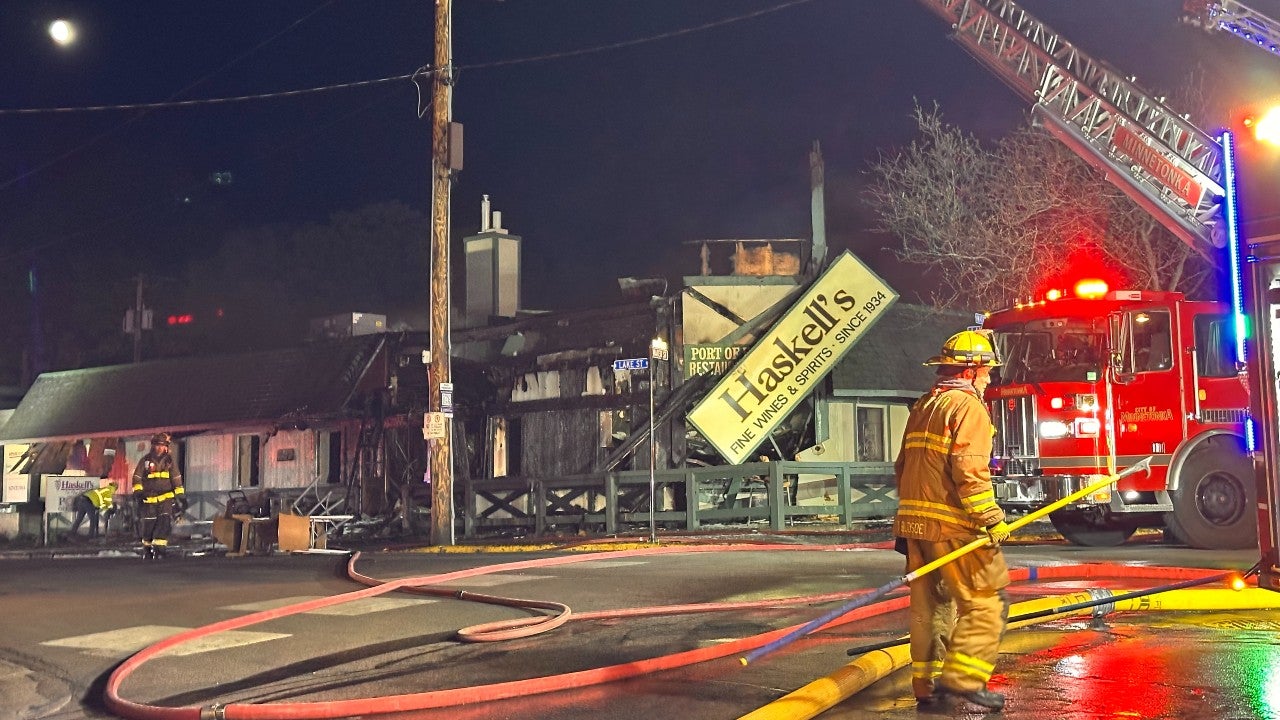
The two-alarm fire that engaged Haskell’s Port of Excelsior in the early hours of Wednesday represents a significant structural and operational disruption to a cornerstone of the Lake Minnetonka commercial ecosystem. Situated at the high-traffic intersection of Water and Lake Street, the facility functions as a multi-modal enterprise, integrating a restaurant, bar, and retail liquor store. The incident, initiated by a 911 call at approximately 1:30 a.m., necessitated an immediate, high-intensity tactical intervention to mitigate systemic asset loss.
Tactical Resource Allocation and Containment Efficiency
The escalation to a two-alarm status reflects the structural complexity of the legacy building and the proximity of adjacent commercial properties. Interim Excelsior Fire Chief Nate Basinger coordinated a multi-jurisdictional response involving five fire departments—a strategic mobilization designed to prevent lateral fire spread within the densely developed lakeside corridor. Containment was achieved within 90 minutes, a metric indicating high operational efficiency given that police units reported heavy fire activity prior to the establishment of a formal suppression perimeter. While the fire breached the roof, primary suppression efforts successfully localized the most severe structural damage to the hospitality wing.
Bifurcated Asset Analysis: Hospitality vs. Retail Inventory
The incident presents a bifurcated reality for Haskell’s ownership. The restaurant and bar—high-margin service units—suffered extensive damage during the peak summer seasonal window, representing a total cessation of hospitality revenue. Conversely, the tactical prioritization of the adjacent liquor store successfully preserved a high-value retail inventory segment. By shielding this retail unit from direct flame impingement and catastrophic smoke or water damage, responders secured the brand’s short-term liquidity, allowing for continued cash flow from retail operations while the hospitality infrastructure undergoes remediation.
Institutional Legacy and Regional Economic Impact
Haskell’s has maintained a regional presence since 1934, with the Excelsior site serving as a social and commercial anchor since the 1970s. This historical longevity affords the brand significant equity, which typically facilitates institutional support during recovery. However, the temporary loss of Haskell’s hospitality capacity creates a localized economic vacuum, potentially reducing foot traffic for neighboring Water Street businesses. As a primary destination for Lake Minnetonka visitors, the timeline for structural assessment and rebuilding will be a key indicator for the district’s short-term economic health.
Risk Mitigation and Forensic Investigation Protocols
With no injuries reported, the post-incident phase focuses exclusively on property loss and business continuity. The investigation into the fire’s origin remains active, a prerequisite for insurance adjustments and the commencement of structural repairs. Given the damage to the roof and the age of the building, any reconstruction will likely require significant capital investment to align the legacy structure with contemporary building codes. The owner’s immediate presence on-site signals a transition into a structured recovery phase, prioritizing site stabilization and the protection of remaining functional assets.